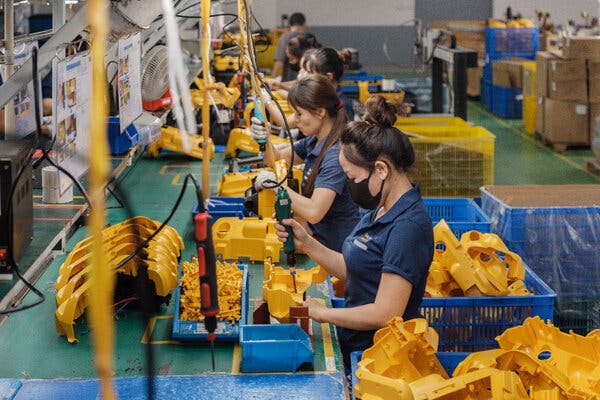
In an increasingly perilous and unpredictable environment, business leaders face rising costs that affect everything from food to electronics. The ongoing war in Iran highlights this reality, emphasizing the global challenges in maintaining stable operations.
Patricia Cohen, the global economics correspondent in London, reports that the consequences of the Iran conflict have introduced a persistent inflationary pressure on economies worldwide. Even with the cessation of hostilities, the elevated business expenses will continue. Kevin O’Marah from Zero100, a research firm focused on supply chains, notes the pressing need for diversified operational strategies across industries.
Businesses are adopting measures like alternative production sites, stockpiling reserves, and creating new supply chains to mitigate the impact of disruptions. O’Marah stresses that flexibility entails increased plant capacity, varied inventory strategies, and multiple logistical routes. However, these adaptations come with financial implications, contributing to inflation.
The International Monetary Fund recently projected a rise in global inflation, estimating rates to grow from 4.1 percent in 2025 to 4.7 percent in 2026. This forecast is largely driven by surging prices in essential sectors, including energy, metals, fertilizers, and food.
 British Prosecutors Charge Man with Terrorism Over Politician’s Murder
  Backlash Against Trump’s White House Photos
  State Department Accuses Senate Democrats of ‘Grandstanding’ Over Venezuela Oil Deal
 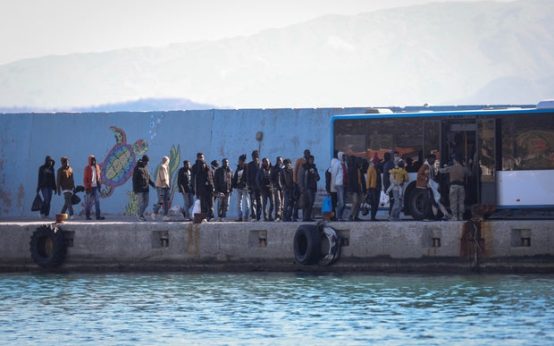 EU Plans Deportation of Rejected Asylum Seekers
  British Police Arrest Man Suspected of Terror Plot
  Activists Push for Nationwide Ban on Child Marriage in the U.S.