
The U.S. government issued an export control order on June 12, mandating Anthropic to retract its AI models, Mythos 5 and Fable 5. Authorities determined these models might facilitate attacks on U.S. critical infrastructure by adversaries. The order prohibited Anthropic from offering these models to foreign entities or nationals within the U.S.
Anthropic faced challenges in restricting model access by nationality or citizenship, prompting the withdrawal of these models from public access. Subsequently, OpenAI limited its GPT-5.6 release, fearing potential export restrictions.
“Export controls are a last resort,” said one official.
The government later allowed Mythos 5 to be accessed by select U.S. users and informed Anthropic that licensing for Mythos and Fable was no longer necessary. While Fable became publicly available, Mythos remained restricted.
The administration greenlit OpenAI’s GPT-5.6 for wider release on July 8. This act highlights the government’s influence in enforcing consumer product recalls through export control orders.
Anthropic was reportedly given a mere 90 minutes to comply, reflecting a sudden shift in regulatory power. Martin Chorzempa from the Peterson Institute voiced concerns over the unpredictability of future government actions affecting AI access.
The administration maintains the ability to re-impose licensing requirements if deemed necessary. Jessica Tillipman, from George Washington University, criticized the lack of a fair process, asserting a 90-minute ultimatum fails to resolve whether these AI models pose cybersecurity threats.
Alan Z. Rozenshtein, a law professor, suggested that the Export Control Reform Act of 2018 permits the government to enforce such measures without due process. Though there are legal questions around defining AI model access as an export, Commerce Department officials hold the power to secretly require export licenses.
The export control regime’s exclusion from the public notice and comment requirements means affected parties cannot legally challenge the government for arbitrary actions.
Such authority undermines U.S. tech companies internationally by casting doubt on their reliability as business partners. A French presidential candidate likened this authority over AI models to America’s Strait of Hormuz.
Mark MacCarthy, author of “Regulating Digital Industries” and a professor at Georgetown University, urges Congress to reform the export control statute. This reform would enforce public accountability through a transparent process and prevent the government’s arbitrary and capricious actions.
 Brazil’s Presidential Race Heads to Runoff
 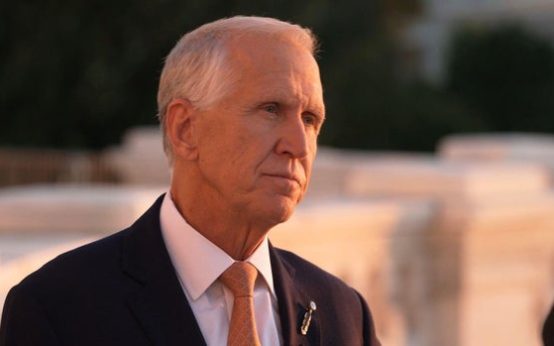 Sen. Thom Tillis Criticizes Trump’s Administration in New Book
 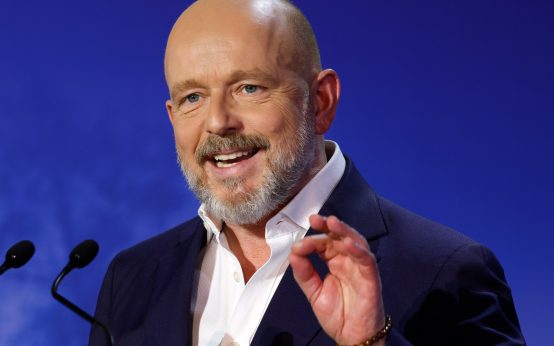 Controversy Surrounds Steve Hilton’s Campaign Ad Amid Gubernatorial Race
 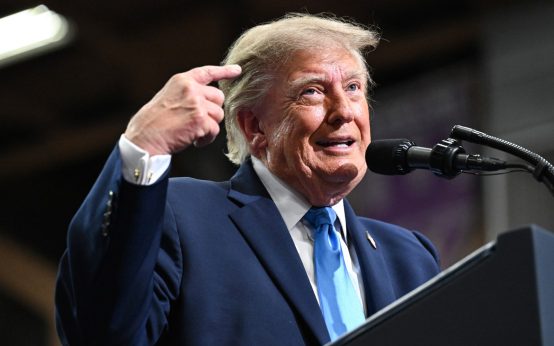 Trump Calls for Probe into Alleged ‘Paid Protesters’
 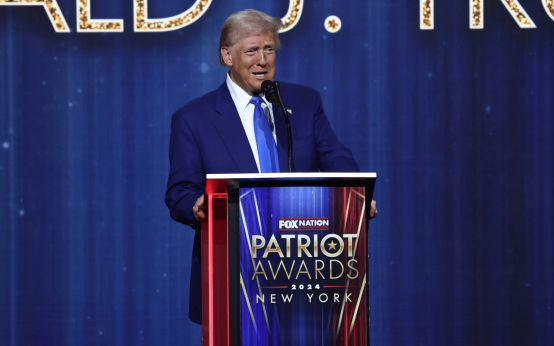 Donald Trump Criticizes Fox News for Rally Coverage
 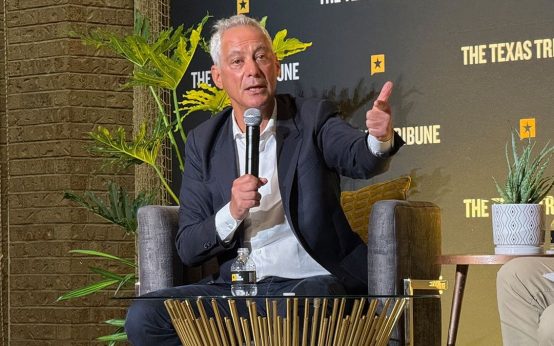 Rahm Emanuel Advises Against Impeaching Trump and Calls for Ethics Reforms