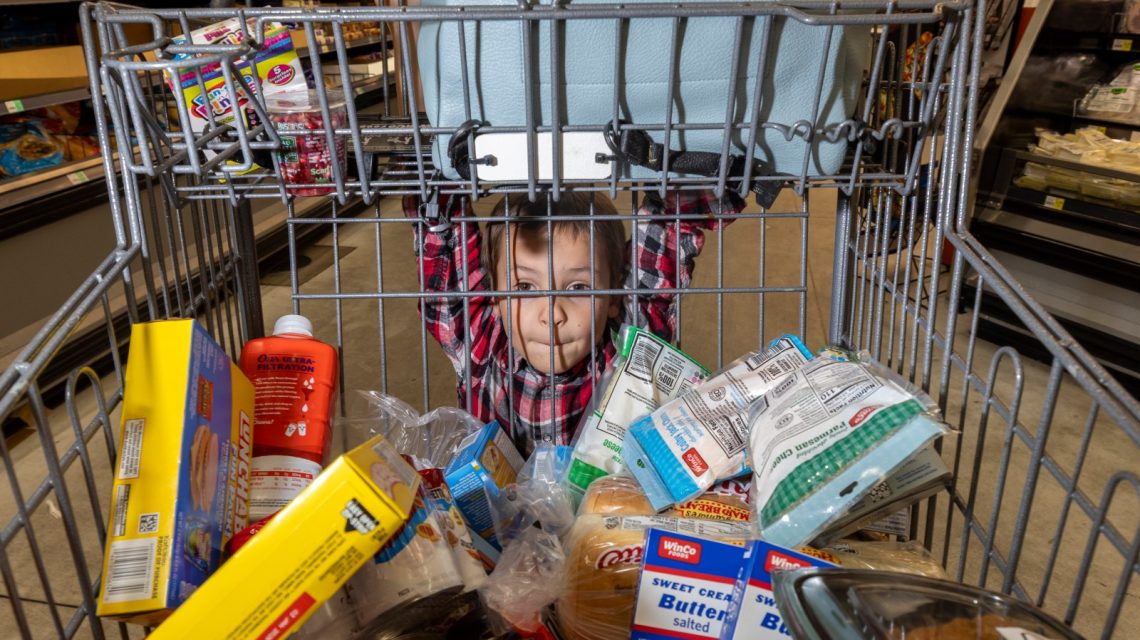
More than 1 million children in 19 states have stopped receiving Supplemental Nutrition Assistance Program (SNAP) benefits following the One Big Beautiful Bill Act (OBBBA) enacted in July 2025. This is according to an analysis by the Center on Budget and Policy Priorities (CBPP). The study comes amid a sharp nationwide decline in SNAP enrollment.
Data from the U.S. Department of Agriculture (USDA) revealed that participation in SNAP fell from about 42 million people in early 2025 to just over 37 million by April 2026. This represents a loss of approximately 5 million recipients due to significant changes under the Trump administration.
The CBPP analysis highlights that children made up a considerable portion of this decline, with over 1.06 million losing access to benefits across the 19 states reviewed. SNAP, commonly known as food stamps, offers monthly assistance to low- and no-income households to purchase groceries. It is the country’s largest food assistance program.
Total SNAP Reductions
The study disclosed that overall SNAP participation dropped by almost 2.44 million people across the 19 states, a 12 percent decline since the law’s enactment. Of these, more than 1.06 million were children, marking a 13 percent decrease in child enrollment. Children represented 44 percent of the total SNAP enrollment reductions in the states analyzed.
Texas saw the most significant decrease in both total and child participation, with 597,353 fewer recipients, 317,316 of whom were children. There, children made up 53 percent of the total participation decline. Arizona experienced the steepest percentage drop, with SNAP participation decreasing by 48 percent and child enrollment by 49 percent, resulting in 182,058 fewer children receiving benefits. Children accounted for 42 percent of Arizona’s overall reduction.
California, which has one of the largest SNAP populations in the nation, noted 333,062 fewer total participants, including 156,440 children, equating to 47 percent of its total decline. Louisiana had one of the most significant proportional reductions with SNAP enrollment decreasing by 21 percent, and child participation declining by 23 percent, with children making up 48 percent of the drop.
While various states saw steep declines, the reductions were widespread across the country. States like Alabama, Arkansas, Kansas, Maine, Michigan, Missouri, Ohio, and Pennsylvania posted overall enrollment declines ranging from 7 to 13 percent. New Jersey recorded the largest share of losses among children, with 61 percent of its overall decline attributed to children, followed by South Dakota at 57 percent, New Mexico at 56 percent, and Texas at 53 percent. Conversely, Pennsylvania reported that children accounted for only 28 percent of its total losses, along with Alabama and Maine, where children made up 29 percent of the decline.
Reasons for SNAP Decline
The plummet in participation follows several changes introduced to SNAP under the OBBBA, also known as H.R. 1, which rolled out different timelines for implementation across states after its July 4, 2025, enactment. Among the notable changes was the extension of work requirements to adults up to age 64. Able-Bodied Adults Without Dependents (ABAWDs) are now required to meet expanded employment or training requirements to retain benefits.
The legislation also revoked exemptions previously available to groups including veterans, homeless individuals, and former foster youth, integrating them into the work requirement system. Caregiver exemptions were also modified, necessitating some parents with children aged 14 and older to adhere to work or training requirements to continue receiving SNAP benefits.
A USDA spokesperson clarified to Newsweek that “SNAP is means-tested, appropriated entitlement. If a household qualifies, they receive benefits.” They further explained that households are subject to recertification, impacting the number of individuals receiving aid due to employment changes, disinterest, or alterations in household situations.
Potential for Ongoing Declines
The CBPP posits that loss of participation ties not only to recipient changes but also to modifications in SNAP funding. “The decrease largely mirrors the 2025 Republican reconciliation law’s shift of substantial SNAP benefit costs to states, based on their payment error rates,” the organization stated. Without congressional action to postpone this cost transition for all states, SNAP reductions will escalate, cutting off more children from vital food assistance.
According to the USDA, the OBBBA makes “states responsible for issuing precise benefits to eligible households.” The department stated, “Erroneous food stamp payouts exceed $27 million daily, constituting program waste and disregarding taxpayers.”
CBPP indicates that the drop in participation doesn’t correlate with economic improvements. Indicators such as consistent unemployment levels, declining real wages, persistent food insecurity in 2025, and rising grocery costs all contribute to the uncertainty over primary drivers causing SNAP reductions.
 Grudges and Forgiveness: The Impact on Mental Health
  Crackdown on Fraudulent Obamacare Enrollments
  Voice Disorders Linked to Increased Dementia Risk, Study Finds
  Understanding Misperceptions Around Sexual Violence and Intervention
  Ibogaine Treatment Travel: Americans Seeking Alternatives Despite Risks
  Study Highlights Risks of Borg Consumption on College Campuses