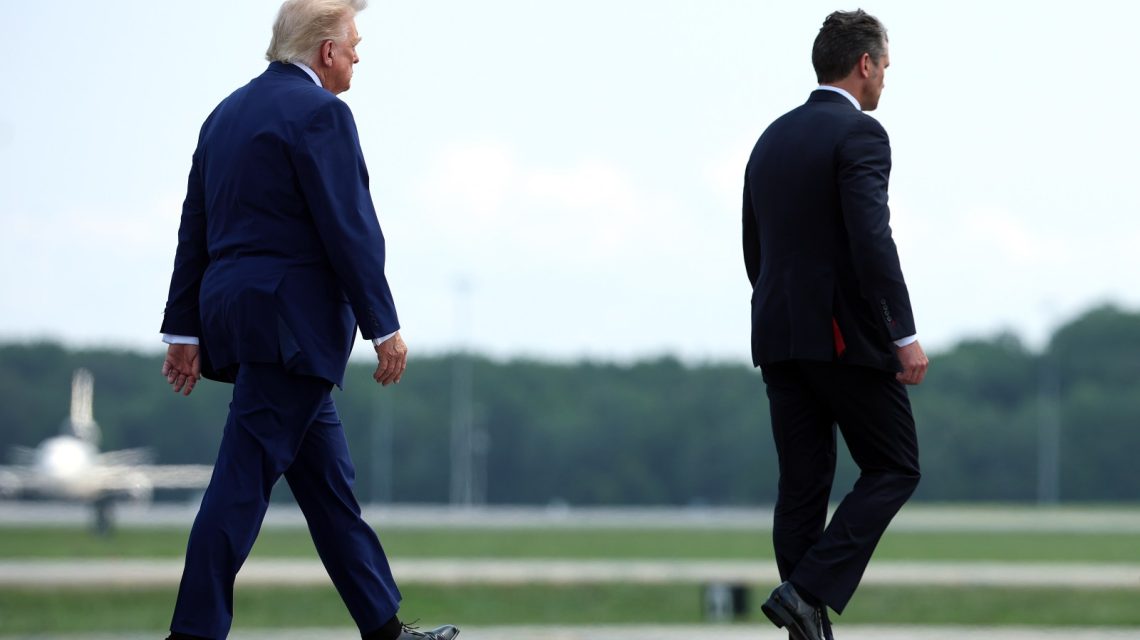
Nearly five months into the conflict with Iran, President Donald Trump faces a situation that polls show is less supported than any recent American military engagement at a similar stage. Historical survey data illustrates a unique pattern of public sentiment.
War Support Trends
Support for U.S. actions in Afghanistan and Iraq initially started high before declining over time. Conversely, the war with Iran started with low approval and has maintained this level. Gallup’s survey, taken from June 1 to 15, roughly 93 days into the conflict, showed only 34% of Americans approved of the military action against Iran. Compara-tively, 39% of Americans supported the Libya campaign, and Iraq had 60% approval at identical times in the respective engagements.
Initial Approval Comparisons
The initial approval disparity is stark. When military strikes commenced in Afghanistan in October 2001, Gallup recorded 90% approval. Similarly, the invasion of Iraq in March 2003 began with 76% approval.
A poll by Quinnipiac University in early March 2026 found 40% of registered voters supported action against Iran, with 53% opposed. An analysis by The New York Times reported that initial support from a CNN poll showed the lowest level for starting a conflict, with only 41% support.
Gallup’s review of over a dozen military engagements since the 1980s identified only two without majority approval initially, prior to Iran: Libya under President Obama at 47% and strikes on Syria in 2017 and 2018 at 50%.
Current Approval Ratings
Recent polling continues this trend. A Washington Post-Ipsos poll conducted in July found that only 29% approved of Trump’s handling of the Iran conflict. A significant 68% viewed the war as not worth fighting, while 28% said it was worth it. This 40-point approval gap mirrors the lowest sentiment reading in the Afghanistan conflict seen in 2013.
Absence of Rally Effect
Trump did not receive a ‘rally-around-the-flag’ effect commonly seen during times of conflict. George W. Bush’s approval rose significantly post-9/11 and during the Iraq invasion. Trump’s approval fell, reaching a low point for his second term during March.
Political experts like Mark Jones and Karl Rove note the absence of this rally effect in their analyses. Trump’s strong appeal over making the U.S. military a global force for good does not seem to translate into increased approval.
Lack of Approval Boost for Obama
The Libya military action similarly failed to boost Obama’s approval. His significant approval increase in 2011 was due to the killing of Osama bin Laden, not the Libya intervention.
Reasons for Unpopularity
Several factors contribute to the Iran war’s unpopularity, separating this period from earlier conflicts in 2003 and 2001:
- The Iran war was a choice, initiated with no direct trigger on U.S. soil. It began after negotiations failed, alongside coordinated strikes with Israel.
- The economy has suffered, reflected in rising gasoline prices and oil costs. Approval for Trump’s handling of the cost of living was low, at 25% in March.
Political polarization reflects stark differences in approval. Gallup found 79% Republican approval against 26% among independents and 8% among Democrats.
Scott Rasmussen characterized the negative response as unusual, when American troops are actively involved, attributing it to polarization.
War Comparisons
While the Iran conflict is unpopular, it lacks the public attention that earlier wars had. Vietnam and Iraq had substantial public focus, representing significant national concerns. Cost of living issues overshadow the current conflict.
Casualties are also much lower compared to past wars. Afghanistan led to nearly 2,500 deaths over two decades, whereas only 18 troops have died in the Iran conflict since February.
Defense Secretary’s Stance and Future Projections
Defense Secretary Pete Hegseth expressed confidence in public support during a Senate Armed Services Committee testimony. Current military operations continue, signaling a potentially extended conflict.
The military recently maintained consecutive nights of strikes, indicating firm operational progress. Observers anticipate changes in U.S. or Iranian strategies could prompt de-escalation or a sustained, unpredictable phase. Diplomatic developments are crucial moving forward.
 Sen. Cotton Opposes Permanent Daylight Saving Time
 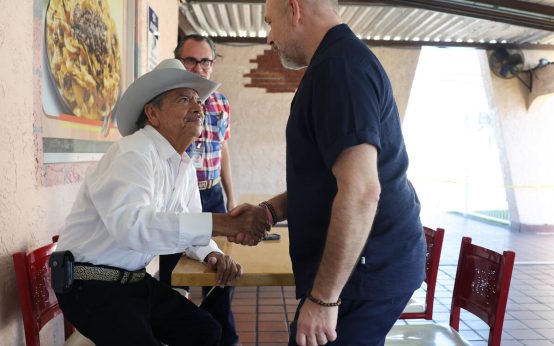 Steve Hilton’s Latino Outreach and Gubernatorial Ambitions
 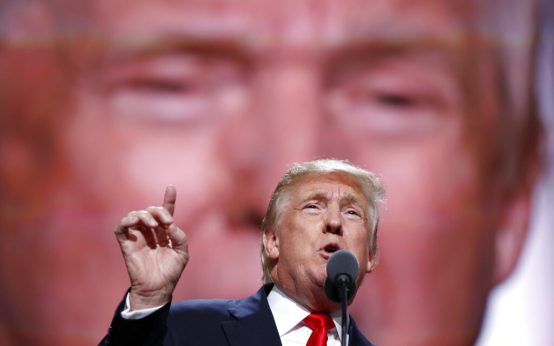 The Need for Reform in Presidential Nominations
 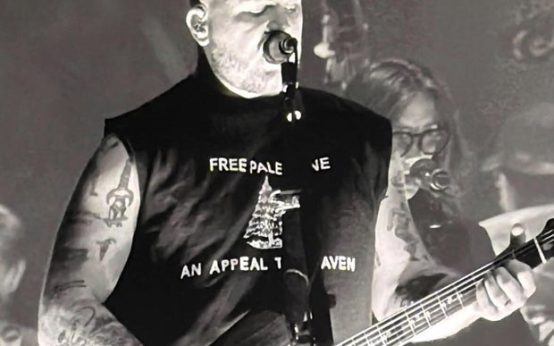 Controversy Surrounds Performances at Gillette Stadium
  Celebrity Controversies Over Political Activism and Speech
  Trump Pushes for Permanent Daylight Saving Time, Sharing Senator’s Contact Information