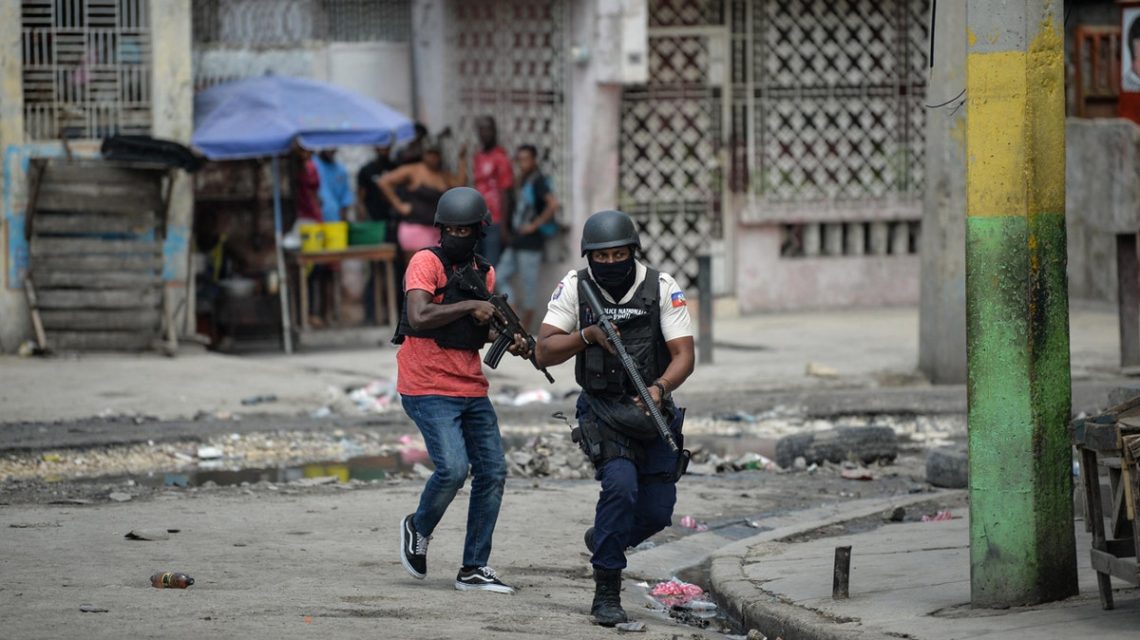
Recently, a group of U.S. House lawmakers visited Port-au-Prince, Haiti, where they witnessed the dire situation caused by gang rule following the 2021 assassination of the country’s former president. Upon arrival, they saw walls riddled with bullet holes and police officers in heavy armor.
Gang Tactics in Haiti
House Foreign Affairs Committee Chairman Brian Mast, R-Fla., described how gangs block streets with debris, making roads impassable for military and police forces. According to Mast, some areas resemble conflict zones and noted the extreme poverty in the region.
Mast led a bipartisan delegation to Venezuela and Haiti, marking the first congressional visit to either country in a decade. In Haiti, the prime minister hosted the delegation. Mast recalled that a year prior, the prime minister’s palace was akin to a war zone. However, efforts are underway to reclaim parts of Port-au-Prince from gang control.
Ongoing Gang Violence
Despite some progress due to an international coalition and a U.S. paramilitary group led by Erik Prince, gang violence remains a harsh reality. Mast recounted a video showing the brutal murder of a heavy machinery operator working with police to remove gang-created barriers. The man was tortured and killed, displaying the gangs’ ruthlessness.
Additionally, Mast shared an incident involving the kidnapping of a 6-year-old U.S. citizen by local gangs, suspecting sexual crimes against the child. The child’s release seemingly required a ransom agreement after a 46-day detainment.
U.S. Response and Future Assistance
A State Department spokesperson emphasized that the safety of Americans is a top priority but offered no further details on the case due to privacy concerns.
Mast expressed skepticism about further U.S. efforts to aid Haiti, attributing the crisis to politicians who fostered gangs for personal gain and failed to assist their nation. He suggested that returning Haitians in the U.S. under temporary protected status could bolster security forces in Haiti.
The Congressman proposed integrating able-bodied males into police and military roles, as many left during the initial implementation of TPS, weakening domestic defense against gangs.
 The Threat of Melting Glaciers: A Call to Action
  Police Discover Ancient Roman Artifacts Off Sardinian Coast
  Urgent Need for Action in East Africa’s Food Crisis
 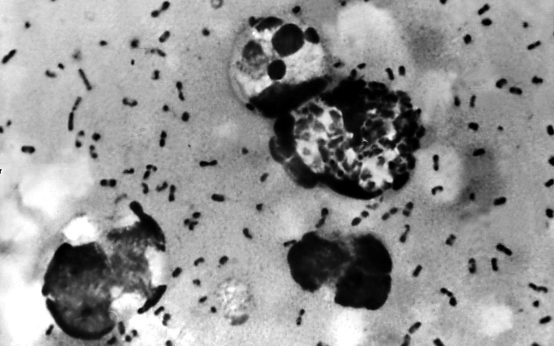 Suspected Plague Death in Siberia Sparks Health Measures
 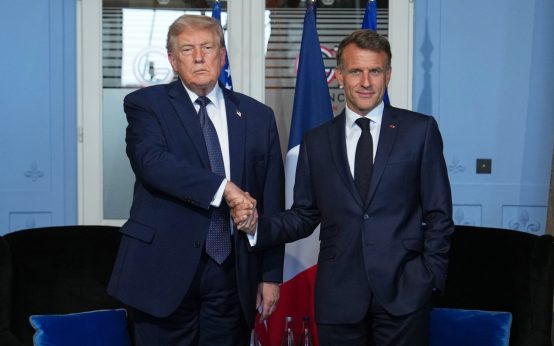 G7 Nations Agree to Release 100 Million Barrels of Oil Amid Fuel Price Surge
  Co-Pilot Attempts Hijack on Flight to Tel Aviv