
A new law in California is enhancing the state’s use of DNA technology in missing persons investigations. This development provides authorities with another method to identify unknown individuals and review unresolved cases.
Expanded Use of DNA Technology
California’s Missing Persons DNA Program, previously restricted to identifying deceased persons, now includes capabilities to identify unknown individuals who are alive. This expansion enables state forensic resources to support a broader range of investigations.
Gov. Gavin Newsom, a Democrat, signed the measure into law last month, loosening restrictions on the program. The law broadens the database’s scope, permitting the identification of living unknown individuals.
Implementation and Support
State Attorney General Rob Bonta emphasized the importance of resolving any missing person case, stating that prolonged uncertainty should not be endured by families. He highlighted California’s commitment to taking action in such circumstances, underscoring the law’s significance.
Assemblymember James Ramos, who authored the legislation, pointed out that this modernization is particularly critical given the high number of Missing and Murdered Indigenous Persons cases in the state. The changes aim to make forensic identification resources more accessible, aiding families in finding answers.
Preserving DNA Samples
The new legislation also adjusts the duration certain DNA samples may remain accessible in the state’s system. Previously, DNA from relatives of missing individuals was discarded after remains were identified. Now, samples may be retained in cases where additional related remains could potentially be uncovered.
This retention of relevant DNA samples supports ongoing identification efforts, extending the usefulness of forensic analysis.
Efforts in Cold Case Investigations
Law enforcement agencies and forensic specialists in Northern California are utilizing advanced DNA-analysis techniques in cold case examinations. The Calaveras Cold Case Task Force, established in 2020, aims to reexamine unsolved cases in the county using innovative forensic methods.
Supporters believe the law’s changes may lower barriers for investigators at the local level and offer families a greater opportunity to learn the fate of their missing loved ones.
 Colorado’s Emissions Regulation and Its Broader Implications
 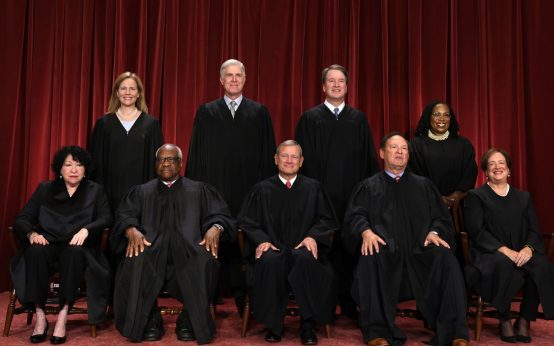 U.S. Supreme Court Tackles Key Issues in New Term
  Kane County Sheriff Ron Hain to Retire for Health Reasons
  Former Biden Administration Prosecutor Faces Criminal Investigation Referral
  Former NYPD Sergeant Pleads Guilty to Impersonating ICE Official
  Venezuelan Driver Charged with Assaulting ICE Officer in Texas