
The Trump administration’s decision to keep its new framework on government AI testing private has surprised the tech policy community. They waited months to see this controversial process finalized. The framework should outline the benchmarks and processes for testing private AI models before public release. Industry analysts hoped it would clarify the government’s role in these releases.
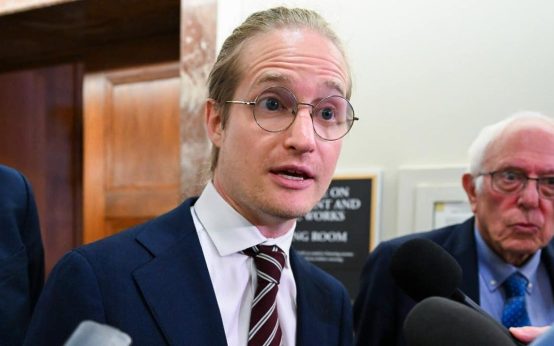
At a briefing with some of the largest frontier AI labs, attendees learned the framework would not be made public. Neil Chilson of the Abundance Institute expressed frustration, citing a lack of clarity. Representatives from Anthropic, Meta, OpenAI, and Microsoft attended. Forbes reported attendance from Nvidia and smaller companies. It remains unclear if non-attending firms will gain access.
The order requires multiple agencies to create a classified process for evaluating AI model cyber capabilities within 60 days. While benchmarks stay confidential, the order also calls for a “voluntary framework” to designate companies as “covered frontier models.” This would establish “trusted partners” with early access to new models.
The Foundation for American Innovation (FAI) has requested the framework’s release through a Freedom of Information Act request. This move highlights ongoing transparency concerns in tech regulation.
“We were hoping for clarity around what and some certainty around how the process would work, and the fact that the framework is not going to be public makes that harder to get right,” said Neil Chilson.
This news aligns with recent reports on AI developments, including efforts to manage space probe power and AI-designed viruses targeting drug-resistant bacteria. It also follows Meta’s legal issues over child safety violations and discussions on data center benefits.
The tech policy community continues to navigate these evolving regulations with a focus on securing a balanced approach to AI’s future influence.
 Challenges in Managing Advanced AI Models
  The Risky Foundations of AI’s Economic Impact
  Meta’s Muse AI Assistant Sparks Cybersecurity Concerns
  Keurig Dr Pepper Launches Compostable Coffee Pods to Reduce Waste
  Minneapolis Council Member Faces Criticism Over Autonomous Vehicle Concerns
  Washington’s Reaction to Trump’s AI Self-Regulation Accord and Technology Updates from The Hill