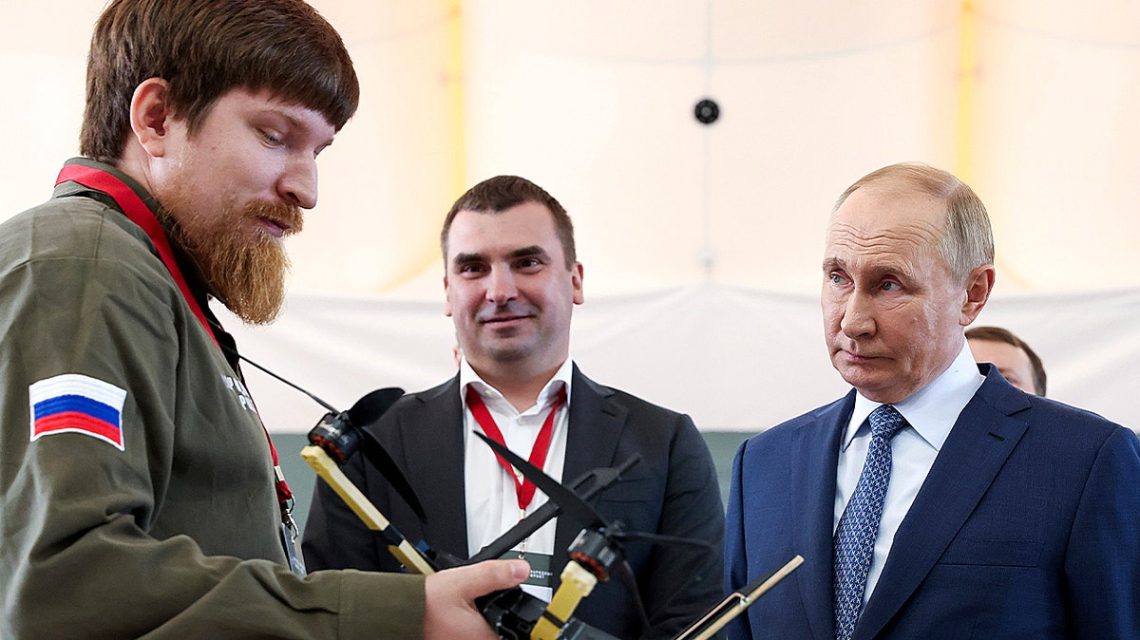
The Russia-Ukraine war is witnessing a dangerous shift as attackers increasingly target key figures in the drone technology sector. These attacks focus on executives and engineers critical to developing drone technology that is changing warfare dynamics. Industry experts have highlighted this growing threat.
On August 4, a car bombing near Yekaterinburg severely injured Vladimir Tkachuk, the head of Russian drone manufacturer Uraldronzavod, and killed his driver. Uraldronzavod produces the “Upyr” drone, actively used by Russian forces in Ukraine. Around the same time, Andrei Cherezov, another Russian drone company leader, survived an assassination attempt in Tula.
According to Cameron Chell, CEO of Draganfly, these attacks are escalating because Russia and Ukraine are vying for superiority in drone warfare. As traditional infrastructure remains hard to target, individuals behind drone innovation have become primary targets.
“When you can’t take out all the distributed infrastructure, drone manufacturing leadership becomes the primary target,” Chell stated.
The rapid evolution of drone technology, often updating every 10 to 30 days, means that targeting key personnel results in immediate disruptions on the battlefield. Such strikes can delay critical weapon programs and disrupt supply lines.
In Germany, authorities arrested two suspects linked to spying on a Bavarian drone company for Russian intelligence. This operation reportedly aimed to target the company’s executive, Stefan Thumann. These events follow reports of a disrupted plot against Rheinmetall CEO Armin Papperger.
As the conflict pushes both Ukraine and Russia toward AI and autonomous weapons systems, engineers creating these technologies have increased strategic importance. Full autonomy allows operations with enhanced speed and precision, making the developers high-value targets.
“AI and total autonomy are the big innovations for the next 18 months,” Chell remarked, pointing out Ukraine’s technological edge.
Targeting small drone firms is a low-cost, high-impact strategy for intelligence agencies. This approach is less risky than targeting large state-run programs, thus attractive for operational advantage.
Chell noted the differing approaches of Russia and Ukraine in executing these plots. While Ukraine opts for direct tactics like shootings and bombings, Russia relies on established intelligence operations reminiscent of Cold War methods.
With growing threats, the drone industry is boosting security measures. Companies are in regular contact with authorities to mitigate risks through enhanced cybersecurity and physical security protocols. Executives receive additional training to improve awareness and location safety.
Investigator Emma Bussey contributed to this report. She is the breaking news writer for Fox News Digital.
 The Complex Legacy of Jason Arday
  Tropical Storm Lala Threatens Hawaii with Hurricane Potential
  Taliban Leaders Mark Five Years in Power Amid Human Rights Crisis
  Cuba Facing Economic Siege Amid U.S. Sanctions
  Cyberattack Disrupts Small Town: The Curious Case of Suisun City
  France’s Constitutional Council Rejects Social Media Ban for Children Under 15