
The American Association of University Professors (AAUP) made history by endorsing a political candidate for the first time in its 110-year existence. On July 30, the AAUP announced its support for Abdul El-Sayed, a left-wing Democrat from Michigan. The endorsement came shortly before the Democratic primary.
El-Sayed, a prominent figure known for his progressive policies, was in the race against moderate Rep. Haley Stevens. On the Tuesday following the endorsement, El-Sayed achieved a narrow victory over Stevens.
The endorsement could have implications both politically and professionally for the AAUP. Engaging in direct political action is uncharted territory for the association, which traditionally focuses on academic freedom and faculty rights. Such a move may affect its relationships and influence in various academic circles.
Abdul El-Sayed’s campaign, furthered by the AAUP’s backing, highlighted several key issues. These included prioritizing healthcare reforms, addressing climate change, and advancing educational opportunities. His platform resonated with many voters seeking policy changes in these areas.
The decision by the AAUP reflects a willingness to extend its influence beyond academia into broader political discourse, a choice that carries both potential benefits and risks. The endorsement prompted discussions on the role of academic organizations in politics and the impact of such alliances on future elections.
 Brazil’s Presidential Race Heads to Runoff
 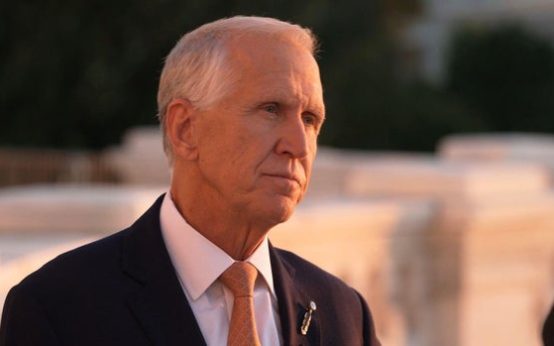 Sen. Thom Tillis Criticizes Trump’s Administration in New Book
 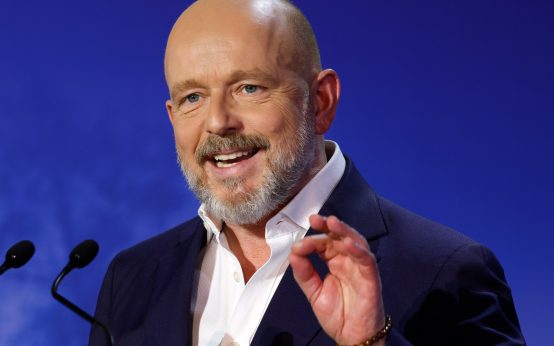 Controversy Surrounds Steve Hilton’s Campaign Ad Amid Gubernatorial Race
 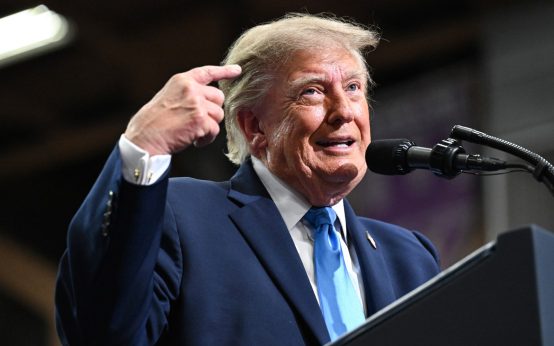 Trump Calls for Probe into Alleged ‘Paid Protesters’
  Donald Trump Criticizes Fox News for Rally Coverage
 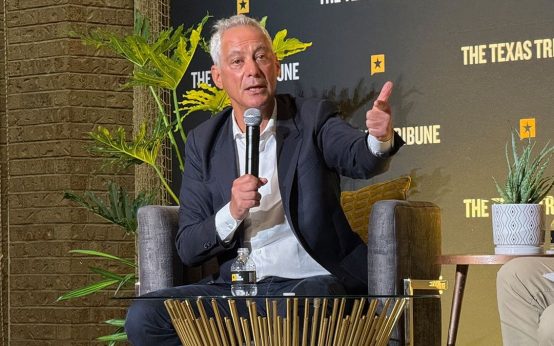 Rahm Emanuel Advises Against Impeaching Trump and Calls for Ethics Reforms