The longstanding joint military exercises between the United States and South Korea have always been a clear affirmation of America’s dedication to South Korea’s security. These exercises are a pivotal part of their defense agreement. However, recent developments have unsettled this tradition.
On Monday, President Donald Trump suggested reducing the scale of these military drills. This suggestion came mere hours before they were set to commence, shaking the defense landscape in Asia. This region already feels heightened tension as the U.S. manages its conflict with Iran.
South Korean officials are worried. Retired Lieutenant General Chun In-bum, previously head of the South Korean Special Warfare Command, expressed that the most significant beneficiaries of this decision would be North Korea and China. Their strategic interests might be better served with reduced U.S. military presence and participation in the region’s defense drills.
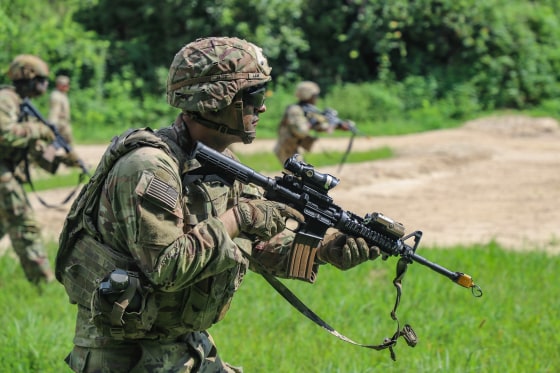
These exercises, including the prominent Ulchi Freedom Shield, typically involve comprehensive live-fire drills. Such drills demonstrate the operational capabilities of South Korean and U.S. forces, reinforcing deterrent effects against potential aggression from Pyongyang.
A live-fire exercise at the Cherokee Range in South Korea, as part of the Ulchi Freedom Shield 2025, showcases the advanced level of military readiness maintained by both nations. However, the call to scale back these exercises could alter the strategic dynamics in Asia, potentially emboldening adversaries like North Korea.
 Brazil’s Presidential Race Heads to Runoff
 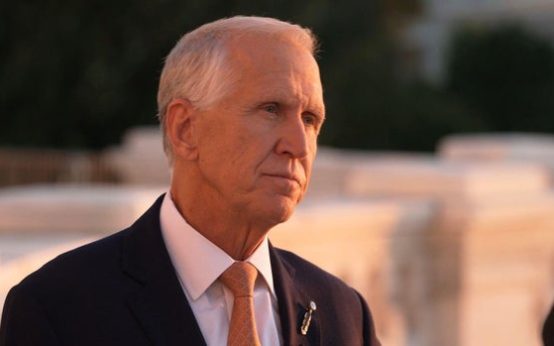 Sen. Thom Tillis Criticizes Trump’s Administration in New Book
 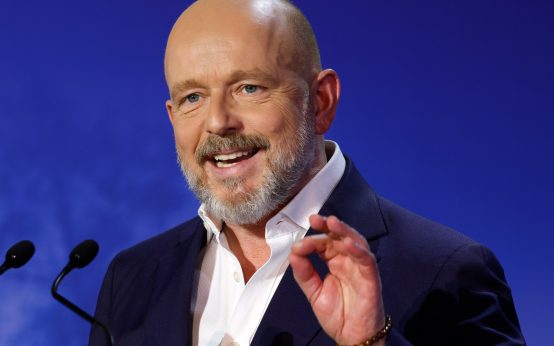 Controversy Surrounds Steve Hilton’s Campaign Ad Amid Gubernatorial Race
 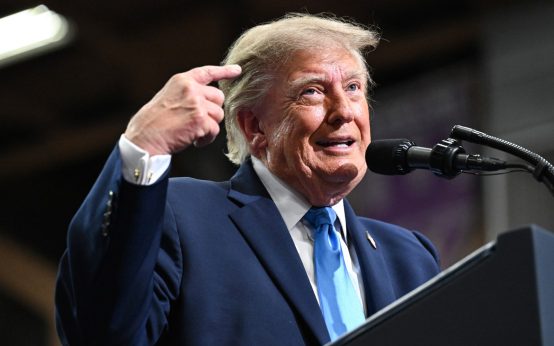 Trump Calls for Probe into Alleged ‘Paid Protesters’
 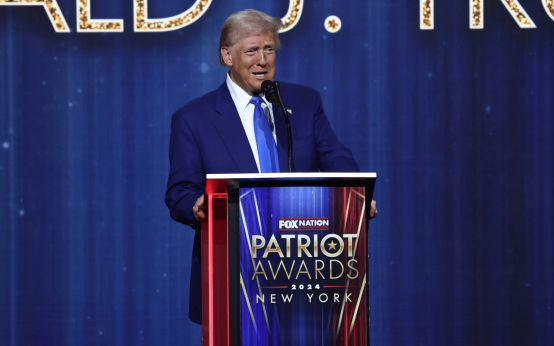 Donald Trump Criticizes Fox News for Rally Coverage
  Israeli Prime Minister Calls for Comprehensive Security Review of Civil Flights