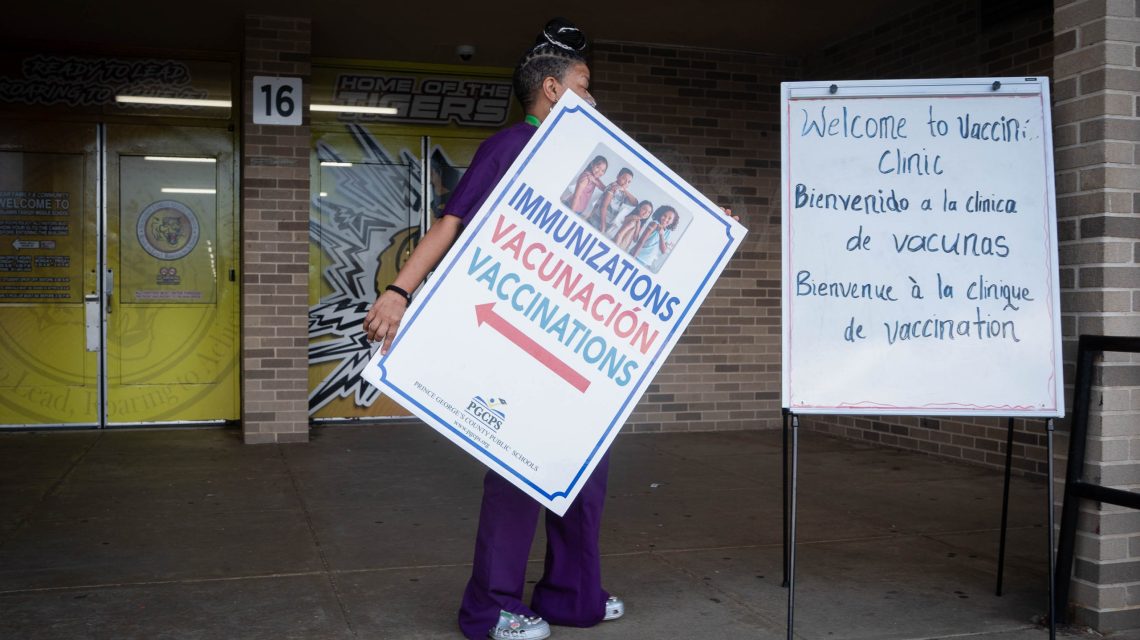
As of July 23, the Centers for Disease Control and Prevention (CDC) reported more measles cases in the U.S. than any year since 1991. In less than seven months, the number surpassed last year’s record. Measles, a potentially deadly disease, can be easily prevented. Vaccines are widely available and often free. Despite this, over 4,850 individuals have been infected since the beginning of last year, with three fatalities. Among the deceased were two unvaccinated girls from West Texas, gaining national attention.
It might seem like the increasing cases are an unavoidable trend, but dismissing the measles resurgence is dangerous. Earlier this year, I reported on global regions that became complacent with vaccine-preventable diseases. In those places, forgotten diseases re-emerged, causing severe harm to children. Even countries that made minor changes to immunization policies faced serious consequences years later. Babies were born with disabilities due to maternal rubella infections during early pregnancy. Parents witnessed why diphtheria was named the ‘strangling angel of children.’ Medical professionals explained that modern medicine could not undo the damage, such as reversing polio-induced paralysis.
My report also highlighted how Robert F. Kennedy Jr. and President Donald Trump shifted a government stance from promoting vaccines to creating doubts about their safety. Last week, the President issued another executive order likely to increase hesitancy about the measles, mumps, and rubella vaccine. This represents a significant change from the 1960s bipartisan-supported vaccination programs that protected against deadly diseases.
In response to declining immunization rates, some U.S. schools established vaccination clinics. The appearance of the measles rash across states since last year signals weakening immunity, leaving communities open to other diseases. There are concerns about vaccine accessibility: Kennedy considers changes to a crucial U.S. government program that supports vaccine availability. If modifications occur, vaccine manufacturers might withdraw from the U.S. market, making vaccines inaccessible even to willing parents. A Department of Health and Human Services spokesperson assured that vaccine access has not been restricted. Secretary Kennedy believes trust is built through open safety data reviews and transparency.
Government vaccination program veterans express concern about America’s future. They fear children may face diseases long prevented by vaccines. Dr. Melinda Wharton, who led CDC immunization for over thirty years, commented on the potentially grim scenario. Medical professionals once viewed these diseases as historical, yet unvaccinated children now face them. A German doctor lamented treating a diphtheria-affected unvaccinated boy, referring to diphtheria as ‘historical.’
In the U.S., people once considered measles a thing of the past. Now, it is not. We have documented health and vaccine policy discussions extensively. Here’s a look at previous reports illustrating this journey.
Oct. 15, 2020
Inside the Fall of the CDC
In 2020, I, with colleagues, reported on how the prime public health institution faltered due to COVID-19, presidential actions, and leadership failings. We predicted how such responses damaged public trust, influencing Kennedy’s strategies. The CDC and White House declined comments.
March 28, 2025
The CDC Buried a Measles Forecast Highlighting Vaccination Needs
During Trump’s administration, CDC leadership halted staff from releasing findings highlighting high measles risk in under-vaccinated areas. The initial communication plan underscored vaccinations for protection. An agency spokesperson mentioned the withheld information was already known and upheld vaccines as essential.
July 17, 2025
RFK Jr.’s Plans for a Pivotal Vaccine Program
Post the buried forecast revelation, I investigated RFK Jr.’s intention to revamp a critical vaccine-related program. This program, which compensates for rare vaccine side effects, might face changes prompting manufacturers to exit the U.S. market. HHS refrained from detailed responses, reiterating Kennedy’s position on safety.
March 27, 2026
Consequences of Limited Vaccine Availability
Stanford epidemiologists modeled outcomes if vaccines became scarce. Lucas Waldron’s visualization depicted the potential toll of diseases like polio and measles if vaccines vanished. ProPublica shared these insights with HHS; the department assured vaccine access continuity.
June 8, 2026
Analyzing Measles Genetics Amid Rising Cases
As measles cases surged, the CDC examined if the disease regained endemic status. My colleague Nat Lash identified challenges in proving otherwise. A CDC spokesperson noted that genetic sequences alone couldn’t determine measles’ endemic nature.
 Crackdown on Fraudulent Obamacare Enrollments
  Voice Disorders Linked to Increased Dementia Risk, Study Finds
  Understanding Misperceptions Around Sexual Violence and Intervention
 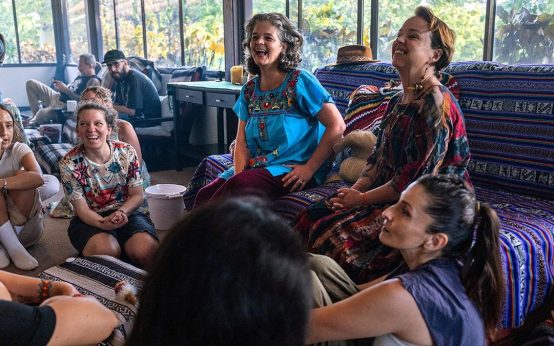 Ibogaine Treatment Travel: Americans Seeking Alternatives Despite Risks
  Study Highlights Risks of Borg Consumption on College Campuses
  The Message of Healing and Faith in ‘The Angels Among Us’