Minnesota Governor Tim Walz announced that the state will not process permits for mining projects near the Boundary Waters Canoe Area Wilderness. This decision comes four months after a federal ban on such activities was lifted by Congress and President Trump’s administration.
The Boundary Waters, spanning about 150 miles in the Superior National Forest along the Minnesota-Canada border, attracts many outdoor enthusiasts annually. Walz emphasized the need to protect this wilderness, calling it a sacred and pristine area.
Governor Walz’s executive order is temporary. Under state law, it expires 90 days after he leaves office next April. The succeeding governor could decide to maintain or change this stance. Currently, there are no projects ready to commence. However, Twin Metals Minnesota LLC, a subsidiary of Antofagasta Minerals from Chile, has been aiming to mine in the national forest since 2019. The company claims it can prevent surface waste rock, which poses pollution risks to the nearby canoe area.
Previously, in April, President Trump signed a bill overturning a federal moratorium on mining in this forest. He argued that it would generate jobs and promote the mining sector.
Walz’s order specifies that Minnesota regulators will avoid involvement as cooperating agencies in federal environmental reviews within the Rainy River Headwaters Watershed, linked to Boundary Waters. The state will also refrain from conducting separate environmental assessments or permit processes amid ongoing legal disputes over mining regulations.
Moreover, Walz has tasked the Department of Natural Resources with crafting legislation to ban nonferrous mining in the Rainy River watershed.
This decision sparked mixed reactions. Republican U.S. Rep. Pete Stauber condemned Walz, labeling it an attack on Northern Minnesota’s lifestyle. On the other hand, Becky Rom, chairperson of Save the Boundary Waters, commended the governor. She emphasized the incompatibility of copper mining with the environmental integrity of the Boundary Waters.
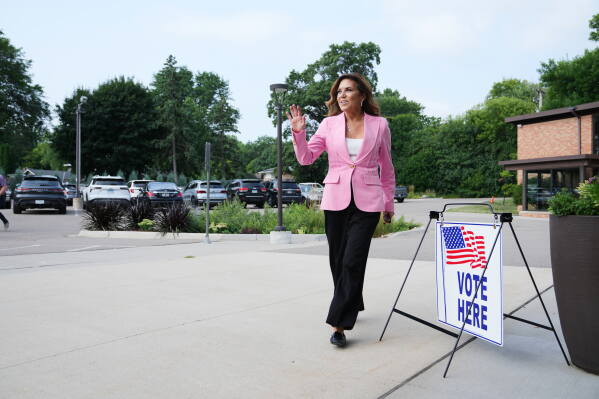
There was no immediate response from Sen. Amy Klobuchar, the Democratic gubernatorial nominee. The Republican nominee, Lisa Demuth, expressed her belief in the feasibility of safe mining, referencing the widespread reliance on these minerals.
James Coleman, a University of Minnesota law professor, noted that Walz’s order introduces uncertainty to potential projects. Since these projects often require both federal and state approvals, the changing political landscape could affect their progression.
 Phil Collins Criticizes Trump, Talks Unwritten Song about America
  Byron Donalds Targets Black Voters in Florida Governor Race
  Brazil’s Presidential Race Heads to Runoff
  Sen. Thom Tillis Criticizes Trump’s Administration in New Book
  Controversy Surrounds Steve Hilton’s Campaign Ad Amid Gubernatorial Race
  Trump Calls for Probe into Alleged ‘Paid Protesters’