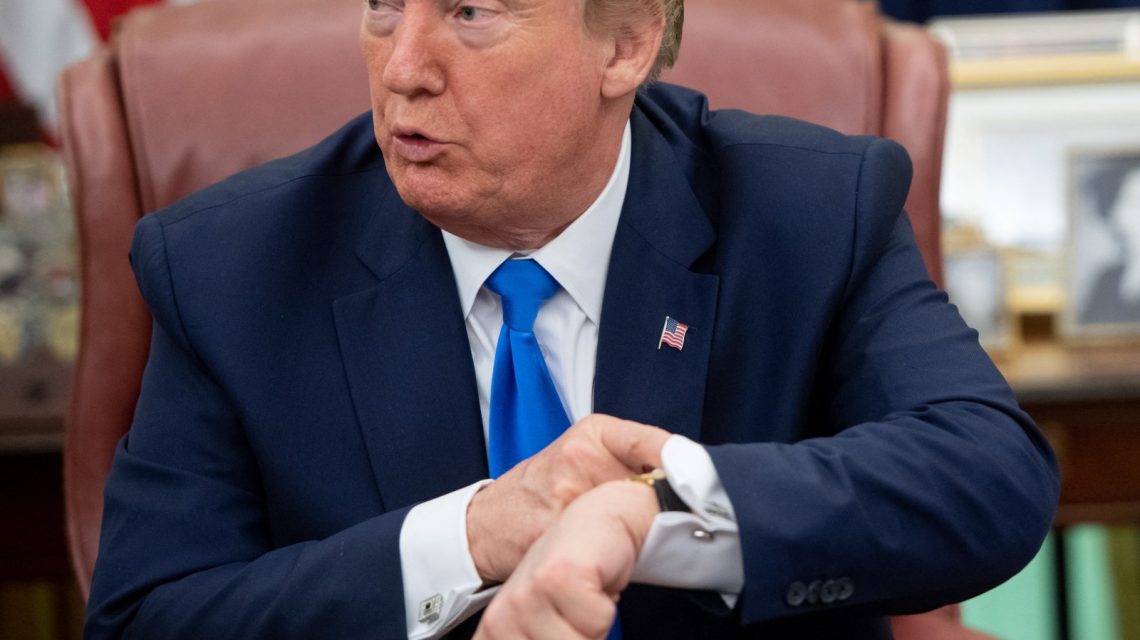
Americans are less than two months from turning clocks back, yet President Donald Trump’s recent push to make Daylight Saving Time permanent may mean this year’s switch could be the last.
On November 1, most Americans will set clocks back an hour as Standard Time resumes. Trump has urged lawmakers to end the twice-yearly clock changes, aiming to revive this stalled debate.
Trump’s Position on Daylight Saving Time
Trump has called for legislation making Daylight Saving Time permanent. If enacted, no more adjusting clocks in spring and fall. Proponents say later sunsets boost businesses, recreation, and outdoor activities. Critics argue that darker winter mornings might affect sleep, health, and safety.
In a Truth Social post in April, Trump urged lawmakers to advocate for more daylight in the evening, labeling the clock change as costly. By May, his commitment to the Sunshine Protection Act spotlighted the issue as Americans faced another clock change.
Upcoming Clock Change
Changes won’t affect the November 1 clock switch at 2 a.m. local time. Without legislation, most states will revert to Standard Time through winter. Permanent implementation would need planning, with a future start date.
The winter solstice highlights daylight timing fluctuations. In the current system, on November 1, sunrises occur at 6:55 a.m. in Los Angeles, 7:15 a.m. in Chicago, and 7:17 a.m. in New York City. Permanent Daylight Saving Time critics argue that sunrises would occur even later, affecting school children and morning commuters. The evening sunsets would occur an hour later.
Legislative Prospects
Despite White House interest, quick congressional action seems unlikely. Traders on Kalshi predict a mere 15 percent chance that legislation will pass by January 1, 2027. Longer-term expectations increase, yet remain uncertain, not surpassing a 50 percent chance by 2029.
Public Opinion
Public sentiment favors ending clock changes. A February YouGov survey found 64 percent of Americans advocate for eliminating clock changes, while 16 percent oppose it. When asked to choose between systems without clock changes, 43 percent preferred permanent Daylight Saving Time, and 28 percent chose permanent Standard Time.
Support cuts across party lines, gaining traction among Democrats, independents, and Republicans. David Prerau, a Daylight Saving Time expert, notes potential negatives, such as dark mornings affecting safety and routine.
Debate Over Permanent Change
Americans desire change, yet experts disagree on the right system. Permanent Daylight Saving Time proponents cite economic benefits and extended daylight, while circadian-rhythm experts support Standard Time as healthier, aligning closer to natural sleep-wake cycles.
 Sen. Cotton Opposes Permanent Daylight Saving Time
  Steve Hilton’s Latino Outreach and Gubernatorial Ambitions
  The Need for Reform in Presidential Nominations
  Controversy Surrounds Performances at Gillette Stadium
  Celebrity Controversies Over Political Activism and Speech
 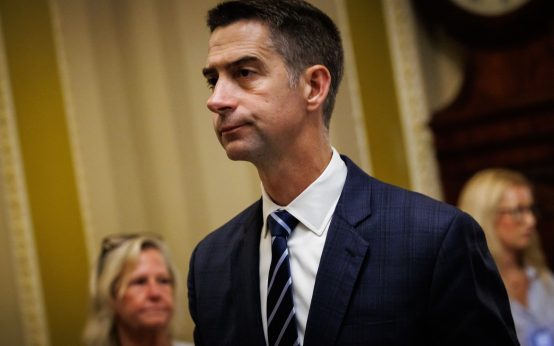 Trump Pushes for Permanent Daylight Saving Time, Sharing Senator’s Contact Information