Massive Losses and Destruction
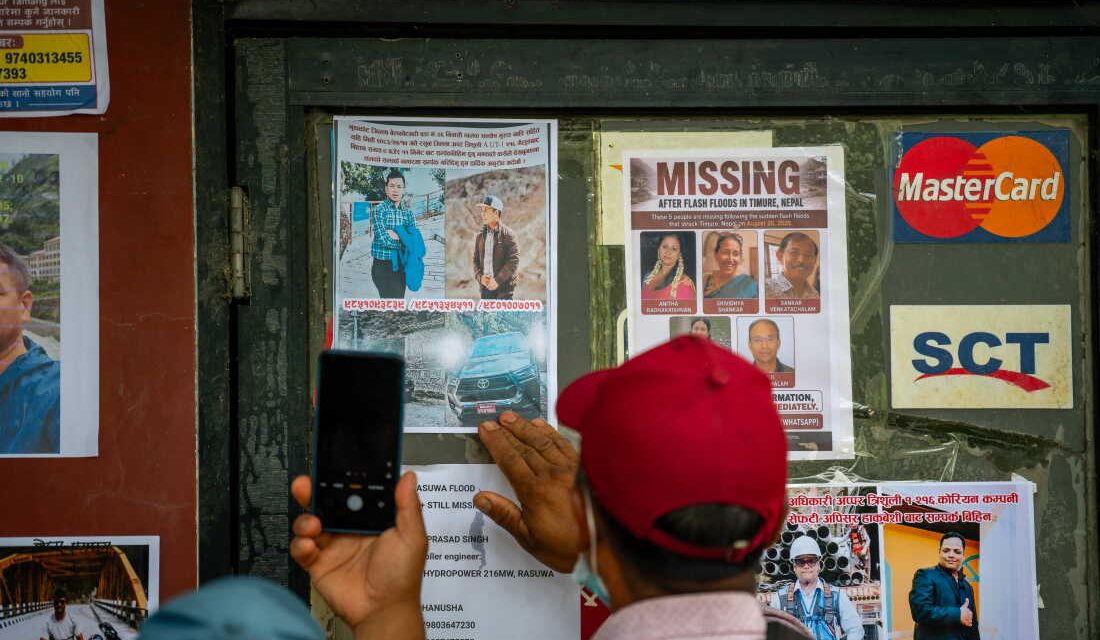
More than 5,600 individuals remain unaccounted for following the catastrophic flash floods in Nepal. A grim display of photographs in Devighat stands as a testament to those missing. Shushma Bhusal of the International Federation of Red Cross and Red Crescent Societies relays the devastation in Bidur municipality, once a vibrant community. The region, populated by approximately 60,000 residents, has suffered extensive damage. Homes and businesses positioned along the Trishuli River have been washed away. Bhusal observes the obliteration brought on by the flood.
Infrastructure Collapse and Health Crisis
Central to Bidur before the disaster was Trishuli hospital, now inaccessible due to a destroyed bridge, doubling the challenges for those seeking medical aid. The facility was crucial for residents and its inaccessibility means locals face significant obstacles in receiving health services. Travel now involves a nearly ten-hour journey instead of a swift ten-minute crossing. Bhusal highlights the impediments to accessing healthcare given the circumstances.
Authorities report a death toll of at least 1,200 in Nepal and neighboring Tibet due to the floods. Damage extends to multiple hospitals and health centers, as stated by Allison Gocotano from the World Health Organization. Although some facilities remain operational, road blockages hinder access. Electricity disruptions further complicate efforts to deliver medical services. Pregnant women with impending delivery dates face mounting concerns over disrupted care.
Urgent Health and Safety Needs
UNICEF, involved in setting up medical tents, aims to ensure basic care with distributed hygiene kits and mosquito protection bed nets, assisting 19,000 people. Those with chronic conditions require attention as medication shortages exacerbate health issues. Displacement leaves these individuals vulnerable, according to health care experts.
The contaminated water sources heighten worries about potential outbreaks of waterborne diseases such as cholera. Technical staff from the Ministry of Health have increased surveillance to prevent disease spread. Simkhada alerts to the potential epidemic risks posed by these conditions.
Mental Health Crisis Amid Devastation
Beyond the physical toll, the floods have triggered profound emotional distress among survivors. Reports indicate that 2,500 to 3,000 individuals reside in temporary shelters, all bearing the weight of loss. Ayush Joshi from Save the Children recounts senior citizens and children holding onto hope as helicopters search for survivors. Their optimism persists despite the harrowing circumstances.
Joshi shares poignant interactions with evacuees, including a young girl unable to sleep after witnessing friends being swept away. On-site mental health support strives to address psychological needs, yet Joshi notes that such efforts are frequently deprioritized. A more sustained focus on mental health care is essential.
“The dead are gone, I am the one alive,”
states a woman rescued by helicopter, encapsulating the emotional struggle many survivors face. Both UNICEF and Save the Children advocate for ongoing mental support to mitigate persistent trauma. Efforts must extend beyond immediate relief to facilitate long-term recovery for those affected.
 The Threat of Melting Glaciers: A Call to Action
 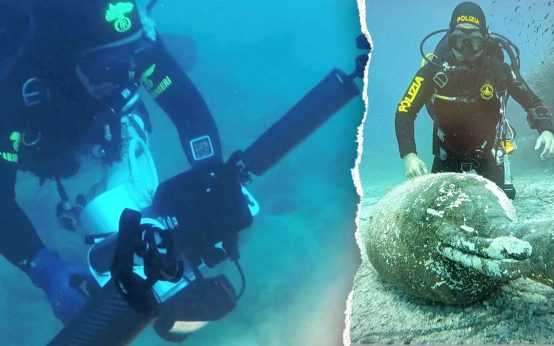 Police Discover Ancient Roman Artifacts Off Sardinian Coast
 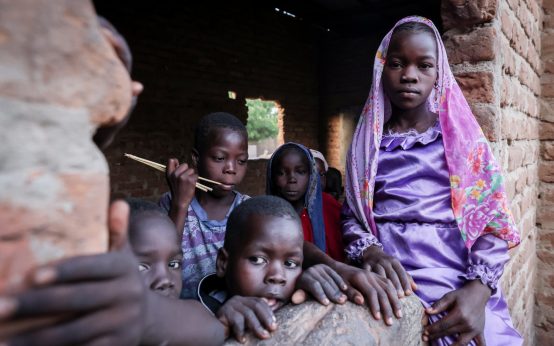 Urgent Need for Action in East Africa’s Food Crisis
 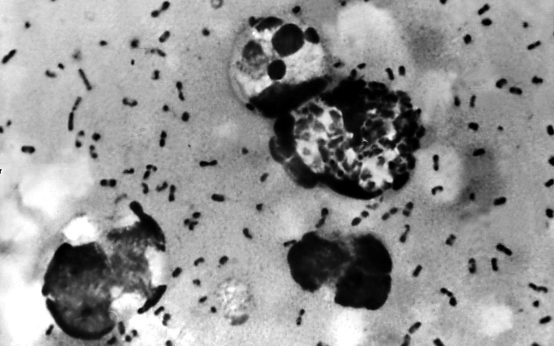 Suspected Plague Death in Siberia Sparks Health Measures
  G7 Nations Agree to Release 100 Million Barrels of Oil Amid Fuel Price Surge
  Co-Pilot Attempts Hijack on Flight to Tel Aviv