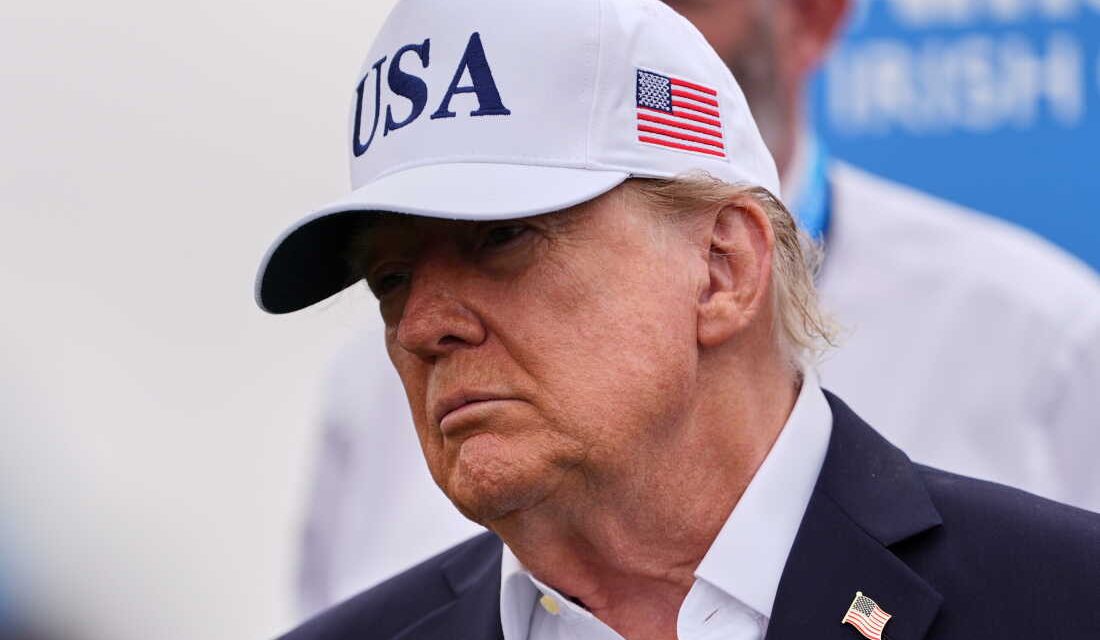
On September 13, 2026, U.S. President Donald Trump attended the Irish Open golf tournament at Trump International Golf Links in Doonbeg, Ireland. In a discussion with reporters at the event, President Trump addressed concerns about artificial intelligence (AI) becoming uncontrollable.
President Trump dismissed warnings from tech industry leaders who suggested slowing down AI development. He stated that such warnings were exaggerated by unspecified “negative forces.” Trump emphasized the importance of maintaining U.S. leadership in AI, given its strategic significance. He stated, “We’re leading China in AI, we’re the most sophisticated country in the world, and frankly, I want to keep it that way because whoever wins AI, wins.” He acknowledged the need for measures like guardrails but questioned the motives behind raising alarms.
House Speaker Mike Johnson also expressed skepticism about pausing AI progress. On CNN’s State of the Union, Johnson warned that a halt in AI development could allow China to surpass the U.S. He advocated for tech companies to prioritize AI safety without legislative interference, stating, “We need balance and steady hands at the wheel.”
Their perspectives counter recent warnings from Anthropic CEO Dario Amodei. Amodei had called for reduced speed in enhancing AI capabilities to avoid potential loss of control and misuse in cyberattacks and bioterrorism. He advocated for international cooperation and independent evaluations of AI safety, stating that Anthropic would implement these measures unilaterally.
Tech leaders Elon Musk and OpenAI CEO Sam Altman supported Amodei’s concerns. Altman informed Fortune Magazine of OpenAI’s decision to delay going public until at least 2027 due to safety issues. He indicated they might pause technology tests to improve security.
David Sacks, co-chair of the President’s Council of Advisors on Science and Technology, urged tech companies to act responsibly and independently, acknowledging the potential for liability if their products are misused in significant cyberattacks. He underscored that motivations to slow AI development are not solely altruistic, as leaders face exposure to product-liability risks.
NPR’s Shannon Bond contributed additional insights to this story.
 Defense Secretary Emerges as Key Player in the Trump Administration
 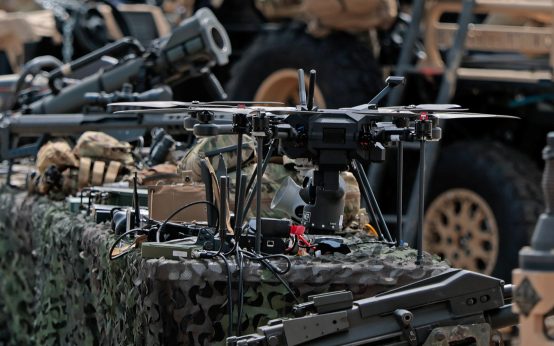 Hegseth’s Vision for the Military: Balancing Tradition and Innovation
 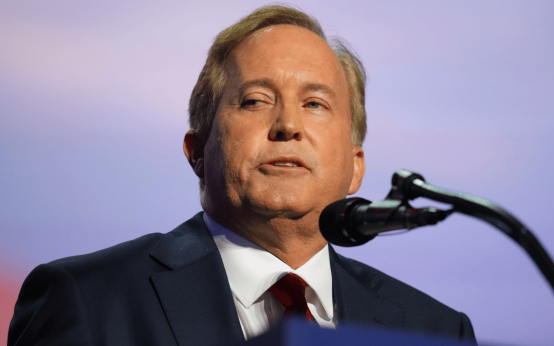 Significant Funding Boosts Ken Paxton’s Texas Senate Campaign Amid Tight Race
 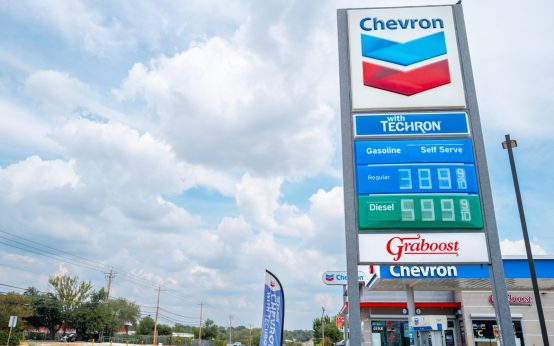 U.S. States Extend Gas Tax Waivers Amid Rising Fuel Costs Due to Iran Conflict
  USCIS Raises Immigration Fees
  The Surveillance Threat to U.S. Federal Agents