
Over 70 lawmakers from North America and South America, including figures from the U.S., Canada, and Colombia, have called for the Trump administration to halt its lethal campaign targeting alleged drug-smuggling vessels in the Caribbean and Eastern Pacific. These actions are described as extrajudicial killings at sea.
The rights to life, due process, and protections against arbitrary force are vital democratic principles. Allegations of drug trafficking do not justify lethal force against those who pose no immediate threat, according to the lawmakers’ statement released Tuesday.
Since September 2025, the U.S. military has conducted strikes against suspected drug-smuggling boats, resulting in the deaths of over 220 individuals labeled as ‘narco-terrorists.’ Human rights activists and legal experts have criticized these actions as violations of international law.
Trump administration officials assert that the strikes are part of efforts to reduce the flow of illegal drugs and dismantle drug networks in the Western Hemisphere. However, they have not provided proof that the targeted fast boats contained drugs.
The U.S. military has executed at least 70 strikes on both sides of South America, contributing to the death toll of 234 individuals since the campaign’s inception on September 2, 2025.
The lawmakers expressed concerns about potential involvement of other governments in these operations, noting that international law holds states accountable for aiding internationally wrongful acts.
The White House did not respond to inquiries for comment from The Hill.
Ben Saul, a U.N. human rights expert, described the lethal strikes as potential ‘crimes against humanity’ and violations of international law.
Citing international law, Saul emphasized the lack of a right to self-defense against criminal groups labeled as terrorist organizations, unless they have mounted an ‘armed attack’ on the United States.
Recently, U.S. forces have focused on larger fishing boats in the Eastern Pacific, which they claim serve as ‘floating refueling stations.’ Instead of destroying these larger vessels with occupants onboard, the military plans to remove crews before any strikes.
Effective international cooperation against drug trafficking and organized crime must be rooted in international law. It requires respecting human rights, ensuring accountability, addressing corruption, and implementing democratic oversight, according to the lawmakers’ statement.
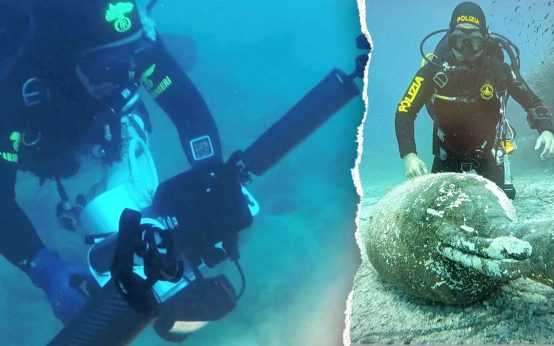 Police Discover Ancient Roman Artifacts Off Sardinian Coast
  Urgent Need for Action in East Africa’s Food Crisis
  Suspected Plague Death in Siberia Sparks Health Measures
 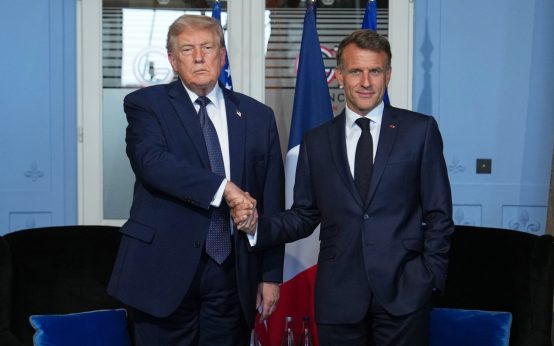 G7 Nations Agree to Release 100 Million Barrels of Oil Amid Fuel Price Surge
  Co-Pilot Attempts Hijack on Flight to Tel Aviv
 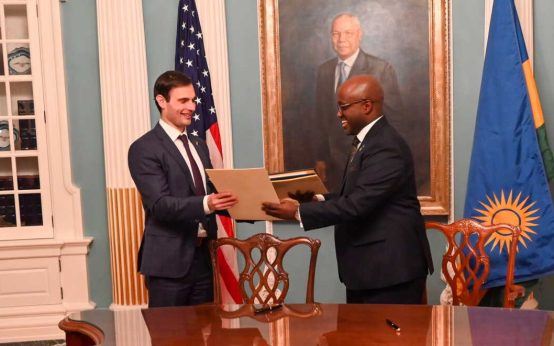 U.S. Revises Global Health Aid with New Strategy