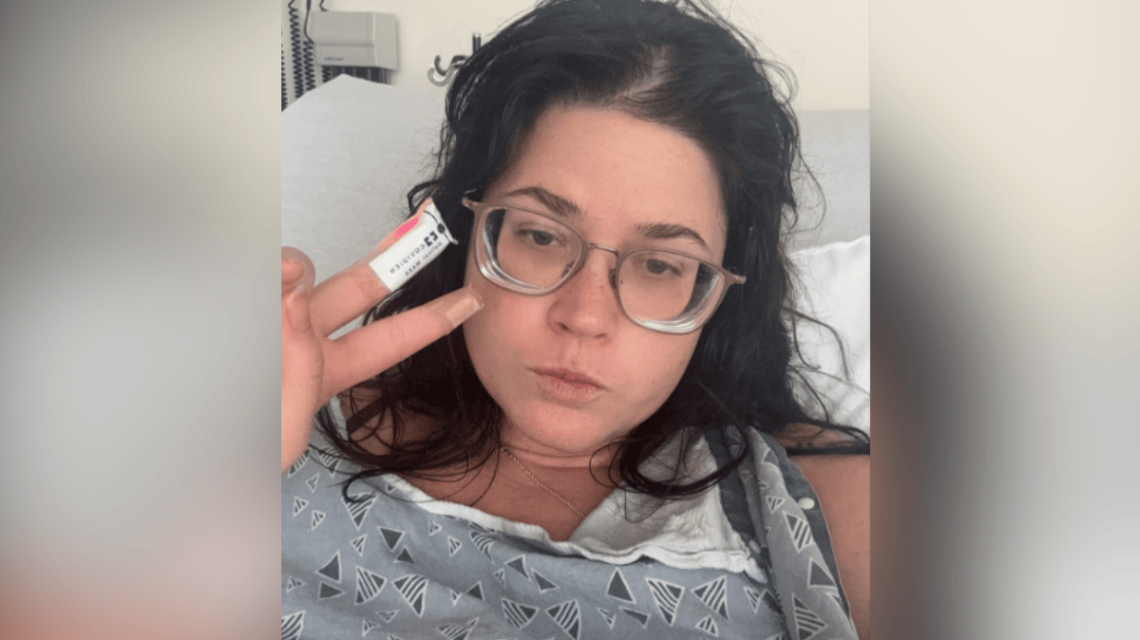
Destiny Amos from Jacksonville, Florida, initially attributed her dizzy spells and brain fog to low blood sugar. However, a CT scan revealed something unexpected. The scan showed a suspected meningioma measuring about 3 cm, located in the posterior fossa area of her brain, pressing against the cerebellum and causing mild mass effect.
Amos recalled her symptoms worsening around June. She experienced dizziness, a sensation of swaying, constant brain fog, and numbness on the left side of her face. She felt unusually anxious, sensing something was wrong in her body.
One night, Amos woke up disoriented, unable to recognize her surroundings. She was extremely dizzy, nauseous, and felt her heart racing. Her mother called 911, and she was taken to the ER. Amos mentioned previous blood sugar issues to her doctor, which led to both abdominal and brain CT scans.
The scan detected the meningioma, a common type of primary brain tumor in adults, accounting for 33-40% of cases in the U.S. Though usually noncancerous, they more frequently affect women. Meningiomas originate from the meninges, tissues covering the brain and spinal cord, rather than the brain itself.
After the scan, Amos was transferred to a larger hospital for an MRI for a clearer view of the tumor. She stayed in the hospital for a month before undergoing surgery. Reflecting on her diagnosis, Amos expressed feeling shocked and scared yet relieved to find an explanation for her long-term symptoms.
She had earlier been told her symptoms were due to anxiety, low iron, or thyroid issues. Extreme fatigue, blurry vision, heat intolerance, brain fog, and clumsiness were frequent. Amos learned that a tumor near the cerebellum could affect coordination and balance and might explain her neurological symptoms.
Amos underwent surgery on August 24, which successfully removed the tumor. A biopsy confirmed it was benign. Post-surgery, her recovery has been gradual, with periods of progress and setbacks, experiencing challenges with concentration, memory, and nerve pain. Doctors anticipate she will feel more like herself in three months.
Amos noted that the experience was rapid and overwhelming, leading to emotional moments. However, connecting with others who faced brain surgery has been reassuring. She hopes her story provides comfort to others facing similar challenges.
 Early Detection of Atherosclerosis and Heart Disease Prevention
  The Measure of Friendship
  A Honeymoon Safari Turns Into a Fight for Survival
  Church Attendance Linked to Increased Sexual Satisfaction for Married Couples
  Dining with Loved Ones May Benefit Blood Sugar Levels
  Urgent Need for Action in East Africa’s Food Crisis