NATO’s air defenses were put into action on Saturday when two jet-powered drones entered its airspace over the Black Sea. Romanian F-16s swiftly intercepted and neutralized these drones using Sidewinder missiles. This incident reflects a growing trend among NATO’s eastern members. In recent months, similar actions have taken place in Lithuania and Estonia to counter unauthorized drone entries.
The Growing Threat
As the wars in Ukraine, the Middle East, and Sudan have shown, drones equipped with explosives can inflict significant damage, posing a challenge to even the most advanced air defenses. The economic implications of deploying costly fighter jets and missiles against inexpensive drones add an extra layer of complexity for NATO members, who are already grappling with economic pressures at home.
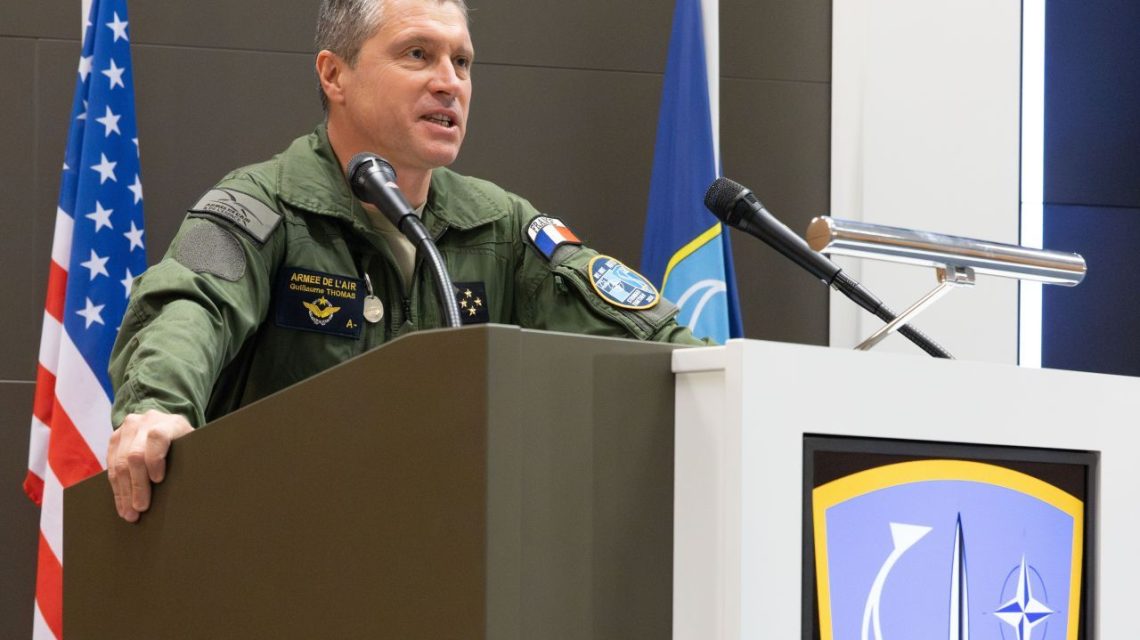
“If there is a risk for the population or civilian infrastructure, we do not hesitate to use fighter jets to shoot down drones,” said Lieutenant General Guillaume Thomas, deputy commander of NATO Allied Air Command.
Colonel Fredi Karu, Estonia’s Air Force Chief of Staff, reaffirmed the necessity of air defense to protect vital infrastructure. With many NATO countries increasing defense budgets, the balance between cost and necessity remains manageable for the moment.
Interceptions and Strain
Multiple unauthorized drone incursions have accelerated the need for a strategic rethink. Romania, for instance, recorded 35 drone incidents by 2026, reflecting a sharp rise from just nine the previous year. Similar incidents have occurred in the Baltic states and Poland.
To address this, NATO launched Operation Eastern Sentry, enhancing its air defense capabilities with additional fighters, surveillance aircraft, and ground systems. The longstanding air-policing mission has evolved into a comprehensive defense posture.
Complexity in Command and Control
NATO’s air defense command faces increasing complexity. A radar detecting an incoming object must quickly determine its nature, appropriate response unit, and most efficient weapon. As the number of drones increases, so does the challenge of managing varied defenses and responding swiftly.
“Our biggest challenge is adapting the command and control system to handle mass drone threats,” Thomas emphasized.
Collaborating with Eastern Allies
Baltic nations like Estonia, with direct borders with Russia, prioritize rapid detection and identification of potential threats. Their extensive radar and surveillance systems are integral in updating NATO’s Eastern airspace defense picture.
Lithuania explores the integration of the SkyFortress system—a network designed to track low-flying drones and missiles—to bolster early warning. Commanders continually refine operations to stay ahead of evolving threats.
In Latvia, exercises are testing the interoperability of NATO-developed systems, ensuring they function as unified networks.
Sustainable Defense and Innovation
Massive drone deployments, as seen in Ukraine, challenge defense boundaries. Producing effective countermeasures rapidly is crucial. Current initiatives like NATO Front Door and NATO Engine aim to boost production and streamline procurement.
Operational Tactics for Immediate Solutions
Interim solutions, such as adapting cheap jet trainers like the L-39 Skyfox for defense roles, offer a cost-effective way to counteract frequent drone threats. These efforts, combined with advanced tech and command systems, form a multi-faceted defense strategy.
Beyond Defense
“A defensive stance alone isn’t sufficient. Disruption of the threat sources is equally critical,” Dawson noted.
Rigorous defensive measures alone do not guarantee complete interception of threats. The necessity to strike at the root—production, logistics, launch systems—calls for careful calculation of intervention strategies.
The Gulf states’ inability to protect against Iranian missile assaults highlights this risk, emphasizing the importance of proactive and adaptive defense frameworks.
“NATO’s public must recognize that the same threats seen against others could occur here,” Dawson warned.
Despite these challenges, Thomas maintains a positive outlook.
“It’s demanding, but I enjoy it!” he remarked.
 Federal Judge Warns Trump of Sanctions Over BBC Lawsuit
 France’s Historical Struggles and Modern Unrest
 Australian Lawmaker Helen Haines Injured in Car Incident
 Calls for Action Amid Rising Violence Against Palestinian Christians in West Bank
 France’s Social and Fiscal Challenges Reach a Tipping Point
 Tensions Rise Between U.S. and Ukraine Over Intelligence Sharing and Energy Policies