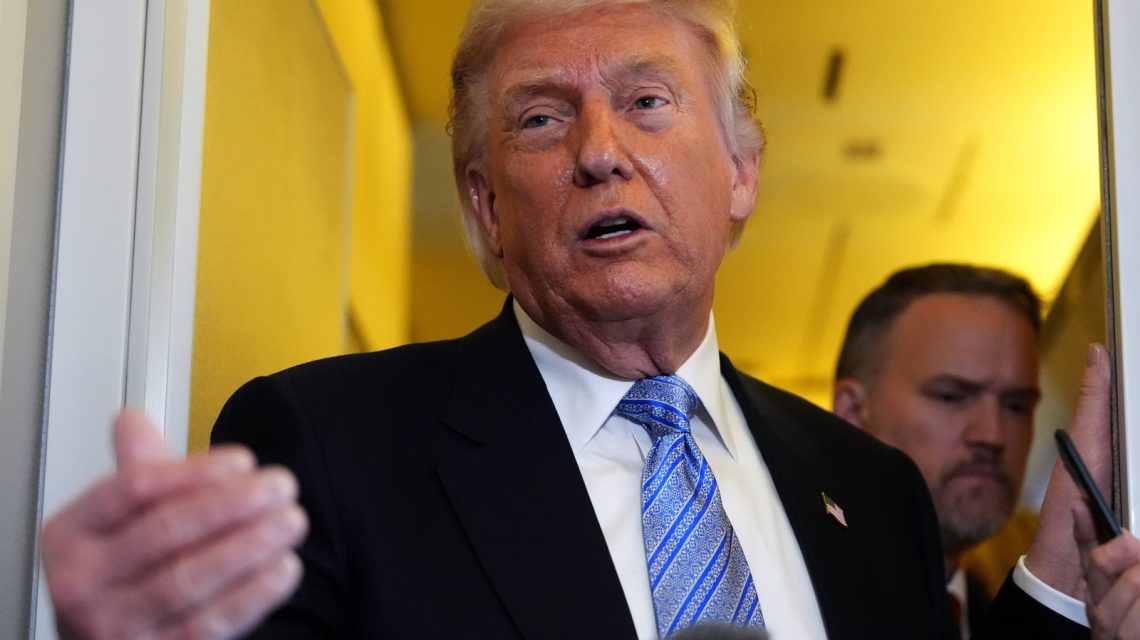
President Donald Trump issued a new executive order on financial due diligence, highlighting the need for banks to strengthen their ‘know your customer’ procedures. The order emphasizes thorough vetting of clients’ backgrounds, focusing specifically on their immigration status. Titled ‘Restoring Integrity to America’s Financial System,’ the order points to risks from extending credit or services to certain noncitizen populations. It instructs regulators to offer guidance on preventing ‘unlawful’ financial activities.
Key Concerns
The executive order did not mandate citizenship checks, which some groups feared could greatly hinder bank services for millions. Nonetheless, it introduces new regulatory challenges that might impact banks and their clients. The White House claims this move will address national security and public safety threats by combating illicit financial activities across borders.
Industry Reactions
Some experts warn that increased scrutiny of noncitizens’ financial activities might lower U.S. tax revenues. The Yale Budget Lab estimates a decline in tax filings could lead to $479 billion in losses over a decade.
Advice to Banks
The administration had been expected to require banks to gather citizenship data. Treasury Secretary Scott Bessent stated that the directive was ‘in process.’ Nonetheless, the latest order only urges guidance on nonauthorized financial risks. These risks include tax evasion signs, usage of non-U.S. documents, and reliance on ITINs for credit applications.
The White House suggests that using ITINs instead of Social Security numbers could indicate unlawful activities. A 2024 Urban Institute study noted a small ITIN loan market, with 5,000 to 6,000 mortgages issued in 2023.
The order cautions banks on risks of lending to individuals who may face deportation. The White House warns that providing financial services to those with potential deportation risks creates credit risks, raising consumer costs like fees and interest rates.
Banking Sector Support
Some banking representatives support the proposals. Rob Nichols, CEO of the American Bankers Association, emphasized the importance of ensuring a secure financial system and preventing bad actors’ access.
However, the order may introduce new compliance burdens for banks. Kathryn Judge from Columbia Law School noted that banks have long been required to conduct due diligence to detect illicit finance. She warned that the order could increase procedural hurdles for basic banking services, potentially discouraging people from accessing these services.
Continuous Developments
Alongside this order, Trump signed another order to modernize regulations for financial technology firms, encouraging innovation by reviewing rules that may constrain financial tech growth.
Moving forward, Treasury Secretary Bessent will assess if bank secrecy regulations need updates to ensure banks can identify account owners and assess related unlawful activity risks effectively.
 State Department Simplifies Passport Process with Online Applications
 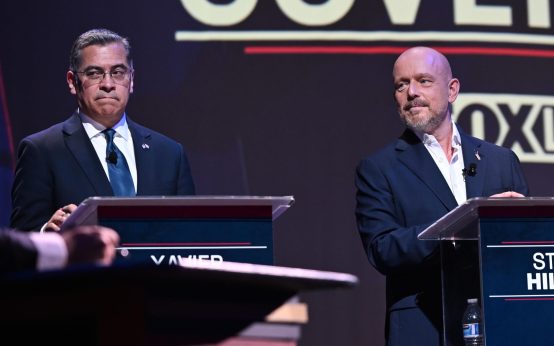 Becerra and Hilton Clash in California Gubernatorial Debate
  California Voters to Decide on $7.5 Billion State Research Fund
 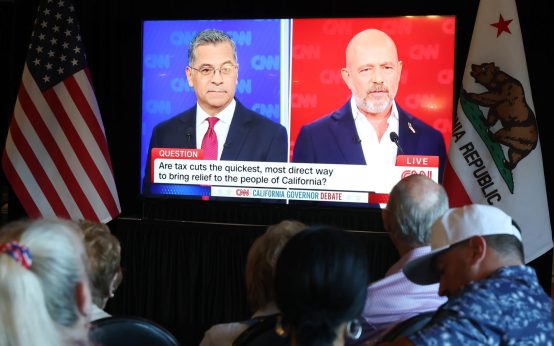 Highlights from the California Gubernatorial Debate: Becerra vs. Hilton
 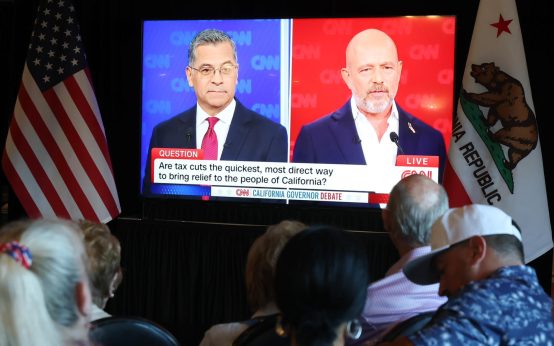 Becerra vs. Hilton: The Debate and Key Issues in the California Governor Race
  Senate Confirms New Labor Secretary