In February, the Supreme Court deemed the tariffs imposed by the Trump administration as unlawful, resulting in an order for refunds. Yet, months later, significant barriers persist. Of the $166 billion owed, merely $21 billion has been repaid, while $40 billion waits due to required individual lawsuits for each importer. Those who bore the costs—families, small businesses, and farmers—are receiving nothing. The design of the refund process is to blame.
States along the border that rely on trade have witnessed the economic impact of these tariffs. Retailers who faced higher import costs passed them on to consumers. Grocery store prices rose, and everyday goods became more expensive.
The system favors large corporations with the resources to handle legal processes, while others are left out. Families ended up paying an additional $1,700 per household on average. These tariffs imposed about $80 billion in extra costs, affecting small businesses and family budgets. Retailers absorbed higher costs to retain customers. Farmers and manufacturers faced pressure on every input. Amidst inflation, rising grocery prices, and soaring gas costs, consumers found no relief.
The refund process caters to major importers, ignoring consumers and small businesses without the means to litigate. Moreover, the administration is actively preventing the release of $40 billion in refunds, requiring lawsuits for each importer rather than automatic refunds. While resisting refunds, new tariffs replace those struck down by courts, intensifying the harm.
When a court summoned the CBP Commissioner to explain refund eligibility, the administration intervened, prompting a federal appeals court to halt the hearing. This situation extends beyond policy differences. It signals deliberate obstruction to protect large companies, neglecting working families. This approach undermines economic stability crucial to state economies. Growth stems from Main Street businesses that can plan and invest, not from systems benefiting a select few.
Relief must reach those who paid these costs. An honest assessment must compensate them fairly. The creation of a transparent, public registry to detail who receives refunds, how much, and for what reason is essential. Without transparency, fairness and accountability cannot be ensured.
The administration should stop contesting orders that broaden refund access. Courts have recognized the issue. Further obstruction only worsens the situation. Each day the process remains static, large corporations profit while working families suffer. Every appeal prolongs inequity.
As state leaders focused on revenue, affordability, and stability, passive observation of a refund system serving the few is unacceptable. Immediate action is necessary to ensure the process serves those who truly faced the consequences.
Disclaimer: This article reflects the views of Mike Pieciak, Vermont state treasurer, and Julie Blaha, Minnesota auditor.
 Trump’s 2024 Reelection and Evolving Voter Dynamics
  Defense Secretary Emerges as Key Player in the Trump Administration
  Hegseth’s Vision for the Military: Balancing Tradition and Innovation
 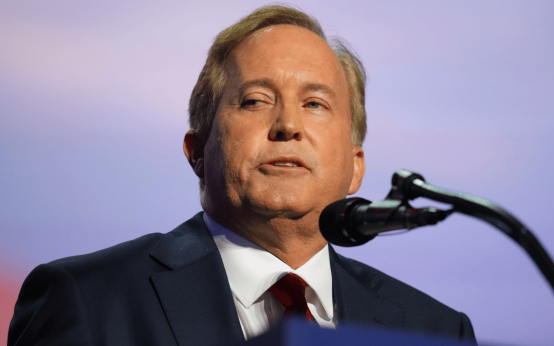 Significant Funding Boosts Ken Paxton’s Texas Senate Campaign Amid Tight Race
  U.S. States Extend Gas Tax Waivers Amid Rising Fuel Costs Due to Iran Conflict
  USCIS Raises Immigration Fees