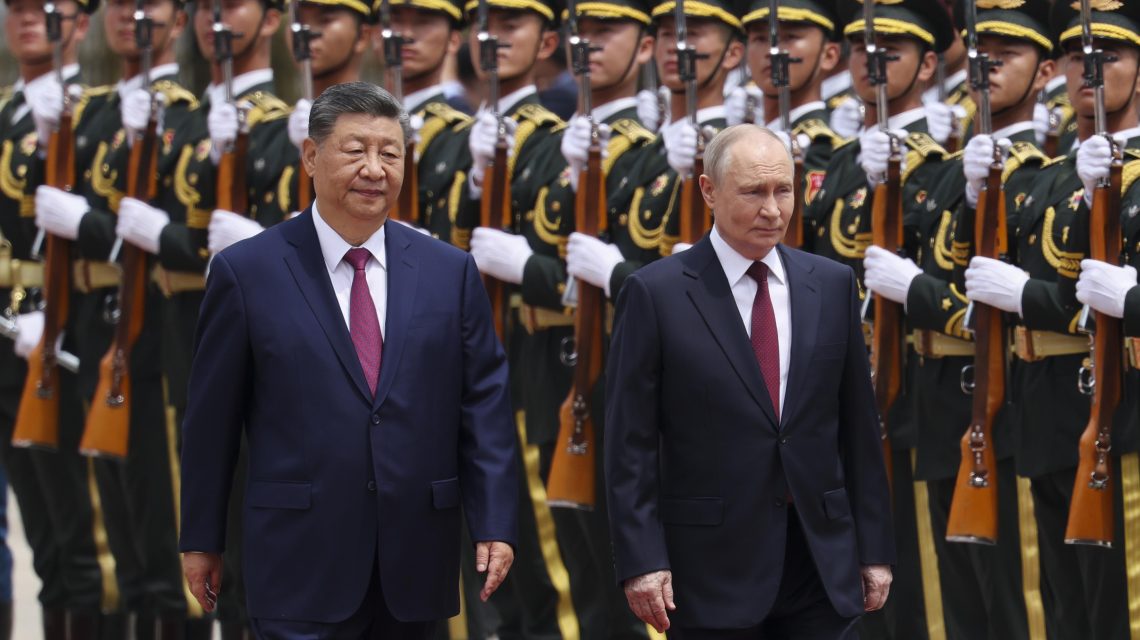
The United States played a significant role in the backdrop of a major summit held in Beijing between Russian President Vladimir Putin and Chinese leader Xi Jinping. This meeting, marking Putin’s 25th visit to China during his long tenure leading the Russian government, coincided with the fifth year of his conflict with Ukraine. For Xi, this visit was an opportunity to emphasize China’s increasing influence in global affairs shortly after a visit from President Donald Trump.
At the summit, Xi referred to the United States as he criticized unilateralism and hegemonic aims in international matters, which he described as chaotic. Both Xi and Putin spoke against U.S. nuclear strategies and Trump’s proposed missile defense system, labeling these plans as reckless and destabilizing.
Strengthening China-Russia Ties
Xi highlighted the importance of their strategic partnership, urging both nations to further their cooperation to achieve a balanced and intelligent global governance system. The meeting led to over 20 agreements focusing on strengthening ties in various areas, except for an agreement on the Power of Siberia 2 pipeline, which could be financially beneficial for Russia’s economy.
“China is willing to support Russia’s economy but acknowledges the pipeline primarily benefits Russia, as China already has sufficient gas supply and is moving towards green energy,” noted Callum Fraser from the Royal United Services Institute.
Xi’s Welcoming Approach to Trump and Putin
Xi Jinping received both Trump and Putin with honor guards, gun salutes, and gatherings of children, but differences were evident in their receptions. Trump’s visit came first, occupying most of the diplomatic attention with extended meetings, including a state banquet and private sessions.
Putin, greeted by Foreign Minister Wang Yi, received attention in Russian media that touted the reception as warm and friendly despite the rank difference with Trump’s greeter, Vice President Han Zheng. The focus was more on the substance rather than ceremony, highlighted by Kremlin spokesman Dmitry Peskov.
Economic Ties
Economic relations were a key focus for Putin. While Xi advocated for an end to the conflict in Iran to stabilize energy supplies, Putin assured Xi of Russia’s reliability in energy resource supplies amidst Middle Eastern tensions. China emerged as Russia’s main trading partner and top buyer of its energy exports post-Ukraine conflict, bolstering its economic standing against sanctions.
China’s purchase of cheaper Russian oil and gas has driven significant bilateral trade growth, which reached $228 billion in recent years. Potential disruptions in the Strait of Hormuz could further increase these imports.
China-Russia Partnership
The partnership between China and Russia has deepened with bilateral efforts to construct a multipolar world order. Putin has been instrumental in this evolving relationship, which has included the expansion of joint military exercises. China, although calling for peace in Ukraine, echoes Russia’s narratives regarding NATO expansion.
Western officials note the contribution of Chinese firms to Russia’s military through dual-use exports, although China denies these claims. Concerns arise that Russia’s dependency positions it as a secondary partner to China.
Impact of Diplomatic Visits
China’s hosting of major international leaders, including Putin and Trump, showcases its pivotal role in global diplomacy. State media praised Beijing’s influence, drawing attention to consecutive high-profile leaders visiting during a short timeframe.
Observers, however, advise caution in assuming these visits signal unwavering support for China. Instead, they reflect a strategic pursuit of practical cooperation, as exemplified by comments from Mark Carney and analysis by Lye Liang Fook. China’s stance on respecting sovereignty and its relationship with Russia will be closely scrutinized.
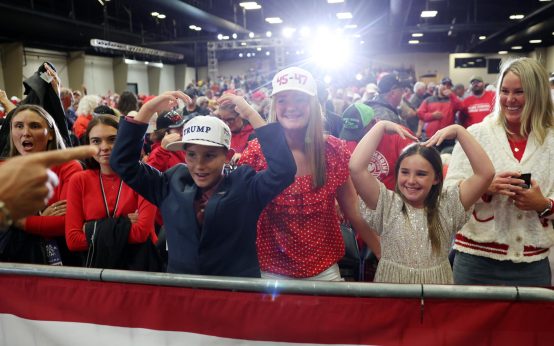 Trump Rallies Support in GOP Strongholds as Midterm Elections Approach
  Brazil’s Next Election: Familiar Faces and High Stakes
 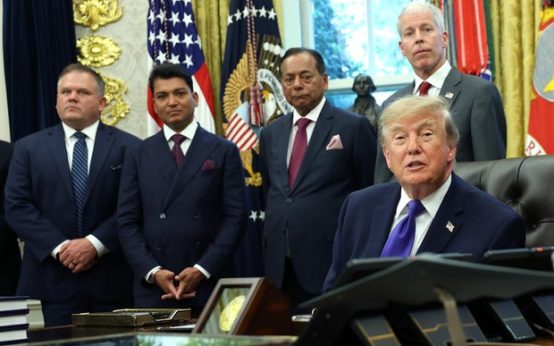 Iowa Steel Plant: Incentives and Political Maneuvering
  Strategies for Democrats Leading Up to Election Day
 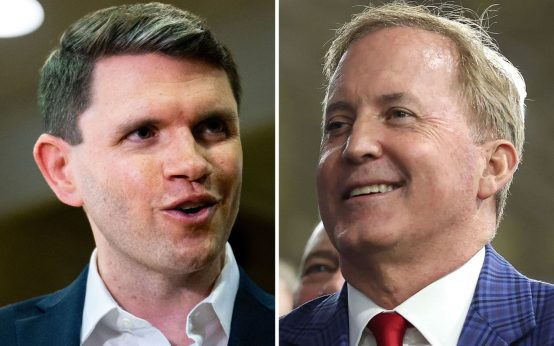 Texas Senate Race: The Impact of Trump on Ken Paxton’s Campaign
  Trump’s Approval Rating Struggles Ahead of Midterms