President Donald Trump has issued a stern warning to Iran. Tensions are escalating as diplomatic efforts remain stalled, accompanied by new drone attacks targeting U.S. allies in the Gulf region. Trump expressed on Truth Social that Iran should act swiftly, warning of severe consequences. Efforts to resolve the conflict between the U.S., Israel, and Iran, including addressing Iran’s nuclear program, have shown little progress recently.
Iranian Foreign Ministry spokesman Esmail Baghaei responded to Trump’s remarks. He stated that Iran is not intimidated and emphasized that negotiations are still in progress. Baghaei mentioned that Iran has responded to a new U.S. proposal, highlighting that concerns were communicated to the American side.
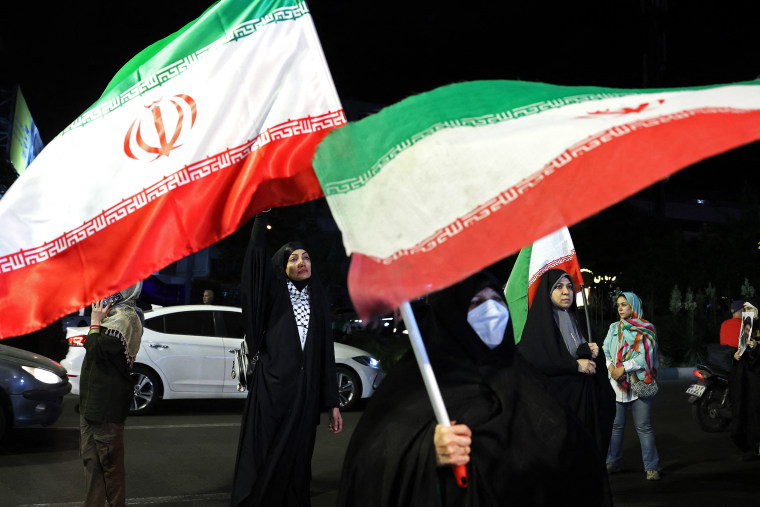
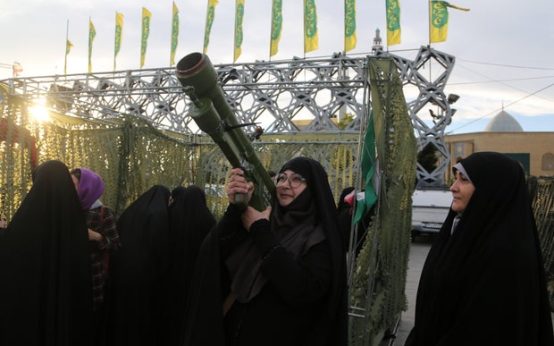
Meanwhile, women in Tehran participated in an anti-U.S. and Israel protest, showcasing national flags, while reports indicated that Trump had discussions with Israeli Prime Minister Benjamin Netanyahu. The White House did not confirm the call. Additionally, the United Arab Emirates reported a drone strike at a nuclear power plant, although no assailant was identified. Saudi Arabia also reported intercepting drones from Iraqi airspace.
The UAE referred to the incident as an ‘unprovoked terrorist attack’ on its Barakah nuclear plant. Authority statements assured that the plant’s safety was not compromised, with all units functioning normally. Both Iran and the U.S. have signaled readiness to resume hostilities if diplomatic resolutions fail in the coming days. The attack received condemnation, including from Pakistan.
Trump conveyed in a phone call to Axios that Iran faces severe repercussions if new deals on the nuclear program are not forthcoming. He indicated a preference for a better proposal than recent ones presented. In a Fortune magazine interview, Trump described Iran as eager to negotiate but criticized the inconsistency of their agreements.
Senator Lindsey Graham advocated for stronger U.S. military action against Iran. He pointed out that the closure of the Strait of Hormuz and U.S. naval actions are affecting global energy and fertilizer supplies. These obstructions have led to significant impacts on global markets, pushing oil prices to around $110 per barrel.
International Energy Agency head Fatih Birol noted the rapid depletion of commercial oil inventories, with reserves only lasting a few weeks. Trump, in his interview, acknowledged the economic implications, hinting at interest rate cuts post-conflict.
Iranian spokesman Baghaei asserted that Iran maintains no hostility towards regional countries, including the UAE. He mentioned that Iran is monitoring developments and is ready for potential U.S. actions. Baghaei stressed Iran’s commitment to its nuclear enrichment rights, referencing international treaties.
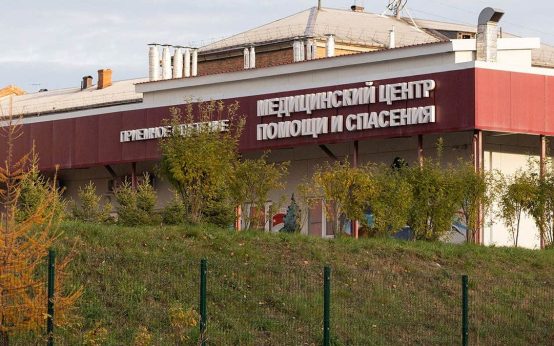 U.S. Monitors Russian Plague Scare
 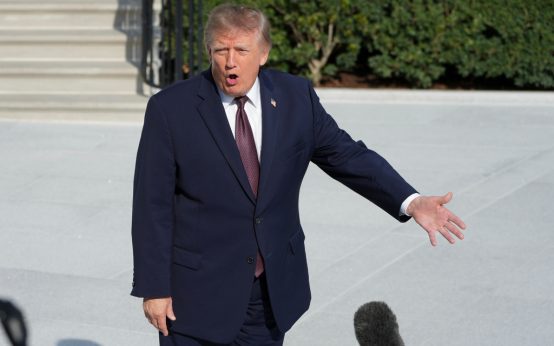 Trump’s Use of Public Funds for Political Ads Sparks Controversy
  Dennis Hastert’s Legacy: From Political Leader to Controversy
 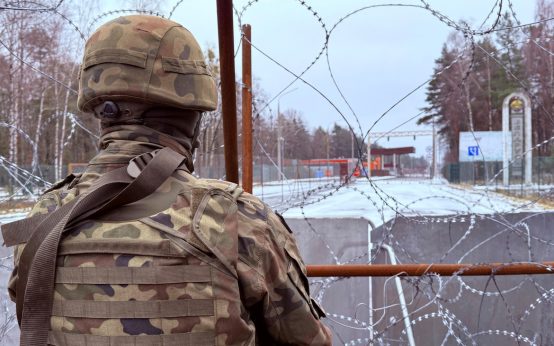 Poland Prepares for Potential Conflict
  Current Developments in the Iran Conflict and the Impact on Oil Markets
  Tensions Within the Trump Administration Highlighted by Policy Reversals