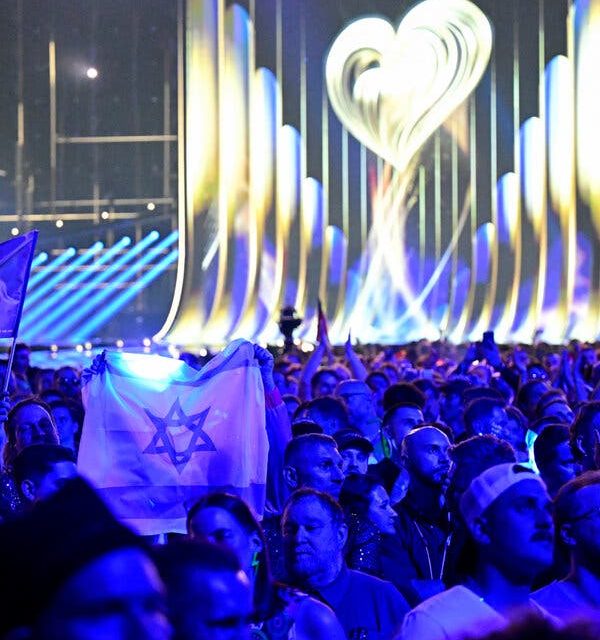
The Eurovision Song Contest is an event that mixes entertainment with political undertones. It is a spectacle filled with vibrant performances, but political issues often influence it.
Historically, countries have used Eurovision to make political statements. In 1969, Austria chose not to participate because Spain, a dictatorship at the time, was hosting. In another instance, in 2013, Azerbaijan faced accusations of vote manipulation.
More recently, following Russia’s invasion of Ukraine in 2022, Eurovision organizers banned Russia. That same year, Ukraine emerged as the winner.
This year, political tensions remain high. The ongoing conflict in Gaza has affected the contest. Five countries decided to boycott Eurovision due to Israel’s participation. They cite the ongoing war as their primary reason. Additionally, there are concerns about Israel attempting to influence contest results.
These issues highlight how Eurovision serves as a platform not only for music but also for political expression. As the contest progresses, observers are keen to see how these dynamics play out.
 Readers React to Miss Manners Column
  Troy Swanson: Award-Winning Librarian Transforming Academic Libraries
  Lisdoonvarna Matchmaking Festival: A Unique Tradition
  Midwest Underground Railroad Network Gains National Recognition
  Art Collective Critiques Administration with Mall Installation
  American Hagwon: A Tale of Family and the Korean Diaspora