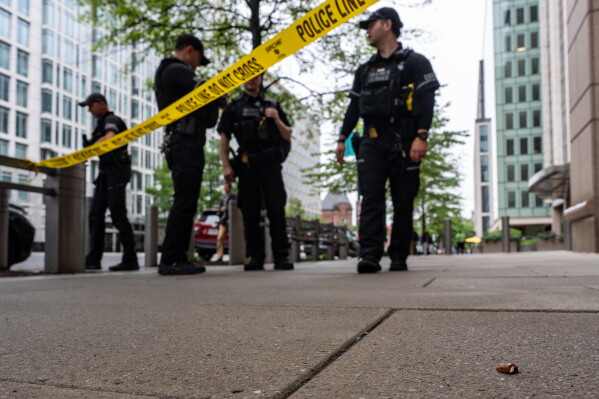
In Quetta, Pakistan, a suicide bomber struck near a railway track on Sunday. The attacker detonated a vehicle filled with explosives as a passenger train passed, resulting in the death of at least 23 people and injuries to over 70 others. Two train cars overturned and caught fire from the explosion, sending thick smoke into the sky.
The attack took place in an area typically under the watch of security forces. It caused significant damage to nearby buildings and destroyed over a dozen parked vehicles. Witness accounts and social media images captured the aftermath of the explosion.
Medical personnel reported receiving the wounded, with 20 in critical condition. Security officials, speaking anonymously, confirmed that the victims’ bodies were moved to local hospitals. The Baloch Liberation Army, a banned group seeking independence from Pakistan’s central government, claimed responsibility. They targeted the train, which was carrying security personnel.
Quetta serves as the capital of the restive Balochistan province, known for its ongoing insurgency. Insurgents frequently attack security forces and public installations in this mineral-rich region.
We strongly condemn the targeting of innocent civilians and are deeply saddened by the loss of precious human lives. Terrorist elements deserve no leniency,
said Shahid Rind, the Balochistan provincial government spokesperson.
A medical emergency was declared in Quetta’s hospitals, and authorities have launched an investigation. Prime Minister Shehbaz Sharif condemned the attack on social media, lamenting the cowardly act and extending condolences to the victims’ families. Balochistan’s Chief Minister Sarfraz Bugti also condemned the attack, emphasizing the harm to civilians, including women and children, and vowed to apprehend the perpetrators.
Pakistan’s President Asif Ali Zardari criticized the bombing, stating that militants aimed to disrupt Pakistan’s role in regional peace efforts. The attack occurred a day after reports of potential peace talks in the Middle East, with Pakistan allegedly involved in negotiations. Zardari assured that Pakistan would combat terrorists and those supporting them.
Pakistan and India have long-standing tensions, having fought multiple wars primarily over the Kashmir region, which both claim. Despite Pakistani claims of controlling the insurgency, violence in Balochistan continues persistently. A similar attack in 2024 killed at least 26 people at a train station in the province.
 The Threat of Melting Glaciers: A Call to Action
  Police Discover Ancient Roman Artifacts Off Sardinian Coast
  Urgent Need for Action in East Africa’s Food Crisis
  Suspected Plague Death in Siberia Sparks Health Measures
  G7 Nations Agree to Release 100 Million Barrels of Oil Amid Fuel Price Surge
  Co-Pilot Attempts Hijack on Flight to Tel Aviv