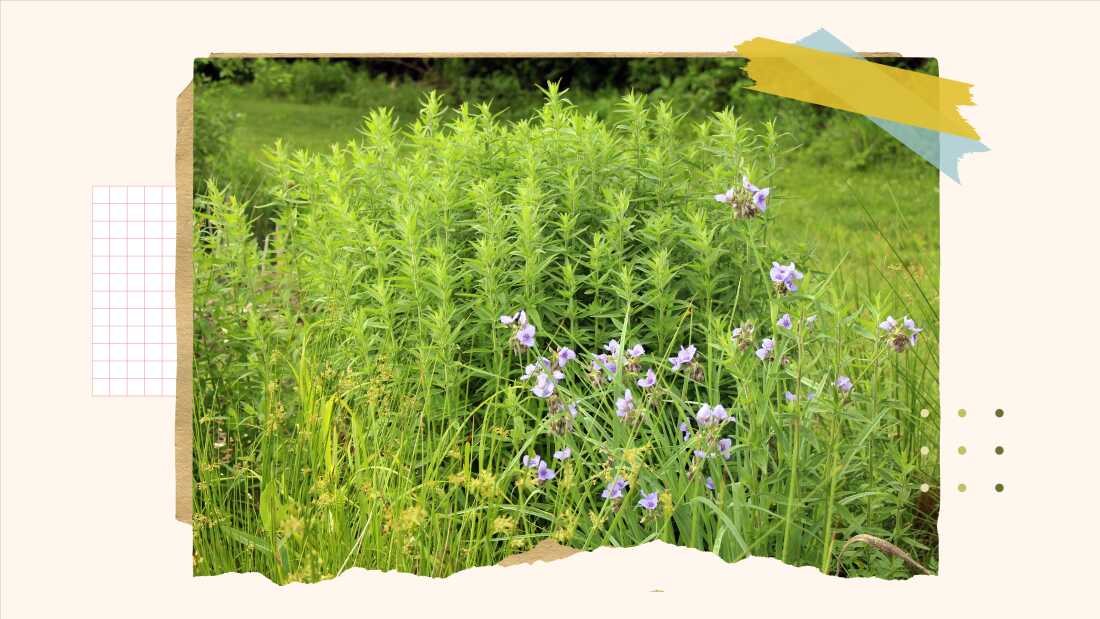
Three years ago, a patch of grass near Kansas City turned into a thriving garden filled with Midwest native plants. Examples like Ohio spiderwort and mountain mint now attract numerous pollinators. Celica Llopis-Jepsen captured this transformation, illustrating a broader shift. While federal climate plans face roadblocks, local and state initiatives are stepping up to combat environmental challenges.
Lawns cover around 40 million acres in the United States, an area the size of Georgia. While they provide recreational spaces, these manicured lawns have significant environmental impacts. The Environmental Protection Agency notes that gas-powered yard equipment contributes 30 million tons of air pollutants annually. Additionally, rainwater carries weedkillers and fertilizers into lakes and rivers, damaging ecosystems.
Shrinking lawns can mitigate these impacts, creating habitats that nourish wildlife. This is crucial as North America has seen a loss of birds and butterflies. According to Doug Tallamy of the University of Delaware, reducing lawns by half to incorporate native plant gardens could result in more habitat than Yellowstone and other major parks.
Steps to Convert Lawns into Native Gardens
Choose a Spot to Begin
Start small if you’re new to gardening. Stacia Stelk from Deep Roots KC advises choosing manageable areas, like along a fence. Avoid tackling the entire lawn to prevent weeds and erosion. A tree in your yard could be surrounded by a flower bed, giving caterpillars a safe space to transition into adult butterflies and moths.
Plan Your Plant Selection
Use flowers, trees, and shrubs native to North America to attract wildlife. Monarch caterpillars require milkweed, while other insects need specific plants. Consider the sunlight and soil conditions before choosing plants, using resources like GrowNative.org for regional guidance.
Grass Removal Techniques
Deep Roots KC suggests solarizing grass with transparent plastic during summer, or smothering it with cardboard. Tools like sod cutters or shovels can also be used. Choose the method that suits your space and time constraints. Once dead, the turf decomposes, enriching the garden.
Acquire Plants Economically
Garden centers may not stock many native plants, opting for ornamentals. Look for native plant nurseries or pop-up events. Jeffrey Popp recommends buying smaller plant plugs for affordability. Alternatively, find local groups or individuals sharing seedlings or swapping plants.
Plant and Wait
Space plants appropriately for mature growth, minimizing mulch needs over time. Patience is key, as plants may take years to fully thrive. This approach reduces weed pulling and mulch replenishment.
Maintain and Enjoy
Monitor weeds and watering needs until plants establish strong roots. Avoid cutting plants down in winter, leaving stems and leaves for native bees and butterflies. Native gardens can enrich local biodiversity and offer personal satisfaction.
Native plant gardening fosters nature’s revival. Celia Llopis-Jepsen documents this journey through her podcast, Up From Dust. Produced by Sylvie Douglis and edited by Shahla Farzan, Malaka Gharib, and Neela Banerjee. Feedback is welcome at [email protected].
 Senators Reach Bipartisan Agreement on Permitting Reform
  Experts Warn of Critical Period for the Colorado River
  Future Cities: Ambitious Projects Aiming for Innovation and Sustainability
  Supreme Court Case Suncor vs. Boulder: Implications for Accountability in Climate Change
  Hawaii Faces Impact of Record El Niño Through Recent Hurricanes
  Efforts to Save the Endangered American Red Wolf