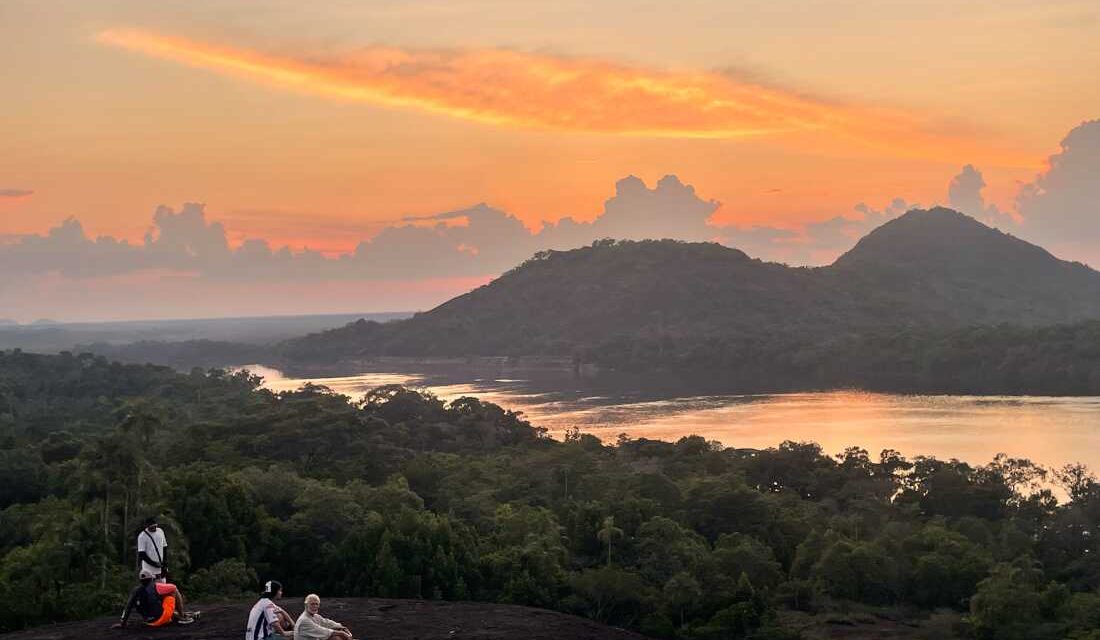
As the sun sets over Colombia’s remote Mavecure Mountains, a warm glow embraces the towering rock formations that rise above the Amazon jungle. Located near the border with Venezuela, this area provides a fascinating natural landscape.
Visiting the Mavecure Mountains means waking up to the natural sounds of howler monkeys, parrots, and frogs. Accompanied by friends from the U.S., I explored eastern Colombia’s scenic wonders, with three massive rock formations catching our attention. These are the Cerros de Mavecure, standing 2,000 feet above the jungle floor.
The Cerros de Mavecure consists of monumental sandstone, shale, and quartz buttes, barren and rounded at the top. They bear a resemblance to Rio de Janeiro’s Sugarloaf Mountain. The name ‘Mavecure’ originates from the poison-dart blowguns used by Indigenous groups for hunting. Our guide, Ignacio Rodriguez, explains the site’s sacred significance to the Puinave and Curipaco Indians, who traditionally leave offerings to spirits atop the ridges.
Among the visitors is Marcela Sánchez, an industrial engineer from Cali, who declares the scenery ‘divine.’ Climbing the smallest peak takes several hours in the sweltering heat, with climbers relying on guide ropes and ladders. The effort is rewarded by breathtaking views, rivaling the grandeur of Machu Picchu. Experiencing this, I reaffirm Colombia’s potential to be a major tourist destination.
Colombia’s diverse ecological offerings include the Amazon jungle, Caribbean beaches, and three Andean Mountain ranges, attracting bird-watchers worldwide. The country hosts over 1,900 avian species, more than any other nation. However, past instability due to guerrilla wars and drug-related violence kept tourists away. The 2016 peace treaty marked a turning point, opening the doors to foreign visitors. In the initial eight months of 2025, Colombia welcomed a record 3.1 million international visitors.
Delio Agapito, mayor of Remanso—a village at Mavecure’s base—describes tourism as the ‘main engine’ of the local economy. Many residents have shifted from gold mining to tourism-related work, improving quality of life. Fabio Pérez, a former miner, now operates a hostel and bee farm, enjoying more time with his family.
Despite its allure, Mavecure receives fewer visitors than other Colombian tourist spots like Cartagena or Medellín. Connectivity remains an issue, with access limited to river travel and sporadic flights from the nearest airport. Accommodations are basic, with tourists staying in bunkhouses. Fernando Carrillo from Aroma Verde promotes sustainable tourism but notes its small-scale presence.
The adventurous hike demands caution. Rodríguez advises not grabbing branches or bushes to avoid thorns. While the dry season means a chance encounter with snakes is low, hikers must remain vigilant. Nearing the summit, we meet other climbers and taste edible rainforest ants. Colombian anesthesiologist Sebastian Rivera describes the ants’ head tasting like lemon.
At the top, climbers enjoy the vast panorama of the jungle and the winding Inírida River with Mavecure’s two other peaks in the backdrop. Catalina Laverde, a lab technician, calls it ‘a dream come true.’ Rivera appreciates the solitude, remarking that while efforts are underway to boost tourism, for most, Mavecure remains an undiscovered treasure, offering natural splendor over luxury.
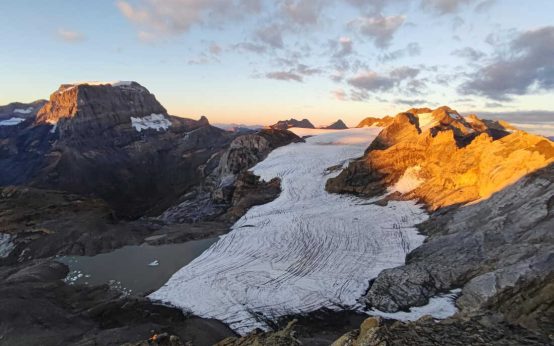 Swiss Glaciers Show Effects of Ice Loss Amid Global Warming
  Climate-Resistant Rock Glaciers: Hidden Water Resources
  Unusual In-Flight Behavior Leaves Passengers Stunned
  Senators Reach Bipartisan Agreement on Permitting Reform
  Experts Warn of Critical Period for the Colorado River
 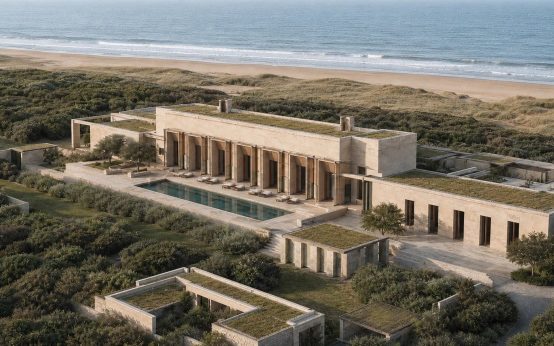 Future Cities: Ambitious Projects Aiming for Innovation and Sustainability