
In a span of six years, significant changes can occur when voters reevaluate their city’s leadership and policies. In 2020, residents in San Francisco chose to support an ‘overpaid CEO tax’ with a strong 30-point margin. However, in a recent vote, an effort, supported by unions, to broaden this tax was unsuccessful, falling short by six points.
The initial approval reflected widespread support for measures to address income inequality. This recent shift indicates a reconsideration among voters regarding the expansion of such taxation policies. The dynamics of voter preferences have shifted, highlighting the community’s evolving priorities and concerns.
 Democratic Hopes and Historical Warnings in 2026 Senate Race
  Republicans Face Challenges Amidst Cost of Living Concerns
 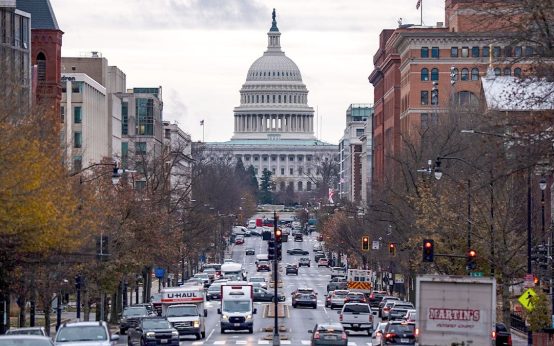 A Different Kind of Fall for Congress This Year
  Cornel West and Sean Hannity Discuss Differences on Podcast
  Trump Unveils AI-Powered America.gov Platform
 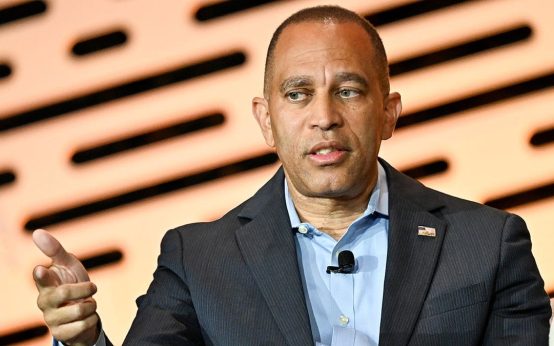 Upcoming Congressional Elections: Key Districts to Watch