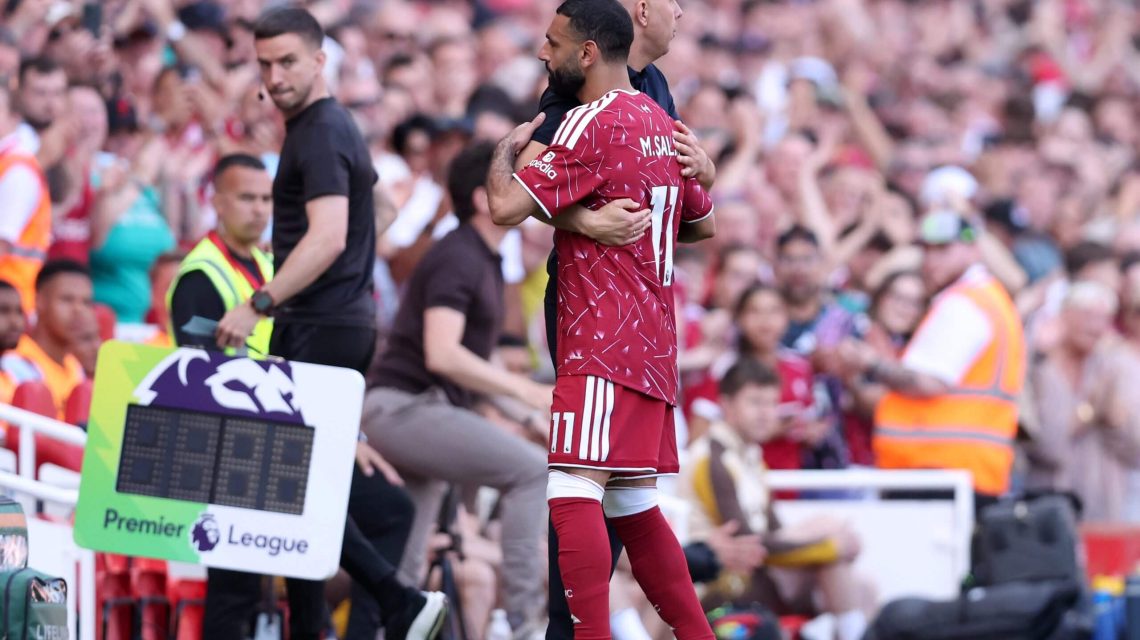
Liverpool’s decision to part ways with coach Arne Slot was delivered to him on Saturday morning by sporting director Richard Hughes. The Dutchman was informed of the club’s decision to end his tenure as head coach after a challenging second season. Just a year after winning the Premier League title in his debut season at Anfield, Slot’s team finished fifth despite securing Champions League qualification.
Initially, Hughes and Fenway Sports Group’s CEO of football, Michael Edwards, showed support for Slot, recognizing the challenges faced by Liverpool. Despite this, the club decided to make changes due to the growing discontent in the dressing room and among fans. Spanish coach Andoni Iraola is expected to replace Slot, with Liverpool aiming for a swift transition.
Slot was confident about his future with Liverpool, actively involved in planning for the next season. He had arranged for his former assistant Etienne Reijnen to join his staff but faced setbacks in securing a contract. His absence from the traditional post-season lap of appreciation raised eyebrows. Slot insisted it was to focus attention on departing legends Mohamed Salah and Andy Robertson rather than an indication of his imminent departure.
The decision to let Slot go was compounded by a string of nine defeats from September to November. Liverpool’s hierarchy had expressed their support despite the downturn, attributed partly to Diogo Jota’s tragic death, injuries, and other challenges. Record signing Alexander Isak, Giovanni Leoni, and Conor Bradley faced injuries, limiting playtime of top scorer Hugo Ekitike.
Slot’s challenges worsened with inconsistent performances from established players like Salah, Alexis Mac Allister, and Cody Gakpo. The breakdown in Slot’s relationship with Salah was a subplot, with Slot accused of scapegoating Salah, but Hughes and Edwards backed Slot’s management.
Much of the criticism centered on Liverpool’s style of play under Slot. Fans felt disconnected due to slow, lifeless performances. The team fell short of expectations, evidenced by their struggle to secure points and poor defensive record. Liverpool’s goal statistics and defeats signaled a need for change.
Andoni Iraola emerged as the frontrunner for the position. His successful tenure at Bournemouth, guiding the team to record Premier League finishes, impressed Hughes. Iraola’s style aligns with Liverpool’s desired shift to a more aggressive playing style.
Iraola’s availability without compensation requirements, coupled with his proven track record, made him a prime candidate. Other contenders included Stuttgart’s Sebastian Hoeness and Lens’ Pierre Sage, but Iraola’s recent engagement with Liverpool strengthened the possibility of his appointment.
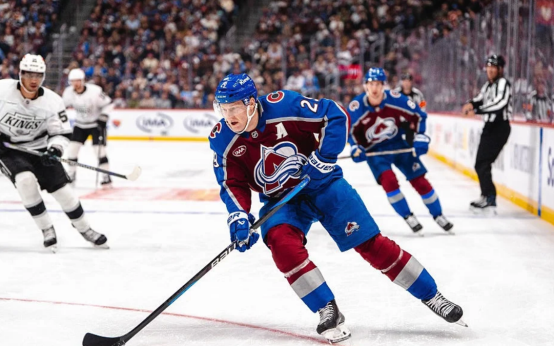 Colorado Avalanche’s Nathan MacKinnon Shines in Season Opener
  Yankees Sweep Red Sox in AL Wild Card Series
  Arike Ogunbowale Shines in Dallas Wings’ Overtime Victory
  Dallas Cowboys Acquire Joey Porter Jr. in Major Trade
 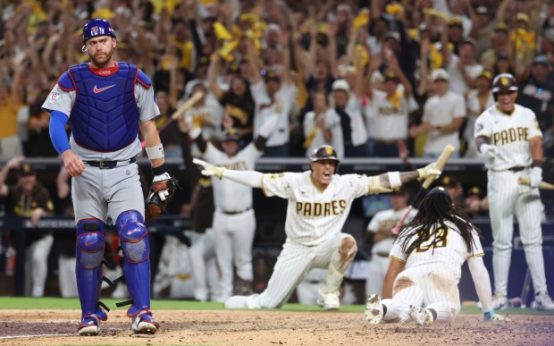 Chicago Cubs Struggle in Wild-Card Series Against Padres
 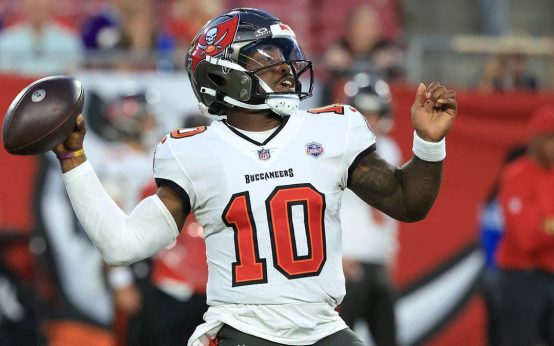 Jalon Daniels to Start for Buccaneers in Crucial Game Against Packers