WASHINGTON (AP) — Lenders worldwide are showing increased caution in extending credit to President Donald Trump’s administration. This hesitance is causing interest rates to rise, which is exacerbating affordability issues, limiting economic growth, and creating new electoral challenges for Republicans ahead of the upcoming midterm elections.
The recent spike in energy prices, following the Iran conflict, is impacting the cost of bonds used to finance the U.S. government. The interest rates on a 10-year U.S. Treasury note have increased to 4.44% from 3.95% since the conflict began at the end of February. Mortgage rates have reached their highest levels in nine months, and auto sales are experiencing a decline.
Global Interest Rate Impact
The issue is global. Interest rates have risen in various countries as the world faces the potential of higher inflation, doubts about government debt sustainability, and a surge in artificial intelligence investments. President Trump has tried to reassure the public by stating he has a plan to reduce the around $1.8 trillion annual budget deficit. He has pointed to tariffs, payments from foreigners for the “Gold Card” visa, departmental spending cuts, and accelerated economic growth as potential solutions. Most recently, he mentioned the fraud task force led by Vice President JD Vance as crucial in achieving significant savings.
“If he does really great, we’ll have a balanced budget without having to do anything,” Trump commented.
Economic Realities and Expert Opinions
Economists argue that Trump’s plans to significantly reduce the deficit are unlikely to succeed. According to Jessica Riedl, a budget and tax fellow at the Brookings Institution, the national debt servicing cost has tripled since 2021, reaching over $1 trillion annually. Riedl points out that Trump’s tax cut bill might add $5 trillion to the 10-year deficits, overshadowing any gains from tariffs. Budget deficits could surpass $4 trillion a year within ten years under the current administration’s policies.
Projections show deficits will continue to climb as Social Security and Medicare’s cost growth surpasses tax revenues. The 10-year Treasury rate peaked at 4.67% in May and has dropped amidst Iran ceasefire discussions, echoing prior trends with Trump’s “Liberation Day” tariffs.
Kent Smetters from the Penn Wharton Budget Model estimated that 60% of the rise in 30-year Treasury yields stemmed from expectations of continued high U.S. borrowing. The remaining 40% was attributed to inflation driven by the Iran war and tariffs.
Former White House Council of Economic Advisers Chairman Glenn Hubbard expressed concern over the reduced borrowing capacity of the U.S. compared to previous economic crises like those of 2008 and 2020. Hubbard, now at Columbia University Business School, highlighted Washington’s lack of effective solutions.
Political Implications
High interest rates present Democratic candidates with an opportunity to criticize Republicans in the upcoming congressional races. These rates complicate home buying or renovation and increase costs of car purchases and credit card management.
In Colorado’s fifth district, Democrat Jessica Killin focuses on the message that persistent deficits and rising interest rates add to financial pressure. Joe Reagan, another Democratic contender, emphasizes fiscal responsibility in his campaign, suggesting that interest payments restrict investments in infrastructure and growth sectors.
Republican incumbent Jeff Crank has not responded to inquiries on these issues, while Democrats criticize Trump’s inconsistency regarding budget promises.
Fraud Reduction as a Deficit Strategy
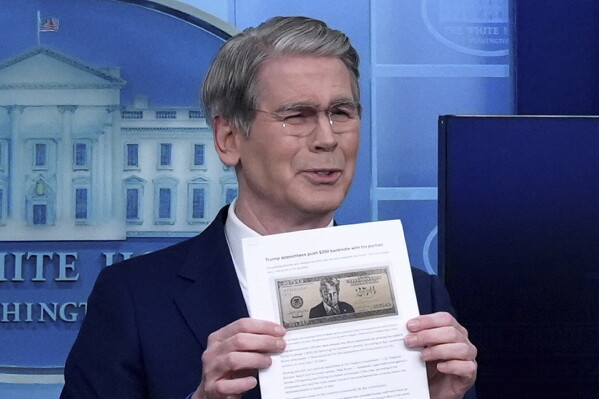
The Trump administration claims strategies to reduce deficits are in place. Recent reductions relied partly on tariff revenues, subject to potential refunds following a Supreme Court ruling. Treasury Secretary Scott Bessent cited a report indicating $500 billion in annual fraudulent spending could be eliminated.
The fraudulent spending estimates draw from a pandemic-era report by the Government Accountability Office. The White House and Treasury did not clarify Bessent’s specific sources.
Bessent has argued that the administration inherited a significant deficit challenge from former President Joe Biden. The administration aims to cut the annual deficit to 3% of the GDP, a target not yet given a specific timeline.
Investor Confidence and Market Reaction
Current investor behavior shows confidence in U.S. economic prospects, reflected in a stock market upswing. However, the increasing interest rates indicate concerns regarding the national debt as a U.S. vulnerability.
Financial markets’ pressure might compel political leaders to confront fundamental economic imbalances before the electorate acts. The trust in debt repayment underpins the entire bond market system, as Hubbard described. It’s a complex balance: “That is what debt is about: I believe you will pay me back,” Hubbard noted.
 Maryland First State to Restrict Electronic Pricing in Grocery Stores
  Activists Push for Nationwide Ban on Child Marriage in the U.S.
  Democratic Hopes and Historical Warnings in 2026 Senate Race
  Republicans Face Challenges Amidst Cost of Living Concerns
  A Different Kind of Fall for Congress This Year
  Cornel West and Sean Hannity Discuss Differences on Podcast