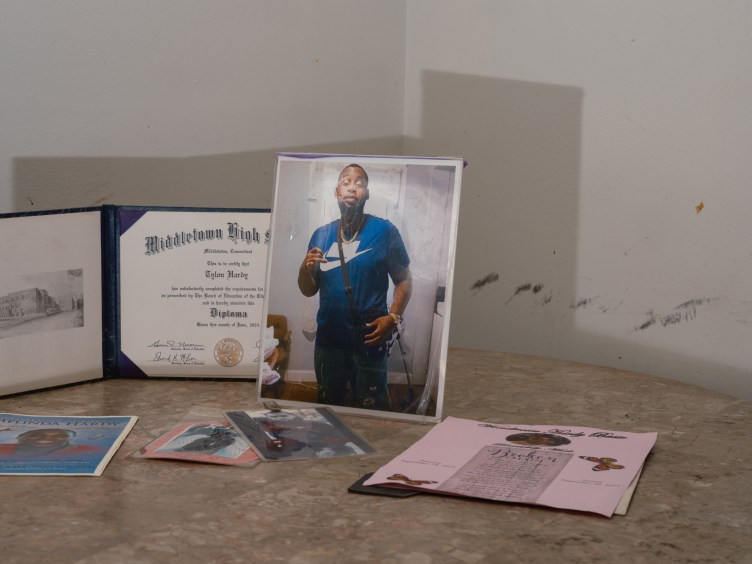
During Donald Trump’s first year in office, the Bureau of Alcohol, Tobacco, Firearms and Explosives (ATF) saw a 30% decrease in gun-trafficking charges referred when compared to the previous year. The number of declined referrals by prosecutors also increased. A significant number of ATF agents were reassigned from gun law enforcement to assist Immigration and Customs Enforcement (ICE) with operations against undocumented immigrants.
Reversal of Policies and Effects
Trump reversed a crackdown on gun stores initiated during Joe Biden’s administration. This led to a 69% decrease in the number of gun dealers losing their licenses for violating laws. Mitchem, who witnessed the Columbine shooting and later joined the ATF, noted that under Biden, there was significant progress in combating gun trafficking and violent crime. However, Trump’s administration rolled back many of these initiatives, repealing the zero-tolerance policy and urging revoked dealers to seek new licenses.
Criminologists, like Mitchem, warn about the potential long-term impact of these policy reversals. They highlight the time-to-crime factor, where trafficked firearms typically take up to three years to appear in criminal acts. This predicts that the positive outcomes of Biden’s anti-trafficking efforts may still be saving lives, while the negative effects of Trump’s changes might unfold in the future.
Impacts of Legislative Changes
Prosecutors charged over 500 defendants using new trafficking statutes introduced under Biden. Meanwhile, evidence suggests a pullback in gun-trafficking prosecutions under the Trump administration, with a 30% rise in declinations for ATF referrals on trafficking charges from the DOJ. Despite fewer prosecutions, there was an increase in cases under new trafficking conspiracy charges related to border cases.
Tension Around Gun Dealer Licensing
The changes in enforcement policies also impacted gun dealers. Many dealers who lost their licenses under Biden’s zero-tolerance policy criticized the revocations as overstrict, claiming clerical errors were punished severely. The ATF, under constraints to not threaten gun owners’ rights, faced political challenges, including legal battles from dealers contesting their license removals.
Despite the policy reversals, the ATF managed to maintain progress against ghost guns, surviving legal challenges to the regulations that required ghost guns to carry serial numbers and be subjected to standard firearm laws.
“It’s unsettling to witness less focus on intercepting trafficked guns,” remarked Mitchem as she shared frustrations with diminished federal efforts at a Center for American Progress conference.
Robert Cekada, Trump’s nominee to lead the ATF, claimed the agency was still actively inspecting dealers. However, the DOJ’s acceptance of far fewer cases and the ATF’s reported redirection of resources to immigration tasks signaled diluted efforts in traditional trafficking enforcement.
Responses from Different Levels of Government
Due to reduced federal enforcement, some states and local entities began to step up their activities. For example, sheriffs in Philadelphia have increased dealer inspections to mitigate reduced activity from the ATF. Marianna Mitchem urged states to focus on tackling trafficking issues independently, citing the diminished federal support under Trump.
As Marianna Mitchem and other advocates call for attention to enforcement challenges, the future of gun law administration remains contingent on both federal policy direction and state-level responses. The complexity of balancing law enforcement priorities and Second Amendment rights continues to shape discussions around firearm regulations and trafficking prevention.
 Trump Rallies Support in GOP Strongholds as Midterm Elections Approach
  Concerns Over Contaminants in U.S. Cat Foods
  Brazil’s Next Election: Familiar Faces and High Stakes
  Iowa Steel Plant: Incentives and Political Maneuvering
  Strategies for Democrats Leading Up to Election Day
 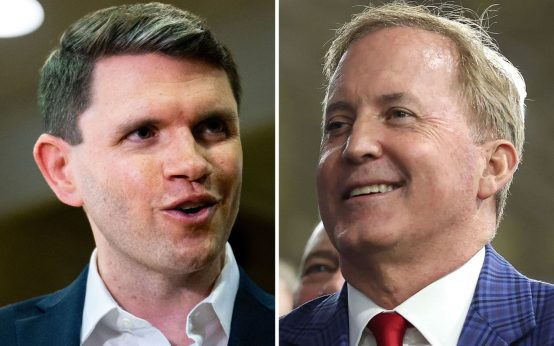 Texas Senate Race: The Impact of Trump on Ken Paxton’s Campaign