
Donald Trump extended a warm greeting to Justo Betancourt, a Cuban-born resident of Miami who was recently released from federal immigration detention. Betancourt had been held at a facility in the Florida Everglades, known as Alligator Alcatraz.
On TruthSocial, President Trump wrote, “Welcome home to Justo Betancourt, whose daughter, Arianne, fought very hard to free her father from Alligator Alcatraz. Enjoy your freedom together.”
Betancourt, a long-time resident of the U.S., was confined for over six months after being detained during a routine immigration check-in, as per court documents.
The federal judge ordered his release from Immigration and Customs Enforcement (ICE) custody on May 14. His lawyers successfully argued his wrongful detention, resulting in a habeas corpus ruling that mandated his release.
The Role of Arianne Betancourt
Arianne Betancourt, his daughter, played a crucial role in advocating for his release. She publicly supported and campaigned for him throughout the duration of his detention.
Background of Justo Betancourt
Justo Betancourt arrived in the United States in 1990, later gaining lawful status. However, an immigration judge ordered his removal in 2020 due to criminal convictions, including conspiracy to distribute methamphetamine, according to court documents dated May 13.
As Betancourt is a Cuban national, deportation was not immediate. Instead, authorities released him under supervision, requiring regular check-ins while he lived in the community.
During one such check-in on October 29, 2025, he was detained again, as noted in court records. In January 2026, attempts to deport him to Mexico failed because he was denied entry due to his medical and mental health issues, according to the documents.
 Activists Push for Nationwide Ban on Child Marriage in the U.S.
  Democratic Hopes and Historical Warnings in 2026 Senate Race
  Republicans Face Challenges Amidst Cost of Living Concerns
 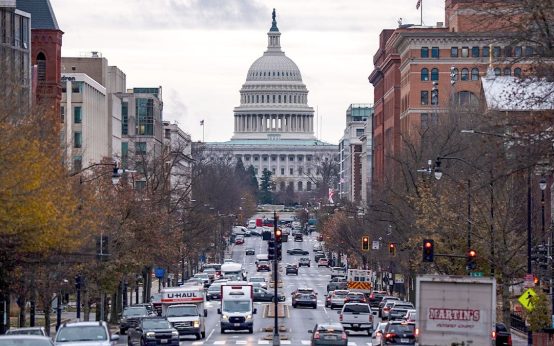 A Different Kind of Fall for Congress This Year
  Cornel West and Sean Hannity Discuss Differences on Podcast
 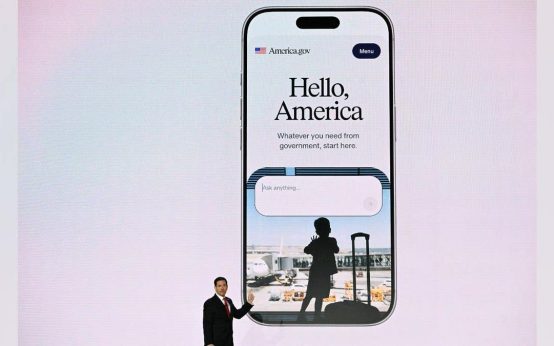 Trump Unveils AI-Powered America.gov Platform