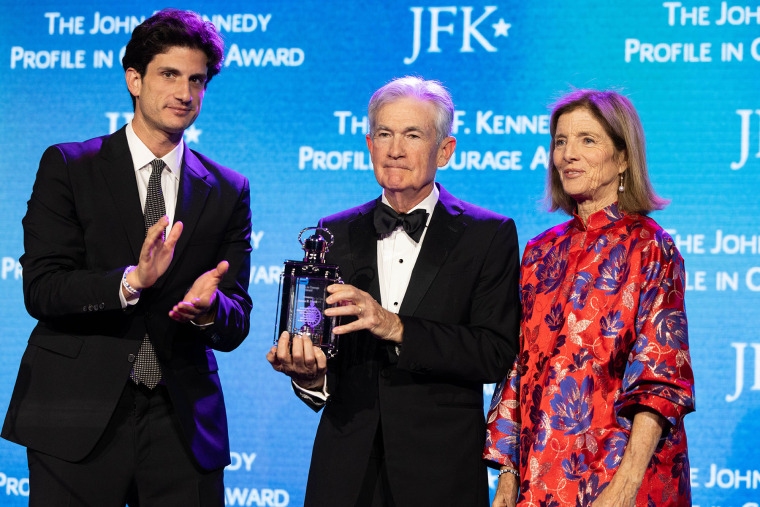
Jerome Powell, former U.S. Federal Reserve Governor, has expressed concern over the impact of a politicized central bank and emphasized the importance of defending democratic institutions. He delivered his remarks on Sunday as he accepted the John F. Kennedy Profile in Courage Award from the John F. Kennedy Library Foundation.
Powell highlighted the fragility of democratic institutions, noting their need for sustained effort and patience to develop, yet their ease of destruction. He underscored the necessity of preserving the positive aspects of these institutions while working on their improvement. Among the key institutions he mentioned were the Federal Reserve, the courts, and universities, which he considers crucial to the nation’s prosperity and global standing.
During his speech, Powell acknowledged that the Federal Reserve has faced significant challenges. These included attempts by President Donald Trump to dismiss Fed Governor Lisa Cook, demands for Powell’s resignation, and a criminal investigation involving him. Despite stepping down as chair of the Fed on May 15, Powell continues his role as a Fed governor. His decision reflects concerns about threats to the Fed’s autonomy, which currently blocks Trump from appointing another member to the Fed board.
Powell’s successors, including the newly appointed Kevin Warsh, have taken over as Fed chair since May 22. Powell remarked that the Fed’s structure is designed to ensure monetary policy decisions remain free from political influence, a principle historically upheld by administrations from both parties. He warned that if any administration removes Fed officials over policy disagreements, it sets a damaging precedent, undermining public trust in the Fed’s ability to act in the nation’s best interest.
The John F. Kennedy Library Foundation praised Powell’s efforts, stating that he safeguarded one of the country’s essential non-political institutions and exhibited remarkable courage amid persistent personal and professional challenges.
The award also honored the citizens of Minneapolis and St. Paul for their response to increased immigration enforcement in the Twin Cities area. Their actions included protests and efforts to monitor government enforcement measures.
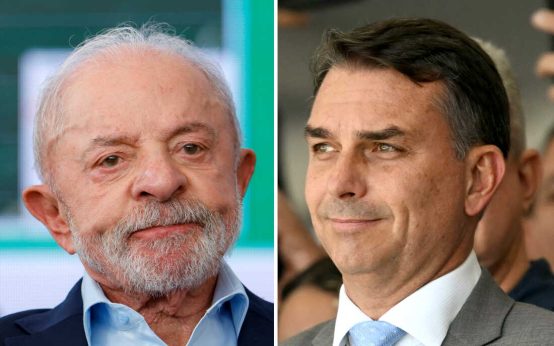 Brazil’s Presidential Race Heads to Runoff
 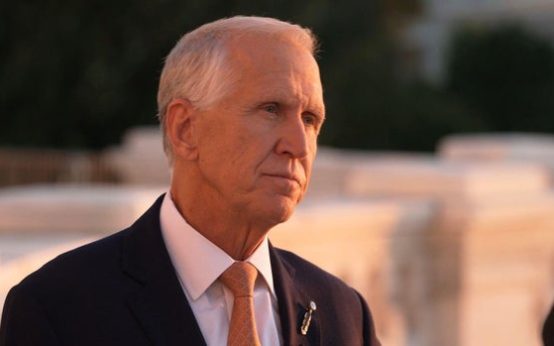 Sen. Thom Tillis Criticizes Trump’s Administration in New Book
 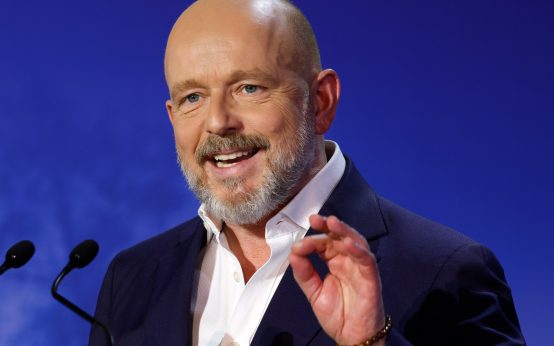 Controversy Surrounds Steve Hilton’s Campaign Ad Amid Gubernatorial Race
 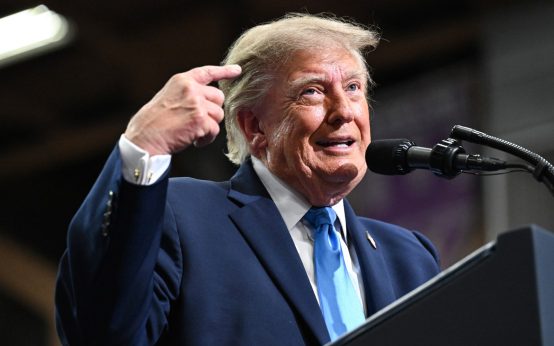 Trump Calls for Probe into Alleged ‘Paid Protesters’
 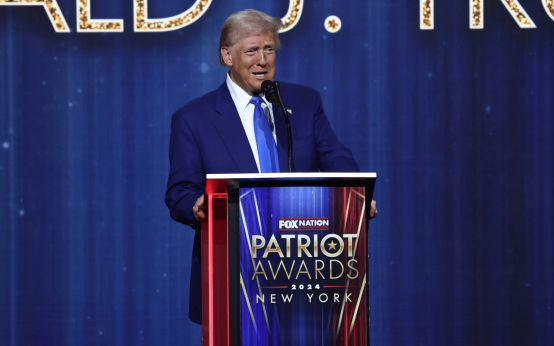 Donald Trump Criticizes Fox News for Rally Coverage
 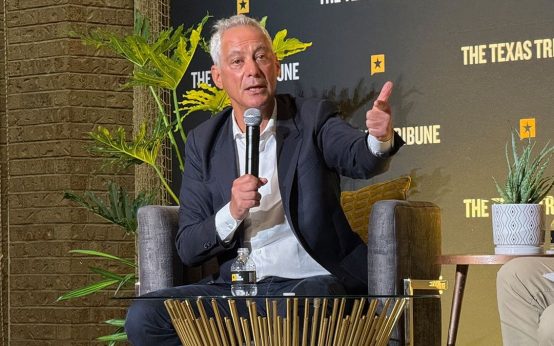 Rahm Emanuel Advises Against Impeaching Trump and Calls for Ethics Reforms