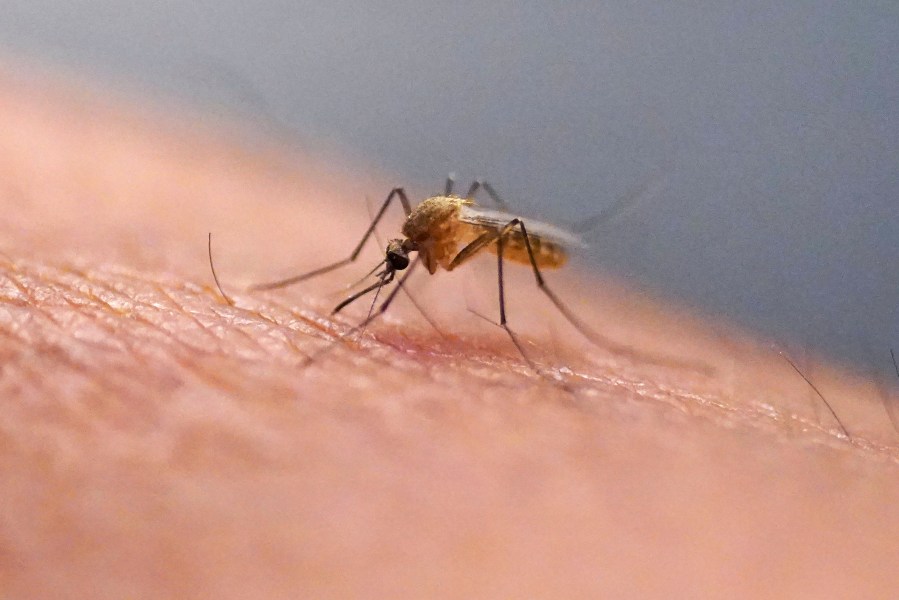
When considering Google’s concept of ‘debugging,’ you might think of software issues. Yet, the tech giant is planning to release up to 32 million mosquitoes in California and Florida. This plan is part of Google’s Debug program. This initiative aims to combat diseases by releasing sterile mosquitoes.
Mosquitoes are a significant threat, as highlighted by the Centers for Disease Control. Among over 3,500 species, the Aedes aegypti is particularly dangerous. It spreads diseases like dengue fever, Zika, and chikungunya, affecting millions annually.
Google’s Debug program identifies mosquitoes as a challenging issue. Most mosquito-borne diseases lack effective vaccines or treatments. Traditional methods, such as pesticides, are becoming less effective and may pose toxicity issues. Moreover, clearing standing water is insufficient to eliminate breeding grounds.
Google Debug’s Innovative Approach
The program’s strategy involves ‘good’ bugs. These are male mosquitoes of the same species that spread disease but are sterile due to Wolbachia bacteria. This bacteria prevents them from reproducing with wild females. Male mosquitoes don’t bite, thus reducing the disease-spreading population over time.
Importantly, this method uses natural bacteria, avoiding chemicals and genetic modifications. Similar techniques have been used for other pests for decades. The Debug team integrates scientific expertise with international partnerships to release these beneficial mosquitoes.
Technology and Data in the Debug Program
Google’s approach leverages data analytics, sensors, and automation to scale the Sterile Insect Technique. Google collaborates with governments, community leaders, and research institutes. Understanding local concerns is crucial before starting their work.
The project requires federal approval to proceed in California and Florida. The Environmental Protection Agency (EPA) is reviewing Google’s Experimental Use Permit applications. Initially, 16 million mosquitoes will be released in Florida, followed by another 16 million in California.
The public can participate by commenting on the proposal via the Federal eRulemaking Portal. Visit www.regulations.gov and use docket identification number EPA-HQ-OPP-2025-3951.
Further information on Google’s Debug program is available on the ‘How we stop bad bugs’ webpage.
Copyright 2026 Nexstar Media Inc. All rights reserved. Material is not to be published, broadcast, rewritten, or redistributed.
 Atlantic Ends September Without a Hurricane for First Time Since 1994
  Bobcat Sightings and Conservation Efforts in Illinois
  2026 El Niño: A Historical Comparison and Future Projections
  U.S. Records Warmest September in History
  Swiss Glaciers Show Effects of Ice Loss Amid Global Warming
  Climate-Resistant Rock Glaciers: Hidden Water Resources