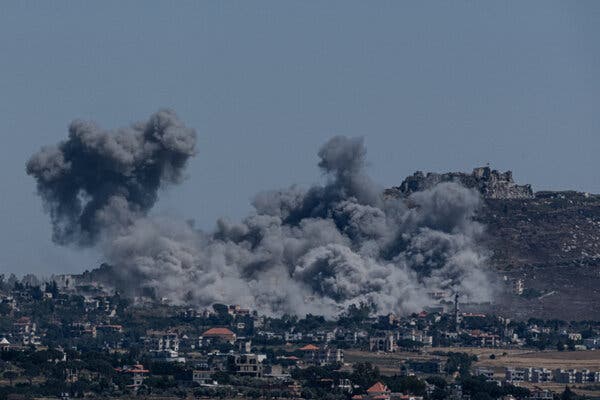
The newly brokered ceasefire agreement in Lebanon faced immediate challenges on Thursday. Despite diplomatic efforts led by the Trump administration, violence persisted.
Ongoing Conflict: Israeli airstrikes targeted southern Lebanon, while Hezbollah continued its rocket attacks. The continuation of hostilities pointed to the fragility of the deal.
Ceasefire Conditions: The agreement relies on Hezbollah halting attacks first, but lacks immediate concessions from Israel. Hezbollah, not part of the negotiations, expressed resistance.
Naim Qassem, Hezbollah’s leader, rejected the terms. He stated the agreement unfairly demands their surrender as Israel’s offensive continues. He insisted any ceasefire should end Israel’s campaign and result in withdrawal from occupied Lebanese regions.
Hezbollah continued rocket and drone assaults on Israeli forces in the border region, while Israeli airstrikes maintained pressure in southern Lebanon. This underscores the deal’s limited impact on military actions and civilian life.
 The Threat of Melting Glaciers: A Call to Action
  Police Discover Ancient Roman Artifacts Off Sardinian Coast
 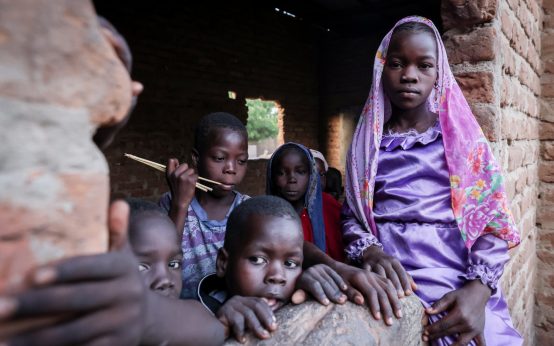 Urgent Need for Action in East Africa’s Food Crisis
  Suspected Plague Death in Siberia Sparks Health Measures
 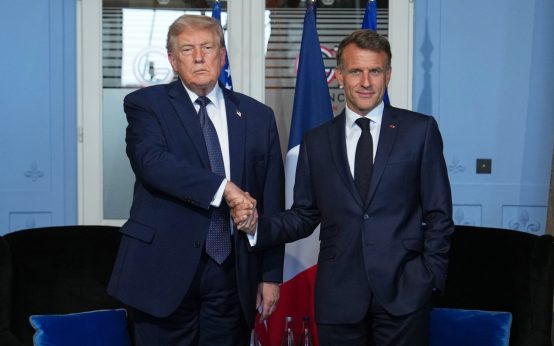 G7 Nations Agree to Release 100 Million Barrels of Oil Amid Fuel Price Surge
  Co-Pilot Attempts Hijack on Flight to Tel Aviv