In April 2026, the indictment of Rubén Rocha Moya, sitting governor of Sinaloa, by the United States marked a significant shift in U.S.-Mexico relations. It triggered debates over sovereignty and political dynamics in Mexico. Previously, Mexico was primarily asked to arrest, extradite, or dismantle cartels. Now, the U.S. sought accountability for political relations with cartels.
Mr. Rocha, a significant figure within Mexico’s Morena party and an ally of former President Andrés Manuel López Obrador, faces accusations of facilitating drug trafficking and receiving protection money from cartel members. Allegations extend to his 2021 gubernatorial win aided by the Sinaloa Cartel. Mr. Rocha denies these charges, but the implications go beyond him, challenging Mexico’s political integrity and causing tensions with Washington.
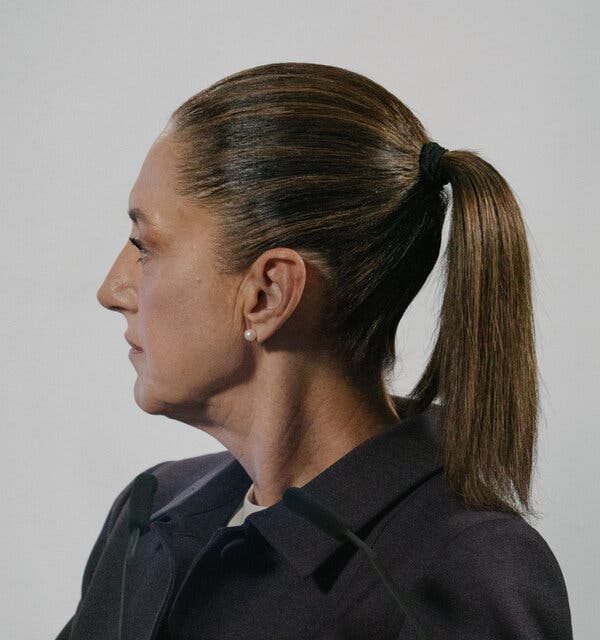
This scenario presents President Claudia Sheinbaum with complex choices. Extraditing Mr. Rocha or withdrawing his political support could expose internal party conflicts and suggest submission to U.S. pressure. Conversely, inaction could reinforce U.S. skepticism regarding her stance on cartel corruption. However, this predicament offers Sheinbaum an opportunity to address cartel influences within her party and the broader political landscape.
Narcopolitics in Mexico
Cartel influence in Mexican politics is not new. The democratization process in 2000 disrupted the former political structure, leading to fragmented power, which cartels exploited to corrupt political campaigns and infiltrate local governance. The militarized crackdown against cartels starting in 2006 targeted the groups but neglected the political entities that enabled their operations, leading to massive casualties.
Morena, established by López Obrador and currently led by Sheinbaum, emerged promising change from past violence. López Obrador’s approach, encapsulated by “hugs, not bullets,” aimed to reduce violence through social programs and avoiding armed confrontations. However, critics argue this strategy inadvertently empowered cartels by allowing them greater societal and territorial control.
Amid increasing U.S. pressure, including possible tariffs and criminal action, Morena faces scrutiny regarding its integrity. The situation questions whether the party can overcome the narco-corruption it vowed to eliminate.
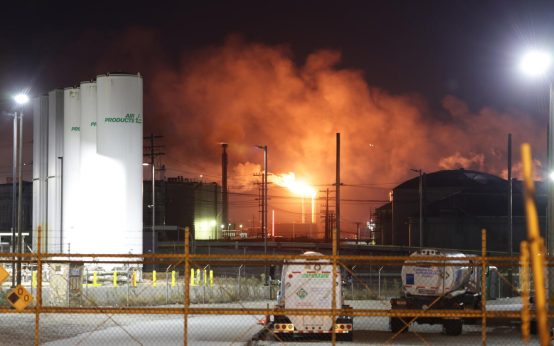 Supreme Court’s New Term Tackles Climate Liability and Key Legal Battles
 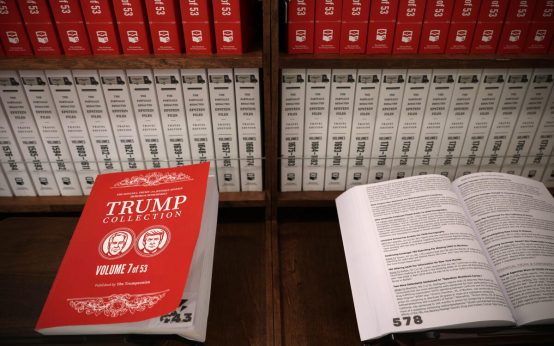 Midterm Elections: A Potential Turning Point
  Andy Burnham’s Approach to Address UK’s Economic Stagnation
 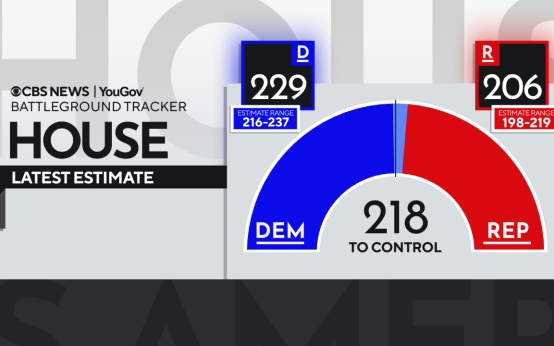 Midterms 2026: Key Insights and Voter Perspectives
  Trump’s Influence on Executive Power and the Response
 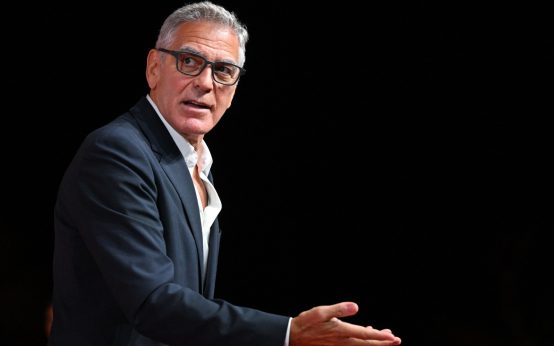 George Clooney Observes Democratic Figures Ahead of 2028 Election