
The decline in residential psychiatric treatment options for youth is a growing concern that needs urgent attention to prevent juvenile detention from becoming a default response. Joshua Beasley Jr.’s tragic story highlights the critical need for change.
Joshua entered the juvenile justice system in Texas at the age of 11 in 2018, following several misdemeanor offenses. These included incidents like kicking a school safety officer and spitting on a police officer. Initially considered a low-level juvenile case, it escalated over five years into secure custody as his behavior worsened and new charges were added.
During this time, Joshua engaged in serious self-harm and made numerous suicidal gestures and attempts. Ultimately, he was transferred to adult prison, where his life ended by suicide in 2023 at the age of 16.
This case exemplifies the urgent need for states to enhance residential psychiatric treatment options for youth. Without intervention, juvenile detention risks becoming the only option available, leading to more tragic outcomes like Joshua’s.
 Increased Funding Needed for Psychiatric Hospitals
  Trump Administration Distributes ACA Refund Checks
  Higher Consumption of Ultra-Processed Foods Linked to Increased Health Risks
 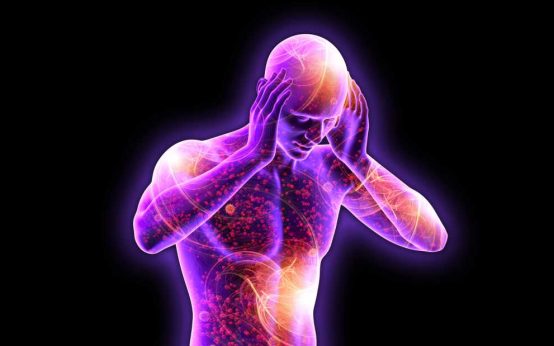 Understanding Inflammation: Myths and Facts
 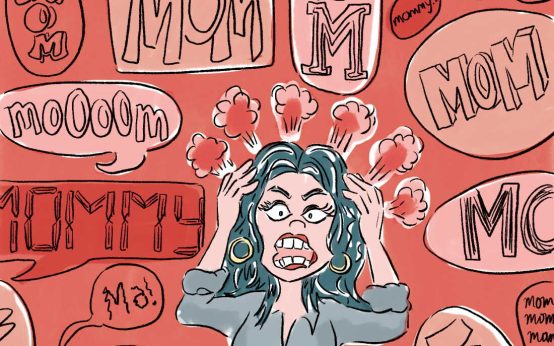 Calm Parenting: Strategies to Manage Stress
 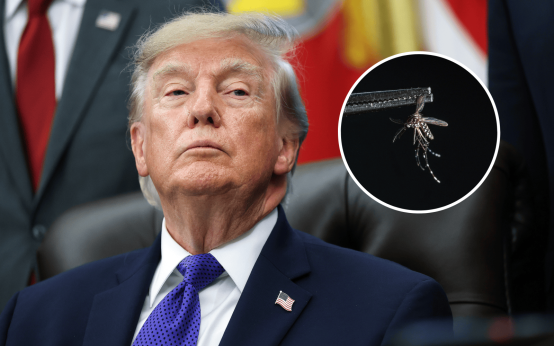 Trump’s Executive Order to Combat Mosquitoes and Ticks in D.C.