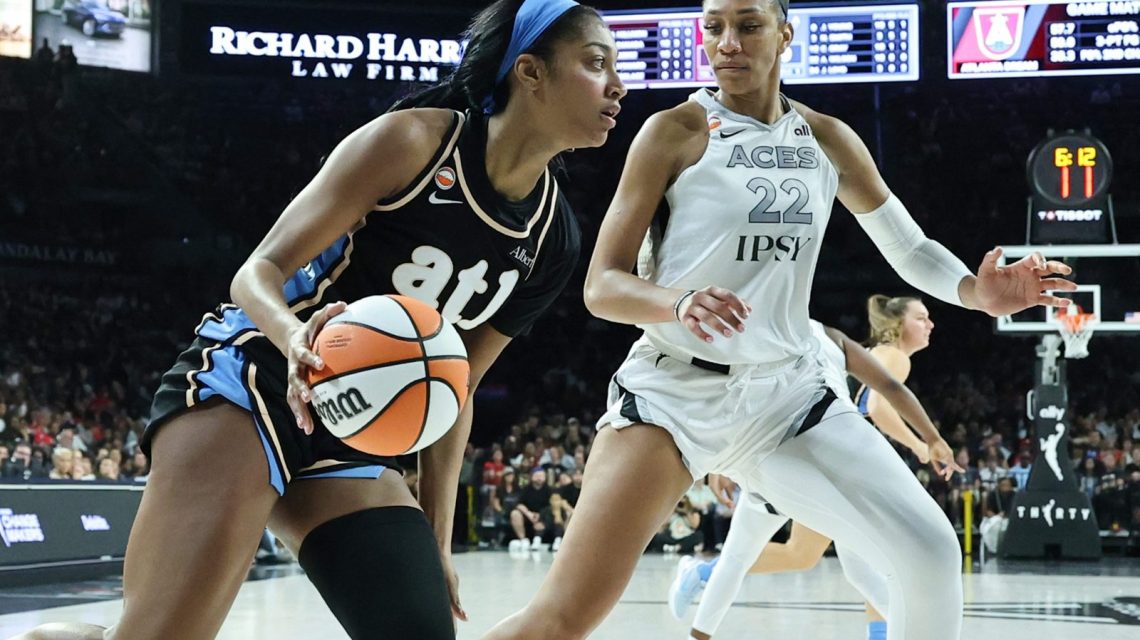
As a primary care sports medicine physician for the New York Liberty and a former Division I athlete, I have encountered numerous sports injuries. Injuries are a natural part of an athlete’s journey, requiring attention to prevention, treatment, and recovery. Interest in women’s sports is growing, yet significant gaps remain in how sports medicine addresses treatment for women. There is a pressing need for more investment in women’s sports science, which would improve outcomes for elite athletes and enhance care for women and girls within the healthcare system.
Historically, women have been underrepresented in medical research. Inclusion only became mandated by Congress in the 1990s. Before that, medical trials rarely featured women. In the 1970s, the FDA recommended excluding women of childbearing age. Many researchers—mostly male—viewed male bodies as standard, assuming that results from all-male trials applied universally. However, women have distinct anatomical and physiological differences affecting their response to physical activity, particularly as they age. I’ve observed these differences firsthand.
Consider the frequent sports injury: a torn anterior cruciate ligament (ACL). Women are more susceptible than men to ACL tears. In basketball, women are over three times more likely to suffer ACL tears, often without direct contact to the knee, resulting from movements like landing and pivoting.
Women possess a wider pelvis and hips, altering the biomechanical forces exerted on their knees.
This anatomical difference can increase injury risk without tailored prevention strategies. Hormones also influence ligament integrity and laxity. Additionally, women often rely more on their quad muscles when landing, rather than distributing force through the glutes, hamstrings, and hips. This pattern puts extra stress on the knee and strains the ACL.
The ACL is just one example. Women frequently experience significant hormonal and bodily changes that impact their movement. I’ve previously discussed how pregnancy influences women’s movements, suggesting that personalized approaches are essential for postpartum recovery.
Menopause is another stage inducing musculoskeletal changes. As estrogen levels drop, muscle mass and bone mineral density decrease, elevating the risk of osteoporosis. Women can lose around 2 percent of bone mass annually before menopause, and at least 3 percent afterward, which raises the likelihood of tendon injuries and stress fractures.
Today, women engage in high-intensity sports for longer durations, both professionally and recreationally. Our understanding must grow to support their injury prevention and longevity. Despite increased participation, only about 6 percent of sports research focuses on women, primarily younger athletes. As women compete longer, healthcare providers need evidence-based approaches tailored to women’s anatomy and physiology.
Now is the moment to advocate for more research and funding. Women’s sports are reaching new heights of popularity. Media coverage tripled to 15 percent in 2024. Young basketball talents like Caitlin Clark and Angel Reese are boosting viewership and demonstrating the worth of women’s sports. This momentum should drive research to equip doctors with knowledge to safeguard women’s health throughout their athletic careers.
Veterans like Sue Bird and Diana Taurasi, who extended their WNBA careers into their 40s, lacked women-specific studies to support their training and prevent injuries. The benefits of such research are not limited to elite athletes. It will provide doctors nationwide with crucial tools for maintaining women’s health and activity at every life stage. We are entering a pivotal era for women’s sports, necessitating advancements in women’s medicine to follow suit.
Dr. Ashley Austin serves as a Primary Sports Medicine Physician at the Women’s Sports Medicine Center at the Hospital for Special Surgery (HSS) in New York City. The opinions conveyed herein are those of the author.
 Stephen A. Smith Discusses Houston Texans’ Critical Matchup Against Dallas Cowboys
  CC Sabathia Anticipates Yankees’ Game 1 Pitcher for ALDS After Beating Red Sox
  Atlanta Dream Progress to WNBA Semifinals
  Los Angeles Lakers Focus on Defense in Luka Doncic Era
  Los Angeles Chargers Face Criticism Amid Team’s Poor Start
  White Sox’s Pope Hat Promotion Shines Amid Playoff Push