
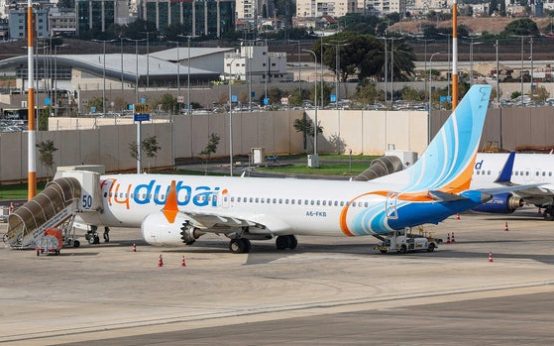
This summer, you may need to rethink vacation plans. Destinations such as Dubai and other parts of the United Arab Emirates remain largely inaccessible. The ongoing U.S.-Israeli conflict with Iran has made these locations off-limits.
In North America, travel options are shrinking too. Air Canada has decreased flights between New York City’s Kennedy International Airport and cities like Toronto and Montreal. Higher fuel costs are a primary cause. Additionally, Canadian tourists are avoiding the U.S. due to diplomatic tensions spurred by former President Trump’s actions.
Domestic air travel is also feeling the pinch. Cirium, an aviation analytics firm, reports that major airlines have scaled back their seat availability. United Airlines, for instance, reduced its seats by 4.8%. The closure of low-cost Spirit Airlines, prompted by rising fuel costs, further reduced seat availability by 2 to 3%.
Expect rising fare prices too. With the increased fuel costs since the conflict began, airlines are passing expenses onto customers. This pricing might lead to fewer passengers choosing to fly, prompting even more flight reductions. U.S. airlines forecast an extra $25 billion in jet fuel expenses in 2026, surpassing their combined profits for 2024 and 2025.
The repercussions will likely stretch into late 2027. Even if Middle Eastern oil production resumes soon, restricted jet fuel supplies and heightened costs will persist.
Inefficiencies exacerbate fuel wastage in airlines. Inefficient scheduling adds time and complexity to flights and burdens the air traffic system. The Federal Aviation Administration (FAA) faces similar hurdles. A shortage of controllers and outdated infrastructure complicate operations. Even before the Iran conflict, airports like Newark and LaGuardia cut summer schedules due to staffing shortfalls. More recently, safety concerns led the FAA to reduce over 300 daily flights at Chicago’s O’Hare Airport.
Europe encounters its own challenges with fuel shortages reaching about 500,000 barrels daily. The region depends on Persian Gulf imports for much of its jet fuel. Current reserves, enough for two to three weeks, fall short of summer needs. European airlines, including low-cost long-haul carriers like Norse Atlantic, are cutting flights by 5%. Asia-Pacific carriers are making reductions too.
 British Police Arrest Man Suspected of Terror Plot
  Activists Push for Nationwide Ban on Child Marriage in the U.S.
  Investigation into Alleged Incident at Cornell University
  Rising Drone Threats Highlight Vulnerabilities in Moldova’s Airspace Defense
  Bolivia Faces Security Test Amid Unrest
  Incident on FlyDubai Flight Raises Security Concerns