The Impact of AI Companions on Dating and Intimacy
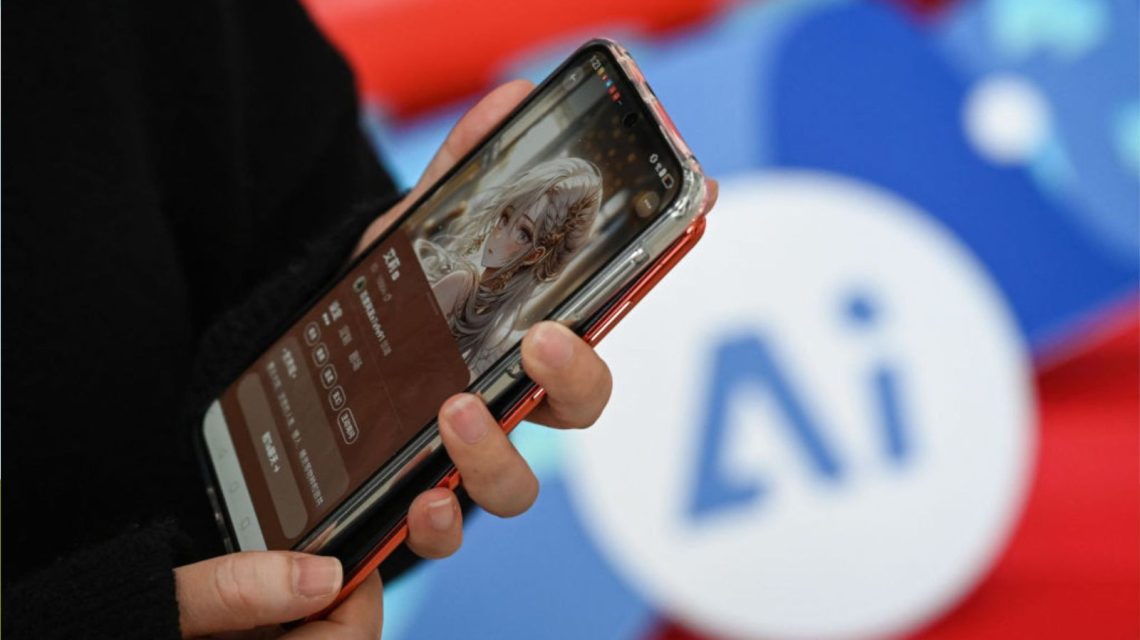
Artificial intelligence is influencing how Americans date. Therapists warn that AI companions could affect connections and intimacy. Known as ‘AI girlfriends’ or ‘AI partners,’ these virtual companions reduce emotional risks compared to real relationships.
A Vantage Point Counseling study found 28.16% of U.S. adults have had at least one intimate relationship with AI. More than half report some interaction with AI systems. For the younger generation, this trend alarms therapists.
Alexandra Cromer, a licensed professional counselor, points out that AI companions offer a fantasy, not grounded in real interpersonal connections.
Why It Matters
AI romance may alter how people experience connection and what they expect from relationships. AI companions offer responsiveness, agreement, and availability. This can seem satisfying short-term but might distort expectations of real partners.
What To Know
AI partners simulate connection without unpredictable human behavior. They provide immediate responses and constant availability. Dr. Michael Salas emphasizes that AI partners simplify connections by removing fear of rejection.
People control tone and personality of their AI companions, reducing risks of rejection or conflict.
Cromer warns this creates one-sided relationships, which are unhealthy for human dating.
A Shift in Dating Expectations
AI partners might seem easier but create issues for real-life relationships. Salas explains, dating teaches that attraction isn’t control. Real-world dating can feel difficult compared to AI’s perfect interactions.
Human relationships involve mismatched expectations and emotional discomfort. Therapists say these help build relational skills.
Bryan Driscoll warns that tolerance for real relationship messiness may erode if emotional needs are met by AI.
AI might smooth over challenges, and compare real partners to designed responses, making intimacy seem flawed.
A Trend Beyond Single People
AI romance is not exclusive to lonely individuals. Vantage Point study found people in committed relationships also explore AI intimacy. 53.34% of those engaging with AI are successful in committed human relationships.
Salas suggests couples question emotional or sexual intimacy beyond physical actions.
Youth and AI Relationships
Teenagers are significantly experiencing AI relationships. A Vantage Point poll shows 72% of U.S. teens have used AI companions, with one in three using them for social interaction.
Salas notes AI might feel safer to teenagers as it responds quickly and without disappointment.
This may limit teens’ development of real-world social skills, potentially causing increased isolation and frustration with dating, warns Cromer.
Future Perspectives
AI companion platforms are expanding, with millions using chatbots for friendship and romance.
Driscoll anticipates a generation fluent in non-demanding relationships struggling with demanding ones. A society outsourcing connection faces engagement and retention challenges.
 Trump Family Celebrates Grandmother’s 100th Birthday
  Ella Langley’s Hunting Passion and Internet Controversy
  Voice Disorders Linked to Increased Dementia Risk, Study Finds
  Ibogaine Treatment Travel: Americans Seeking Alternatives Despite Risks
  Late-Night Uber Ride Raises Concerns Over Passenger Safety
  Gen Z College Students Opt for Online Learning at Home