On Monday, Asian markets showed a mixed performance. In Japan and South Korea, selling pressure on artificial intelligence-related shares led to decreases in their benchmarks. However, gains in other sectors helped to balance these losses.
U.S. futures advanced alongside a rise in oil prices, although these remained near their levels before the onset of the conflict with Iran in late February. Over the weekend, tensions rose as Iran launched fresh drone and missile attacks on Bahrain and Kuwait in retaliation for new U.S. airstrikes. This escalation added uncertainty to the global economic outlook.
Market Performance
Japan’s Nikkei 225 dipped 1% to 68,704.70, having previously fallen by 4.2% on Friday. SoftBank Group, which invests in OpenAI, dropped 5.9% following a 12.5% fall on the previous trading day. South Korea’s Kospi declined 2% to 8,246.50, after a substantial 5.8% slide on Friday. Samsung Electronics and SK Hynix, major tech firms, saw decreases of 6% and 4.5%, respectively.
Taiwan’s Taiex gained 1.1%, bouncing back from a 3.6% decline on Friday. Its recovery was aided by interest in its tech companies, including chipmaker TSMC, which are beneficiaries of the global AI boom. Concerns about AI valuations have moderated some previous gains in Japan and South Korea, where demand for high-value components in AI fueled market growth.
Regional Indices
Other Asian markets demonstrated stronger performances. Hong Kong’s Hang Seng rose 2.1% to 23,153.89, and the Shanghai Composite index increased slightly by 0.2% to 4,034.08. Australia’s S&P/ASX 200 climbed 0.4% to 8,798.00. India’s Sensex showed little change.
On Friday, Wall Street faced AI-related concerns, though results were mixed. The S&P 500 recorded a minor loss of less than 0.1% to 7,354.02, while the Nasdaq composite fell 0.2% to 25,297.62. The Dow Jones Industrial Average dipped 0.1% to 51,876.11. Major tech stocks such as Micron Technology, Intel, Nvidia, and AMD saw declines ranging from 1.6% to 6.7%.
Oil Market Reaction
Early Monday saw Brent crude rise by 0.7% to $73.27 per barrel from about $72 before the conflict started. U.S. crude surged 0.8% to $70.02 per barrel. Warren Patterson and Ewa Manthey of ING commodities noted that the U.S.-Iran standoff poses risks to the oil market. They warned that traders may be overly optimistic about a swift recovery of supplies in the Persian Gulf, emphasizing the significant upside risk if supply restoration proves slow or re-escalation occurs.
Currency Values
In currency exchange, the U.S. dollar increased to 161.81 Japanese yen from 161.71 yen. The euro remained stable at $1.1386.
 Bolivia Faces Security Test Amid Unrest
 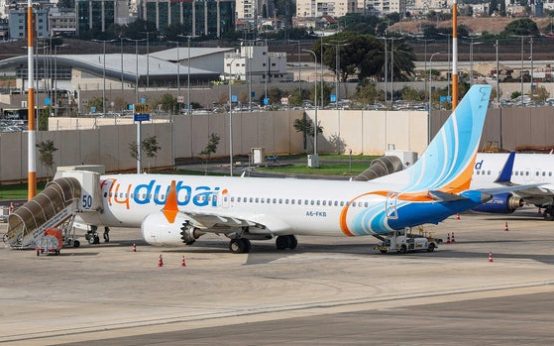 Incident on FlyDubai Flight Raises Security Concerns
  Journalist Gershkovich Discusses Wrongful Detention and Release in Russian Prisoner Swap
  Pakistan Airstrikes in Afghanistan: Civilian Casualties Reported
 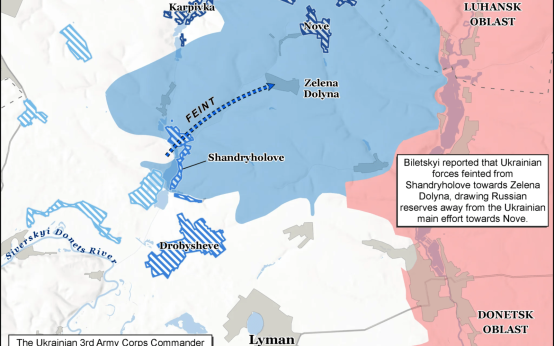 Ukraine Converts APCs to Explosive Devices in Donetsk Offensive
 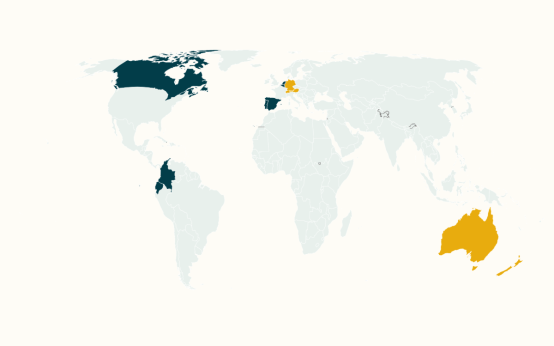 Dutch Review Board’s Euthanasia Ruling and International Debate