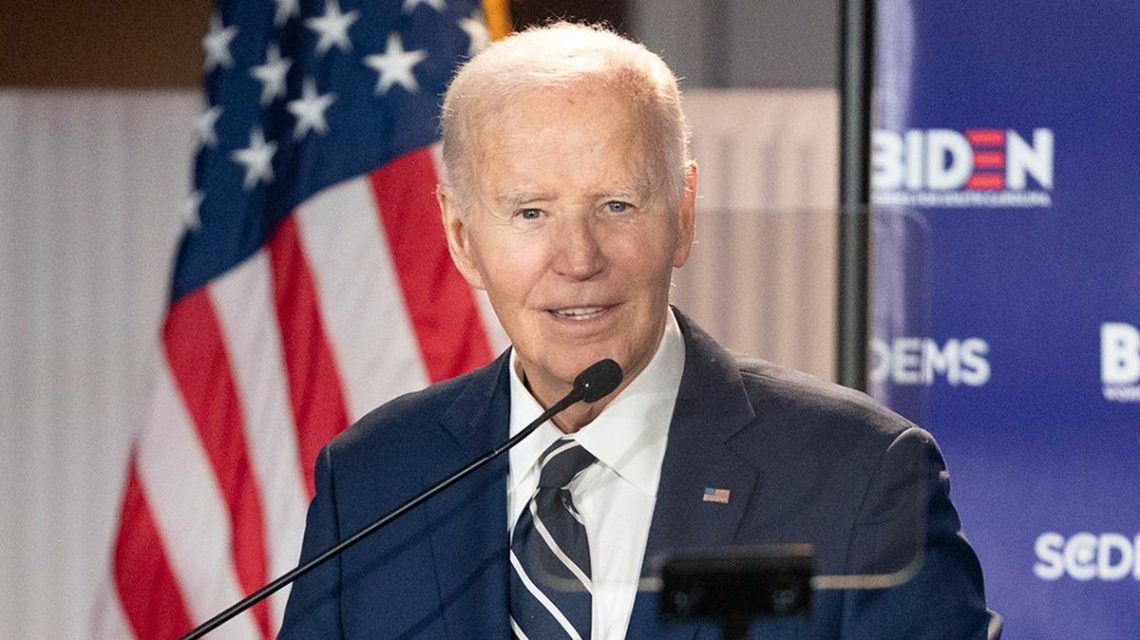
Former President Joe Biden has secured an additional three weeks to prevent the release of audio recordings and transcripts connected to Special Counsel Robert Hur’s investigation into classified documents. A federal judge provided a temporary injunction as a federal appeals court reviews Biden’s challenge.
The recordings originate from Biden’s discussions with Mark Zwonitzer, the ghostwriter of his 2017 memoir, “Promise Me, Dad.” U.S. District Judge Dabney Friedrich issued an injunction pending appeal that stops the Justice Department from releasing the materials. This decision came shortly after Friedrich denied Biden’s request for a preliminary injunction to completely halt the release.
This legal conflict may decide if the public will hear the recordings that influenced Hur’s decision not to prosecute Biden for his handling of classified materials. The recordings have drawn attention because Hur questioned Biden’s memory regarding the decision not to charge him.
The Justice Department previously shared audio from Biden’s interviews with Hur, but the current dispute involves different conversations between Biden and Zwonitzer. Hur’s 2024 report frequently cited Biden’s recorded dialogue with Zwonitzer, characterizing some as “painfully slow” and noting Biden sometimes had difficulty recalling events, sparking concerns about his cognitive state during an election year.
Biden’s legal team swiftly sought emergency relief after the denial of the preliminary injunction to maintain the status quo while the appeal is underway.
The Heritage Foundation and its Oversight Project director, Mike Howell, have pursued the recordings and transcripts through FOIA requests. The foundation argues the public should review materials Hur referenced, especially since the special counsel used the recordings in his rationale for not filing criminal charges.
Biden’s attorneys, in an emergency filing, contended that disclosure before appellate review would render the case irrelevant. They emphasized privacy protections would be irrevocably lost with the release. The FOIA litigation has been ongoing for over two years, and Biden’s legal team claimed no urgent public interest demands immediate disclosure of past conversations with his ghostwriter. Notably, Biden is now a private citizen and is not seeking public office.
Initially, the Justice Department withheld the recordings, citing several FOIA exemptions. However, they later decided the records could be released with redactions due to significant public interest in understanding Hur’s investigative evidence. When the department announced plans to disclose the recordings, Biden sued to prevent this, arguing the tapes contain private discussions protected by the Privacy Act.
Amy Jeffress, leading Biden’s legal team, is from the firm Hecker Fink and a former Justice Department official. She has been instrumental in the legal strategy against the recordings’ release. Jeffress’s marriage to Judge Christopher Cooper, an Obama appointee, has attracted attention. Critics of Cooper’s rulings highlight the connection to Jeffress, suggesting potential conflicts.
 New Jersey Voter Fraud Prompts Renewed Push for SAVE Act
  Concerns Over Changes to Voter-Registration Form for Americans Abroad
  Trump’s 2024 Campaign Targets Young Men Through Cryptocurrency
  Trump’s White House Visitor Center Proposal Gains Bipartisan Support
  State Department Simplifies Passport Process with Online Applications
 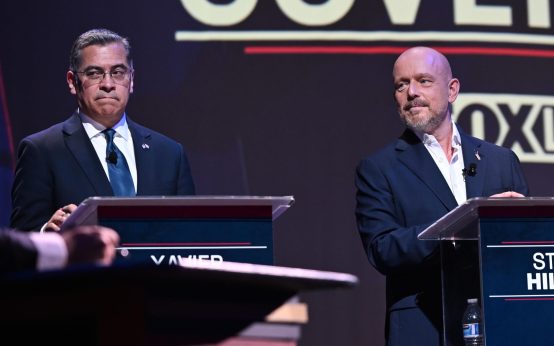 Becerra and Hilton Clash in California Gubernatorial Debate