LONDON — Brexit has fractured the European Union and disrupted British politics. Since the vote on June 23, 2016, when the UK decided by 52%-48% to leave the EU, seven different prime ministers have assumed office. Each has struggled with the aftermath of the decision.
Conservative Prime Minister David Cameron, who campaigned for the UK to stay, resigned immediately after the referendum. Today, Labour Prime Minister Keir Starmer is stepping down. His resignation comes after two years defined by a sluggish economy, malfunctioning government, and a divided electorate—issues partially rooted in Brexit.
“The subterranean trace of Brexit” still runs through Britain’s politics, according to academic Chris Grey. Though no longer front-page news, Brexit’s impact can be felt in daily governance.
The Narrative of Brexit
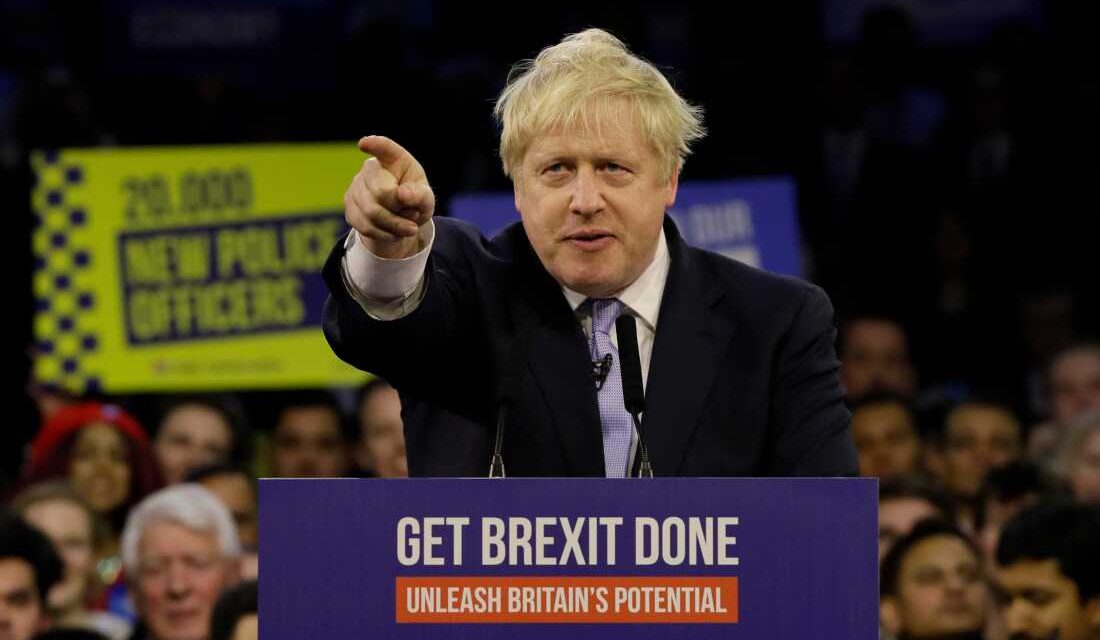
Brexit campaigners promised control over laws, economy, and borders. The “leave” campaign was emotive, while the “remain” campaign emphasized economic risks. Before the referendum, Boris Johnson, a key Brexit advocate, described it as an opportunity to seize a once-in-a-lifetime chance.
Margaret MacMillan, emeritus professor of history, explained that Brexit was driven by nostalgia and opposition to perceived unrestricted immigration and EU regulations. The implications of Brexit were never clearly outlined, she noted.
Realities and Outcomes
Brexiteers’ promises of immigration controls, trade deals, and public service funds unsettled by harsh realities. Prolonged and acrimonious divorce talks preceded the UK’s formal exit on January 31, 2020. Cameron’s successor, Theresa May, resigned after failing to negotiate satisfactory exit terms.
Johnson, succeeding May, vowed to “get Brexit done” and secured a minimal trade agreement. His term ended amidst scandals. Liz Truss, succeeding Johnson, lasted only 49 days. Rishi Sunak improved EU relations but without substantial changes. Starmer’s “reset” avoided rejoining the EU’s single market.
Political Parties and Public Sentiment
Historian Anthony Seldon stated Cameron’s intention was to resolve Conservative Party conflicts over Europe. However, division remains. Pro-EU Labour also grapples with internal splits between factions.
Voter dissatisfaction has seen millions exit the main parties for alternatives like the Green Party and Reform UK. Nigel Farage, leader of Reform UK, has benefited politically since Brexit, consistently leading opinion polls.
Increased Cynicism and Violence
Over the past decade, economic hurdles and increased trade barriers have marked the UK. Global factors like COVID-19, the Russia-Ukraine conflict, and the Iran war have also influenced this. Hannah White from the Institute for Government remarked that politicians have failed to communicate reality about taxes, debt, and public services.
Net migration initially surged to 900,000 post-Brexit before declining to 171,000. Cynicism has grown alongside political distrust. Anti-immigration street violence, fueled by misinformation, is increasingly common. Chris Grey noted diminished barriers between conventional politics and street violence, largely resulting from Brexit.
Brexit Regrets and Protests
Recent Ipsos polls show 52% of Brits support rejoining the EU, while 33% oppose. A recent “rejoin” march highlighted lingering public sentiment, albeit with reduced turnout compared to the height of Brexit protests.
Brexit remains a challenging issue. Politicians avoid its complexities. Should the UK attempt to rejoin, it faces potential resistance from the EU. Grey commented on Britain’s “undertow of low-grade crisis,” describing it as a chronic issue, but not necessarily untreatable if addressed.
 Dutch Review Board’s Euthanasia Ruling and International Debate
  Israeli PM Commends Heroic Actions in Flight Emergency
  Rabbi and Jewish Leaders Criticize Adam Brody for ‘Genocide’ Comment
  Flydubai’s Emergency Landing Highlights Cockpit Security
  Former Israeli PM Naftali Bennett Commends Passengers and Crew for In-Flight Heroism
  Diplomatic Complexities Unfold at U.S. National Archives Visit