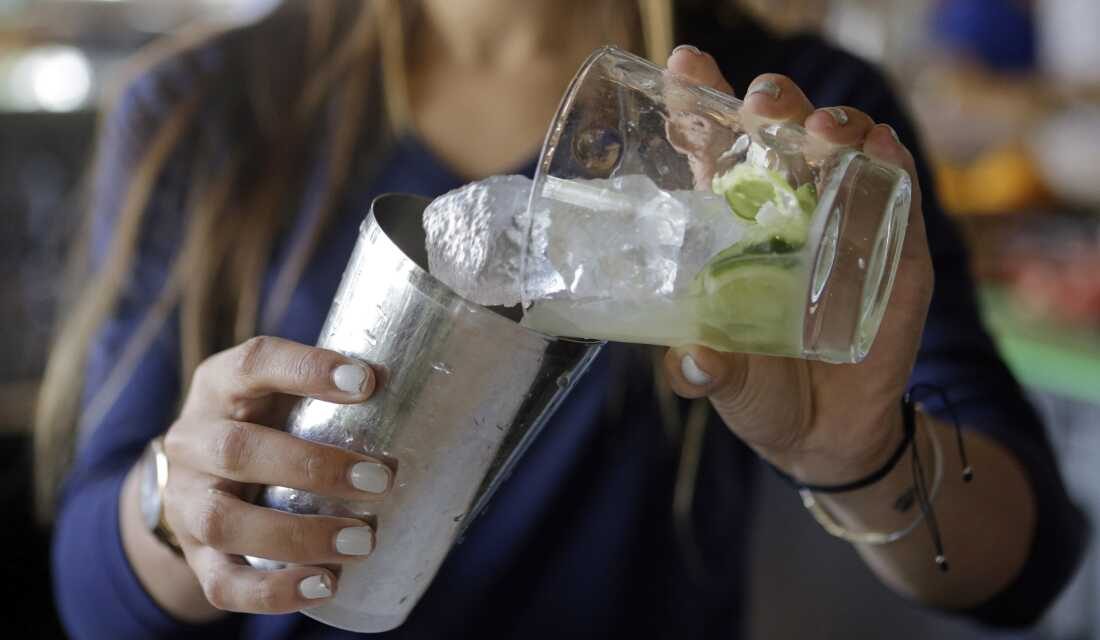
Bartender Rafaella Demelo prepares a caipirinha by blending sugar, 1.5 ounces of Leblon, and half a lime over ice in a shaker. This cocktail is emblematic of Brazil. Photographer Alan Diaz captures this process vividly.
Rio de Janeiro, Brazil—Recent developments in trade relations have brought Europe and South America closer. The Trump administration’s tariffs served as a catalyst. For Brazil’s cachaça producers, this change represents a significant business opportunity.
“I think growth will be immense,” expressed Assja Schymura from Pindorama distillery. “If we can only get over these initial barriers.”
Cachaça, a liquor made from sugarcane, is the base for Brazil’s popular cocktail, the caipirinha. This spirit has received accolades in European contests yet struggled to penetrate the market due to high import taxes and limited consumer awareness.
In May, the European Union and Mercosur advanced a trade agreement. Mercosur includes Brazil, Argentina, Uruguay, and Paraguay and aims to reduce tariffs on numerous goods, including cachaça. Though Bolivia joined Mercosur after much of the deal’s negotiation, it’s expected to participate soon.
This deal progressed due to mutual impacts from U.S. tariffs. “Unpredictable relations with the United States tend to lead to seeking additional partners,” noted former Brazilian trade official Roberto Jaguaribe.
The EU-Mercosur agreement extends beyond trade. It requires members to support democratic institutions and adhere to the Paris climate agreement. With the U.S. stepping back from these global initiatives, the agreement gains added significance.
New dynamics have fueled further dialogues. At a recent Brazil conference, Finnish diplomat Anna-Kaisa Heikkinen stressed the importance for nations to collaborate within the international order.
Despite improved relations, there are trade disagreements. European agriculture representatives fear cheaper imports and have prompted a review by the EU Court of Justice, with potential changes expected in two years.
Mercosur is negotiating additional trade agreements beyond the EU, including with Canada, Japan, and the UAE. This marks a departure from Brazil’s traditionally high tariffs, partially driven by trade pressures and pandemic-related shortages.
Larissa Wachholz, a former Brazilian official, commented that these shocks signal “a very important moment of change” in trade policies. She doesn’t foresee a return to heavy protectionism.
The directors of Pindorama cachaça highlight another advantage of increased trade: cultural exchange. Creative director Rafael Daló emphasized that understanding cachaça involves learning about the Brazilian forests, adding depth to Brazil’s global narrative.
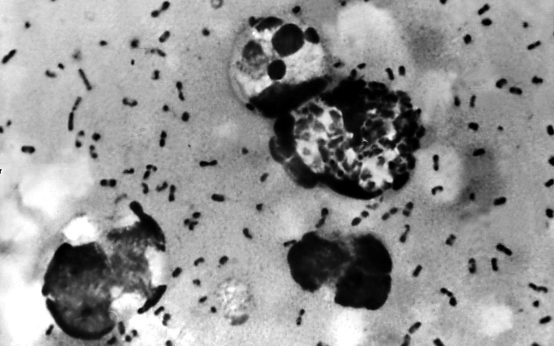 Suspected Plague Death in Siberia Sparks Health Measures
 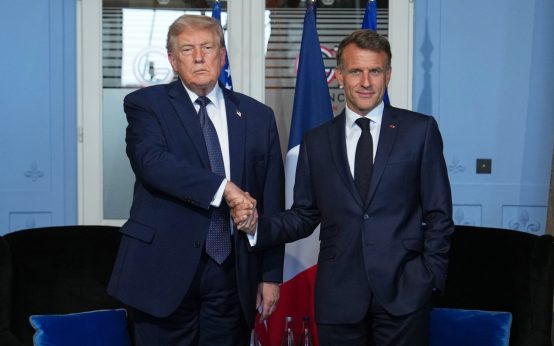 G7 Nations Agree to Release 100 Million Barrels of Oil Amid Fuel Price Surge
  Co-Pilot Attempts Hijack on Flight to Tel Aviv
 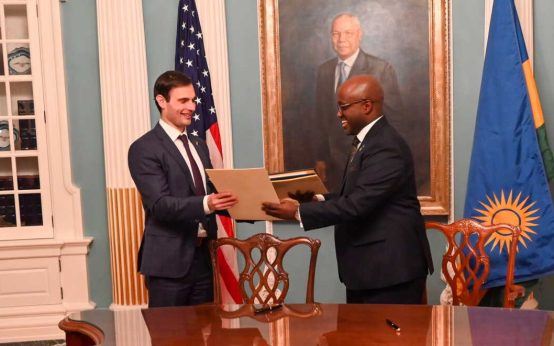 U.S. Revises Global Health Aid with New Strategy
 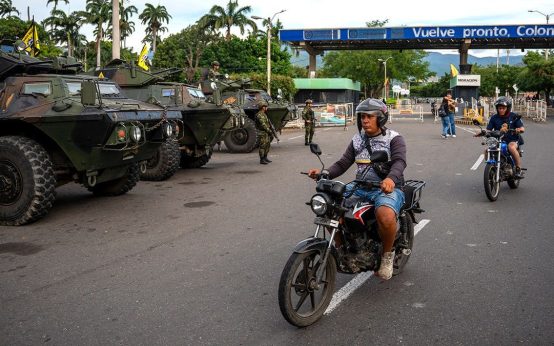 U.S. Warns Against Travel to Colombia’s Norte de Santander Due to Security Threats
  Reflections on 30 Years at Fox News