In the second quarter, oil companies and refiners in California experienced significant earnings, prompting some state legislators to consider measures against industry profits. Marathon Petroleum, the state’s second-largest refiner, announced a profit of $5.1 billion, a stark increase from the previous year. Similarly, Chevron reported quarterly earnings of $12.1 billion, marking its highest in over six years. Companies like PBF Energy and Valero also reported substantial gains, with Valero seeing a fivefold increase in profits.
State Senators Josh Becker and Benjamin Allen have introduced a bill permitting the state attorney general to prosecute price gouging during wartime. Becker emphasized the exorbitant nature of these profits and the need for oversight. Chevron attributed its performance to global operations and increased energy production.
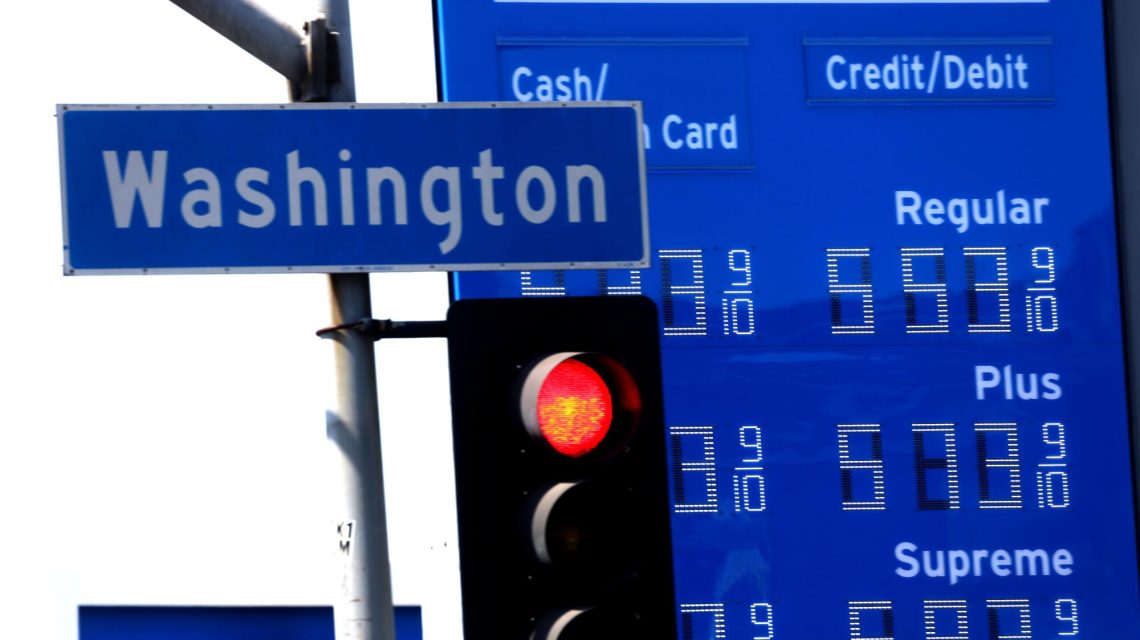
The rise in profits coincided with increased fuel prices, which have burdened drivers, especially in California where prices are consistently high. These increases have led some legislators to propose changes to the state’s fuel requirements. State Sen. Henry Stern suggested selling regular gasoline could lower prices and proposed charging fees to support electric vehicle incentives. Critics argue such measures could disincentivize in-state production.
The Western States Petroleum Association opposes these efforts, arguing they would destabilize the market and fail to improve fuel affordability. They also contest Becker’s bill, which aims to include war as a condition under price-gouging laws. These laws restrict price hikes above 10% during specified emergencies.
Research by Consumer Watchdog found California gas prices often exceed national averages, supporting Becker’s concerns about potential price gouging. However, the California Energy Commission disagrees, attributing price rises to broader national trends. It reported higher costs at branded gas stations compared to unbranded ones, with Chevron stations leading in prices.
A federal lawsuit has accused several gas chains of using AI to maintain high pump prices. The Western States Petroleum Association justified higher branded gas costs with factors like real estate and proprietary additives. They argue that a premium for branded products is normal. The association also warned that capping profits could deter imports and lead to shortages.
At a national level, Democrats in Congress, including California’s Sen. Adam Schiff and Rep. Brad Sherman, have introduced bills targeting windfall profits. Both Stern and Becker’s bills face scrutiny in the state Assembly Appropriations Committee.
Jamie Court from Consumer Watchdog supports Becker’s proposal, highlighting the significance of a 2022 law enabling the California Energy Commission to cap refinery profits. Court noted potential savings if a $1 per gallon cap had been enforced post-war.
The shuttering of refineries and hesitance around regulating facilities before electric vehicle proliferation has delayed the law’s application. The Commission continues to evaluate refining margins and their effects.
Despite spending over $17 million on lobbying this year, the oil and gas industry shows ties between global profits and refining challenges. California refinery closures and crude availability impact this issue, and profitability is forecasted to remain high. Many companies choose to retain windfall profits rather than reinvest, according to experts like Tom Ellacott from Wood Mackenzie.
 Swiss Glaciers Show Effects of Ice Loss Amid Global Warming
  Climate-Resistant Rock Glaciers: Hidden Water Resources
  Senators Reach Bipartisan Agreement on Permitting Reform
  Experts Warn of Critical Period for the Colorado River
  Future Cities: Ambitious Projects Aiming for Innovation and Sustainability
  Supreme Court Case Suncor vs. Boulder: Implications for Accountability in Climate Change