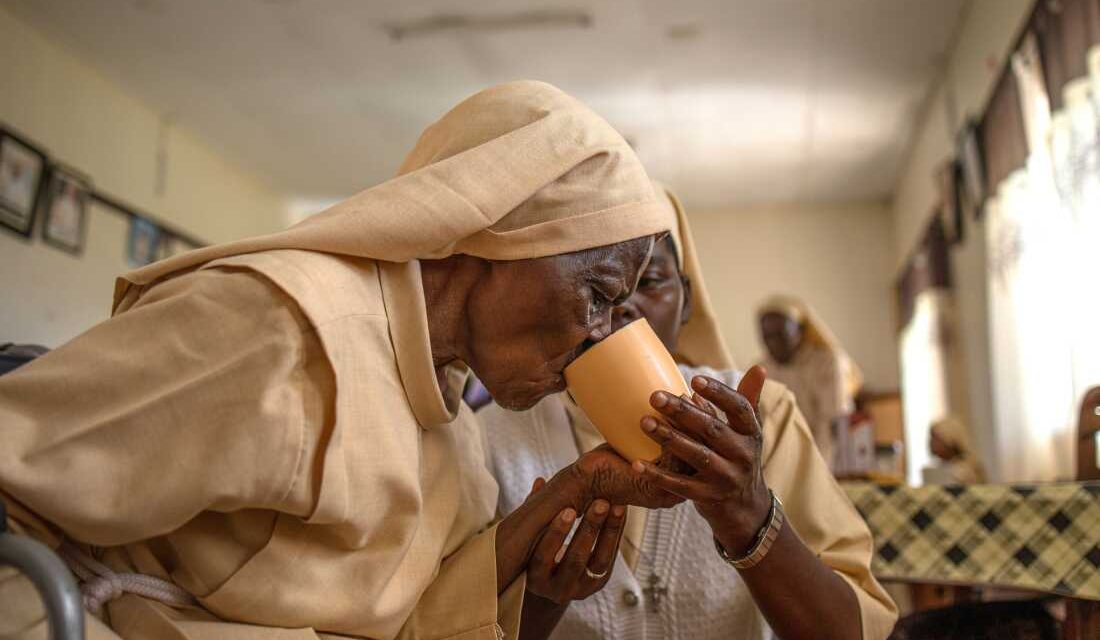
In Nkokonjeru, Uganda, Sister Mary Consolata Nakawooja helps an elderly nun at the Little Sisters of St. Francis as she takes tea. This care is emblematic of the challenges faced by aging nuns in the region. Sister Jane Frances Nakafeero walks through the cemetery of the convent, remembering the varied roles that each nun fulfilled – a nurse, a teacher, a social worker, a doctor. The community begins and ends in this sanctuary, where both aspiring and retiring nuns find their home.
The convent cares for retired nuns and struggles with limited resources for their needs. Basics like adult diapers, wheelchairs, and hearing aids are lacking. Nakafeero’s concern is echoed across African orders, which receive less funding than their American and European counterparts.
Palliative Care Introduction
Palliative care, offering medical and emotional support at life’s end, is a newer concept, especially within the Church. At a 2023 meeting of the African Palliative Care Association, Nakafeero presented her concerns. Jean Callahan, then an advisory board member, was moved by this plight, drawing connections to her own grandmother’s experience in Africa.
A pilot program was launched in September 2025, aiming to support the end-of-life care for these nuns. Coordinated efforts by the African Palliative Care Association include medical, material, and psychological support, along with activities and caregiver training focused on these sisters from Uganda, Kenya, and Tanzania.
Efforts and Challenges
Researchers led by Eve Namisango currently assess the needs of 50 retired sisters in Nkokonjeru. They aim to introduce palliative care in Ugandan convents beginning in 2027, with further plans for expansion across Africa. Estimates suggest that out of 82,000 nuns on the continent, around 8,000 to 10,000 might need end-of-life care.
The daily routine at the convent starts with prayer for the 14 retired sisters. However, their physical and mental needs remain largely unaddressed. For example, the lack of functional wheelchairs restricts mobility. The sisters engage in limited social activities, and resources for their care remain stretched thin.
Personal Stories and Reflection
Sister Mary Hedwig Agoya, aged 89, spent four decades teaching. Life post-retirement has become slower; she reminisces about active days within the classroom. Sister Rosemary Luyiga, at 95, reflects on her service and the solitude she experiences, with limited care support available even during emergencies.
Sister Mary Consolata Nakawoojwa leads caregiving efforts, supported by a small team. She notes the mental strain the retired sisters endure, advocating for psychological support alongside physical care. The transition to a less active lifestyle impacts the nuns deeply, necessitating more comprehensive care interventions.
Future Prospects and Advocacy
Callahan has questioned whether nuns like those at Little Sisters of St. Francis are overlooked due to institutional gender biases. Nakafeero resonates with this sentiment, pointing out the disparity in attention given to nuns versus priests by church authorities.
With anonymous donor support, efforts to fund and realize the palliative care program continue. Approximately $135,000 is needed for the initiative. For Nakafeero, the journey is deeply personal, as she reflects on her experiences with her father’s care and her contributions to similar programs at Naggalama Hospital.
Looking toward her own future, Nakafeero hopes to secure a gentle, caring environment for herself and others, honoring the lifelong service they have dedicated to their faith and community.
 British Police Arrest Man Suspected of Terror Plot
  Activists Push for Nationwide Ban on Child Marriage in the U.S.
  Investigation into Alleged Incident at Cornell University
  Rising Drone Threats Highlight Vulnerabilities in Moldova’s Airspace Defense
  Bolivia Faces Security Test Amid Unrest
  Incident on FlyDubai Flight Raises Security Concerns