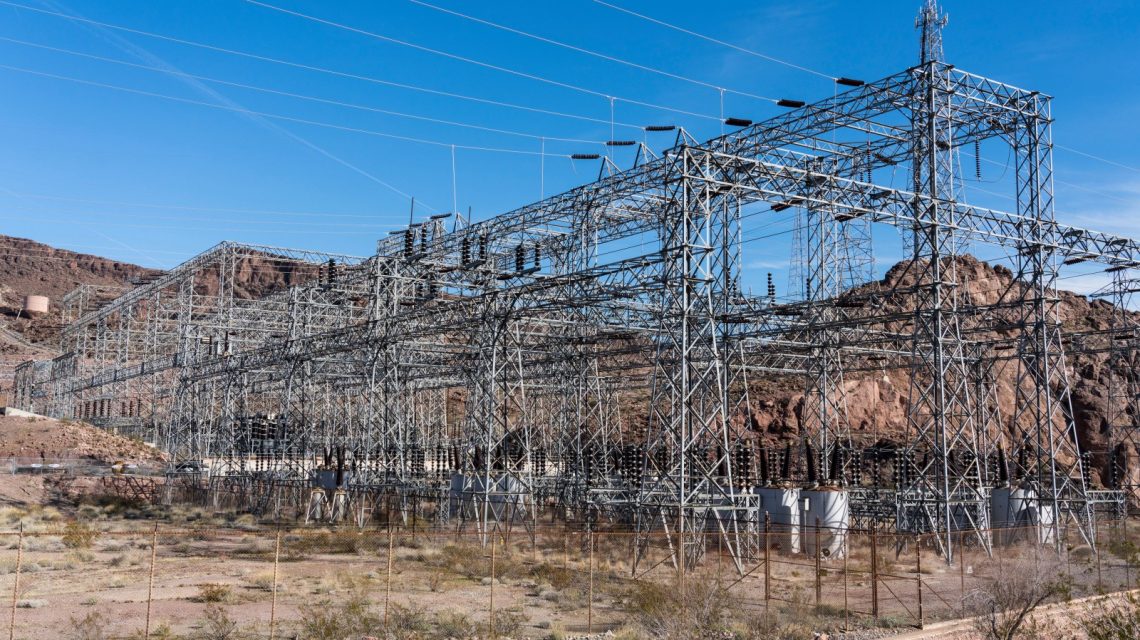
America’s power grid faces significant hurdles that could impede the delivery of electricity to homes and new data centers, according to a recent study. Researchers at Johns Hopkins University have identified potential shortages in transformers and other critical grid components, with these challenges potentially arising as early as 2027. By 2030, the study predicts acute shortages across the U.S.
Impact of Equipment Shortfall
A deficiency in essential equipment could delay the construction of new power plants, renewable energy projects, electric vehicle infrastructure, and AI data centers. Without sufficient transformers, connecting new electricity sources to the grid becomes a problem. Lead author Yury Dvorkin emphasized that the absence of these components prevents power plants and data centers from becoming operational. He explained that rising electricity demand is exacerbating existing vulnerabilities in the industry.
Consumers may face higher electricity bills and increased power outages due to these infrastructure bottlenecks. Dvorkin noted that Americans would experience the impact of transformer shortages in two main ways: through elevated electricity costs and decreased reliability of power supply.
Condition of Existing Transformers
Many transformers currently in use are several decades old and nearing the end of their operational life. These devices, though invisible to everyday users, are essential in the electricity supply chain, facilitating the flow of power from generation to consumption. Renewable energy and battery storage systems also depend on converters.
When transformers and converters are scarce, utilities must compete with other buyers, such as data centers, often paying a premium. This cost increase is eventually passed on to consumers. Consequently, the expense of producing and delivering electricity both rise.
The Role of Transformers
Transformers and converters are crucial to the energy infrastructure, moving electricity across transmission networks and ensuring its safe delivery to homes and businesses. A significant challenge noted in the research published in Cell Reports Sustainability is the difficulty in replacing these devices. Large transformers take years to manufacture, as they are typically custom-built from massive amounts of steel, copper, and other materials. Lead times have extended from approximately six months four years ago to over two years currently.
Under high-demand scenarios, the U.S. might face a 15 percent shortfall in transformers by 2030, with other grid components potentially experiencing shortages of up to 30 percent. With power demand forecasted to increase by 21 percent, these shortages could pose serious barriers to meeting electricity needs.
Influence of AI and Supply Chain Challenges
Researchers attribute two-thirds of expected equipment shortages to data centers, which consume large amounts of electricity to power AI systems. Some extensive data centers equate their power usage to that of a small country. The Lawrence Berkeley National Laboratory estimates data centers may consume nearly 12 percent of U.S. electricity by 2030.
International trade disruptions could further complicate the supply of essential materials like copper, steel, and nickel, on which transformer construction depends. Policymakers and utilities must plan for these potential shortages well in advance to prevent infrastructure barriers.
Finally, maintaining existing transformers in a stretched market increases costs for parts, repairs, and maintenance, with these costs inevitably passed to consumers. Rapid growth in electricity demand, particularly from data centers, stresses equipment. Aging transformers fail more frequently when pushed beyond their service life, and extreme weather events add pressure to an already vulnerable system, leading to more frequent and longer power outages.
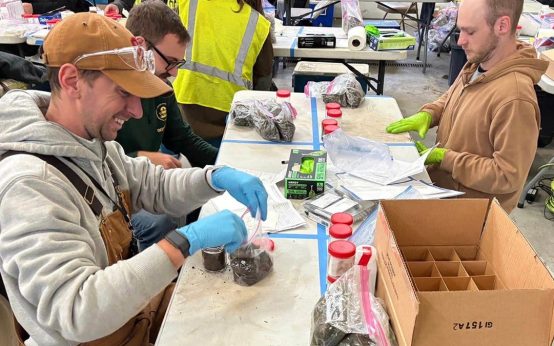 Lab Tests Show No Lead Contamination in Iowa Water After Detonation
 Snow Geese Migration: A Majestic Sight on Canadian Prairies
 Sharpie Marker Conceals Blade at Airport Screening
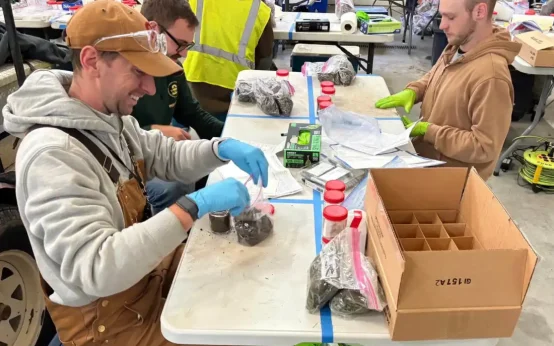 EPA Monitors Lead Azide Detonation Effects in Iowa
 Two Earthquakes Hit Central California
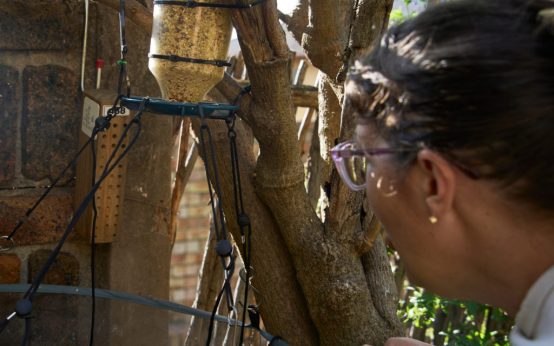 Exploring the World of Solitary Bees in Urban Environments