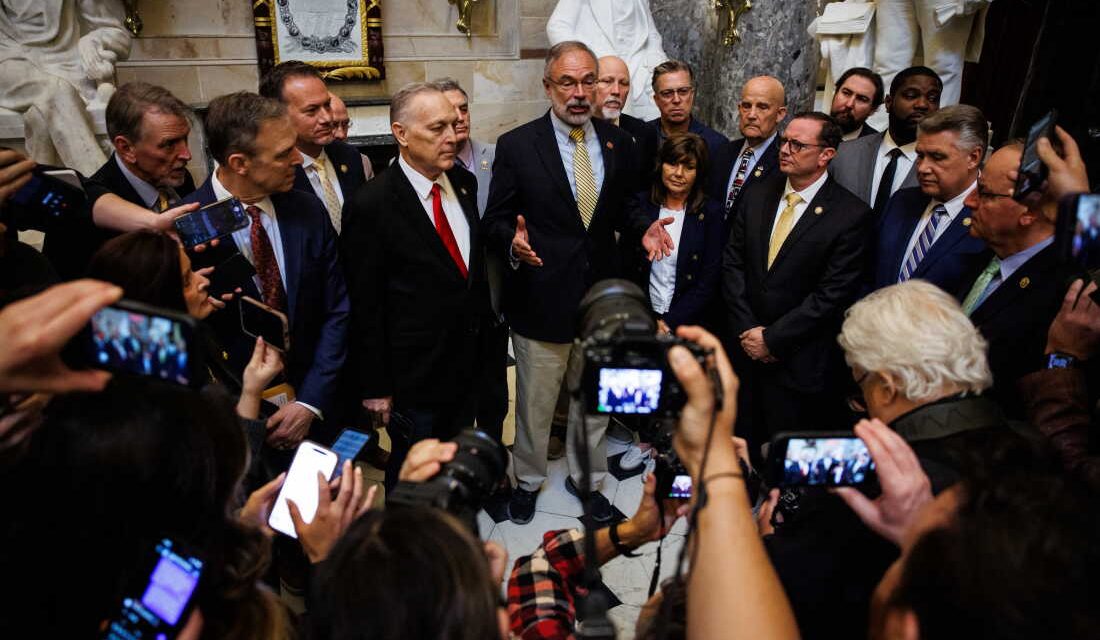
The House Freedom Caucus, a notable group of conservative lawmakers, is experiencing significant shifts with several members leaving Congress. The future direction of the caucus will be closely observed as it could play a role in shaping the Republican party’s ideological stance.
Since its formal establishment over ten years ago with the rise of Tea Party-aligned conservatives, the Freedom Caucus has consistently aimed to steer the Republican party towards more conservative social and fiscal policies. Although their specific legislative priorities have evolved alongside the broader Republican party, their influence remains strong.
President Trump has notably elevated members of the caucus to high-ranking positions in his administration. Founders Mick Mulvaney and Mark Meadows served as White House chiefs of staff, while John Fleming was Deputy Chief of Staff.
“We were MAGA before MAGA was cool.” — John Fleming
At least ten members from the current Congress will not return next term, and more might lose their seats in November. Despite predictions about the caucus’s decline, it has continued to maintain its presence in Washington.
One enduring principle of the caucus is advocating for rank-and-file lawmakers to play a crucial role in policy-making, often leading to tensions with Republican leadership. In their early days, members prioritized holding the executive branch accountable, especially under then-Speaker John Boehner.
Fleming recalls that the group formed amidst frustrations with how Congressman Boehner managed policies, highlighting differences in accountability across administrations. He notes a shift in priorities due to the alignment of the caucus’s beliefs with President Trump’s policies.
While most members supported significant legislation under Trump, there were moments of dissent, particularly concerning federal surveillance authority and expansive deficit legislation.
As some caucus members seek higher political offices with backing from Trump, figures like Andy Biggs, Byron Donalds, and Thomas Tiffany are running for governor positions across various states.
Though former Speaker Boehner described the caucus as chaotic, its members underscore different goals, pointing to dissatisfaction with traditional party procedures. Matt Salmon, another founding member, expressed frustration at leadership-driven decision-making excluding broader member input.
The group’s approach leverages parliamentary tactics to disrupt legislation, thereby pressuring Republican leadership to concede to policy changes. Members like Rep. Chip Roy emphasize their commitment to fulfilling promises.
Debate remains among alumni regarding the group’s ideological leanings within the party. Salmon criticizes the caucus’s current alignment with Trump as diminishing its original intentions of empowering congressional powers.
Matthew Green, an academic authority on congressional dynamics, highlights the tension between retaining influence and pursuing institutional goals. Prominent members like Jim Jordan maintain a strong presence by aligning with House leadership.
Outgoing members reflect on the caucus’s impact. Rep. Ralph Norman predicts beneficial changes by centering fiscal accountability. Norman anticipates fresh talent strengthening the caucus’s influence.
Fleming acknowledges the possibility of the caucus—and the broader Republican party—shifting direction if future political landscapes revert to a conventional approach.
Whether within or outside Congress, Roy assures continuous efforts to influence the political sphere, highlighting ongoing activities beyond current membership.
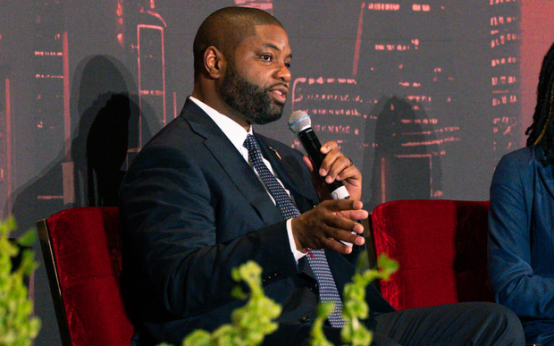 Byron Donalds Targets Black Voters in Florida Governor Race
  Brazil’s Presidential Race Heads to Runoff
 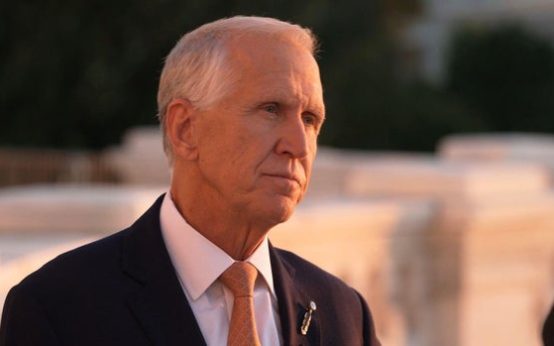 Sen. Thom Tillis Criticizes Trump’s Administration in New Book
 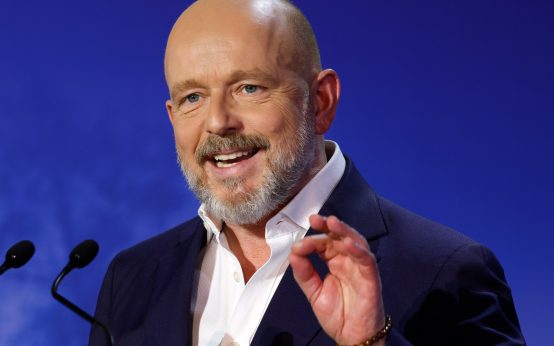 Controversy Surrounds Steve Hilton’s Campaign Ad Amid Gubernatorial Race
  Trump Calls for Probe into Alleged ‘Paid Protesters’
  Donald Trump Criticizes Fox News for Rally Coverage