After Illinois lawmakers did not pass a bill to help the Chicago Bears move to Arlington Heights, Chicago Mayor Brandon Johnson expressed openness to reconsider the city as a potential site for a new Bears stadium. Johnson showed tentative support for a legislative proposal that allows municipalities in Cook County with populations over 70,000 to create a stadium authority. This would permit the Bears to fund the stadium while making it publicly owned to avoid property taxes.
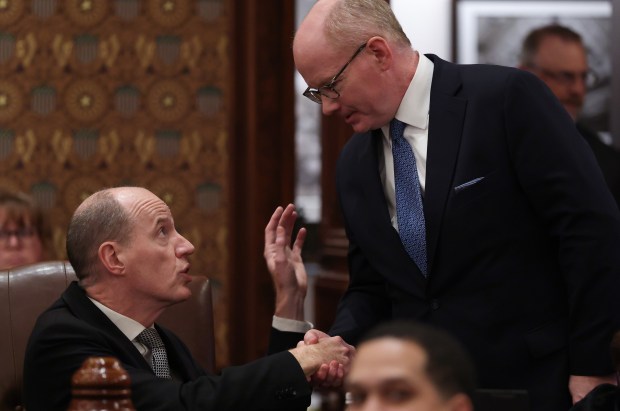
State Sen. Bill Cunningham introduced the bill, which was passed in the Illinois Senate on the last night of the spring legislative session. Cunningham was congratulated by Illinois Senate President Don Harmon after the bill’s passage. Mayor Johnson appreciated the proponents’ acknowledgment of public stadium ownership’s value and their desire to create a pathway for a new stadium in Chicago. However, he noted that questions remain about the design of the legislation. The strongest proposal centers on public ownership, utilizing a sports authority, and committing to public infrastructure.
The proposal was introduced towards the end of the legislative session, following a failed attempt to pass a proposal that would allow sponsors of large projects, like the Bears, to negotiate long-term property tax breaks with local bodies. The Senate approved the measure early Tuesday, but the House did not act, citing it as too rushed.
In 2024, Johnson and the Bears proposed replacing the team’s current home at Soldier Field with a new stadium. This plan included at least $1 billion in public borrowing and $1.5 billion for infrastructure but gained no traction after Governor J.B. Pritzker opposed taxpayer funding for the stadium. Johnson’s recent efforts to reconsider a city location met resistance, with Pritzker stating the mayor had no concrete plan.
Johnson believes the outcome vindicates his approach, arguing that Chicago’s 2024 plan relied on the Illinois Sports Facilities Authority and an existing 2% hotel tax to fund public infrastructure. This model, he says, reflects the principles ultimately centered in the legislative framework. The hotel tax currently pays for the 2003 renovation of Soldier Field, which is publicly owned and does not pay property taxes.
Arlington Heights Mayor Jim Tinaglia expressed disappointment at the failure to pass Bears legislation, labeling it a setback for the state. Tinaglia emphasized his commitment to community interests and continued planning for the site, which remains a significant redevelopment opportunity.
Scott Hagel, senior vice president of public and governmental affairs for the Chicago Bears, was present at the State Capitol during the legislative session. Fans hoping for the team’s relocation were disheartened by the inaction. Ernest Rose, from the Touchdown Arlington fan club, criticized the legislative process and expressed concerns about possible relocation to Indiana. The Bears had initially proposed buying Arlington International Racecourse in 2021 and finalized the purchase in 2023 to build an enclosed stadium.
Legislative leaders had not prioritized the project until Indiana lawmakers proposed a stadium deal in Hammond. The Bears stated they would finalize evaluations of both Arlington Heights and Hammond, adhering to their timeline.
House Democrats from Chicago opposed giving the team special breaks without reciprocal benefits. Rose hopes that House Speaker Emanuel “Chris” Welch and Senate President Don Harmon can draft a framework for fall legislation but remains uncertain about its prospects.
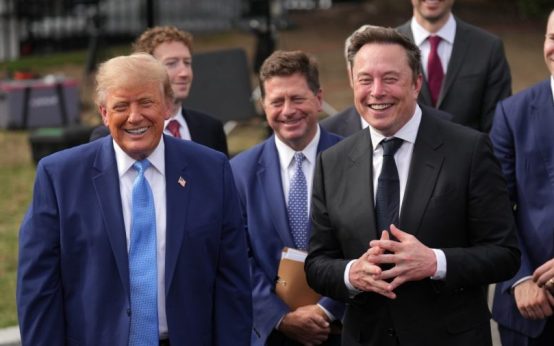 Trump’s 2024 Reelection and Evolving Voter Dynamics
  Defense Secretary Emerges as Key Player in the Trump Administration
  Hegseth’s Vision for the Military: Balancing Tradition and Innovation
 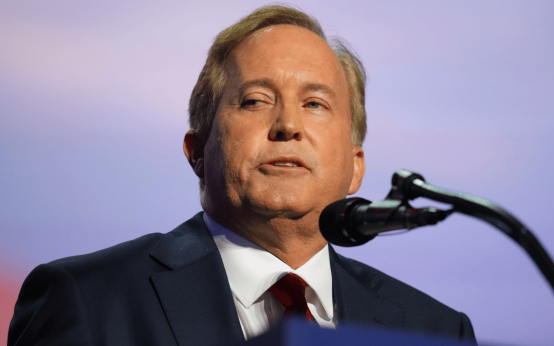 Significant Funding Boosts Ken Paxton’s Texas Senate Campaign Amid Tight Race
 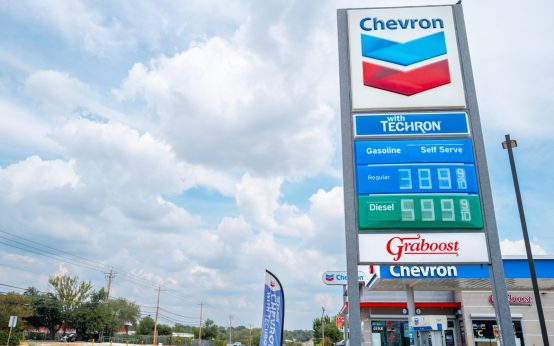 U.S. States Extend Gas Tax Waivers Amid Rising Fuel Costs Due to Iran Conflict
  USCIS Raises Immigration Fees