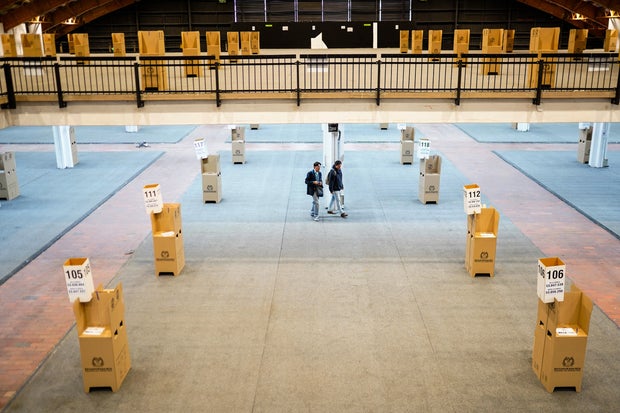
Millions of Colombians are preparing to vote in a crucial presidential election, anticipated to lead to a runoff between two distinctly different candidates. While a new president could be chosen, none of the candidates are expected to surpass the 50% required to win in the first round. A runoff between the top two candidates is likely on June 21.
The election has narrowed down to three main contenders, though two are taking the lead. Senator Iván Cepeda represents the ruling Pacto Histórico party, carrying on President Gustavo Petro’s policies. Lawyer Abelardo de la Espriella, a right-wing candidate, mirrors the rhetoric of President Trump and El Salvador’s Nayib Bukele. Meanwhile, Senator Paloma Valencia, supported by former President Álvaro Uribe, stands as a center-right candidate.
An AtlasIntel poll from last week, based on 4,531 interviews, shows Cepeda slightly leading the first round with 38.7% compared to de la Espriella’s 37.3%, both significantly ahead of Valencia’s 14.3%. Sergio Fajardo, the moderate candidate and former mayor of Medellin, trails notably. The poll indicates that either de la Espriella or Valencia could defeat Cepeda in a potential runoff.
Colombians will vote on a vision to end violence
Colombia is highly polarized and seeks change. Low-income families near coca fields, used for cocaine production, have experienced dangerous conditions due to failed peace talks. Human rights groups have reported more than 50 massacres this year, including deadly clashes between guerilla factions. Studies indicate that Petro’s negotiation strategies have expanded criminal groups.
The campaign has seen violence, including a candidate’s assassination, bombings, kidnappings, and local political leaders’ deaths. Security ranks high among voter concerns, following healthcare. The foremost candidates propose varied approaches to improving security.
De la Espriella is recognized for bold campaign events and adopts a confrontational approach. He suggests bombing traffickers’ camps, ceasing talks with traffickers, and constructing maximum-security prisons. He aims to resume aerial fumigation of coca with glyphosate, targeting aircraft and boats involved in drug transport.
Iván Cepeda adopts policies like those of Petro, advocating negotiations with guerrillas and cartels. Although accused of FARC ties, he denies these claims. Daniel Mejía, a drug policy professor, describes Cepeda as lenient towards both coca cultivation and criminal groups.
Valencia suggests increasing ground troops and drone monitoring, along with restarting coca fumigation. Criticizing de la Espriella, she opts for a balanced strategy, being lenient towards farmers but tough on traffickers.
Economic and Security Concerns
Crime isn’t the sole issue driving voters. Business owners affected by significant minimum wage hikes await potential policy changes. Voter security is a concern, with armed groups intimidating voters in rural areas.
Colombia’s primary drug lord issued threats against the election, targeting right-leaning hardliners. Last week, Cepeda condemned armed groups attempting to sway voters.
Jose Antonio Ocampo, Colombia’s former finance minister, noted Trump’s inclination to secure support from right-wing governments. Historically, Colombia has been crucial to the U.S. in counternarcotics and trade. Relations soured under Petro, leading to visa withdrawal and Treasury sanctions against him.
United Nations estimates suggest Colombia’s cocaine production reached unprecedented levels, despite Petro claiming record seizures. In 2025, Trump criticized Colombia’s drug control efforts but tensions eased after a meeting with Petro.
Senator Bernie Moreno highlighted the significance of the election in determining Colombia’s direction and its broader impact on Latin America.
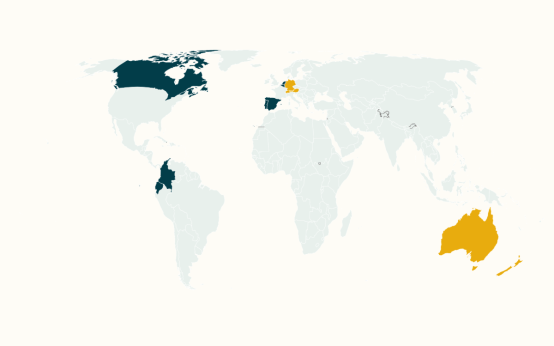 Dutch Review Board’s Euthanasia Ruling and International Debate
 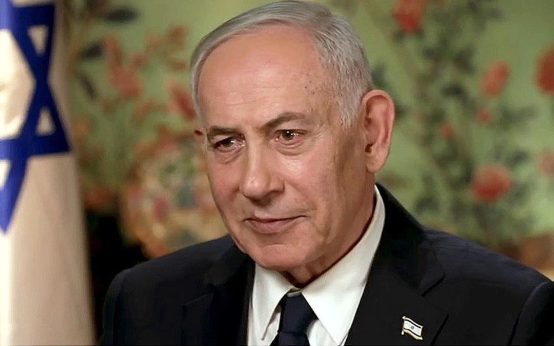 Israeli PM Commends Heroic Actions in Flight Emergency
 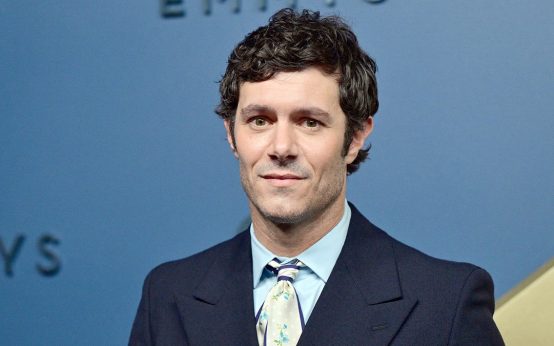 Rabbi and Jewish Leaders Criticize Adam Brody for ‘Genocide’ Comment
  Flydubai’s Emergency Landing Highlights Cockpit Security
 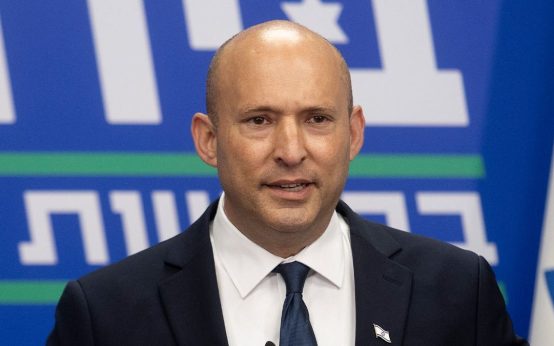 Former Israeli PM Naftali Bennett Commends Passengers and Crew for In-Flight Heroism
 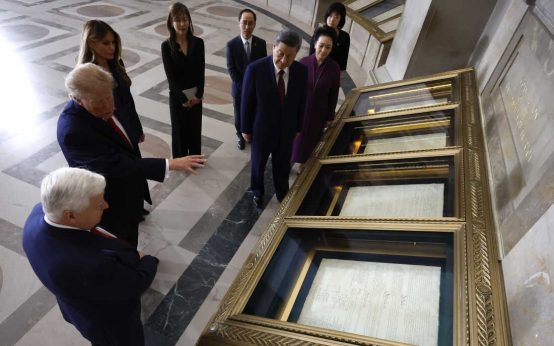 Diplomatic Complexities Unfold at U.S. National Archives Visit