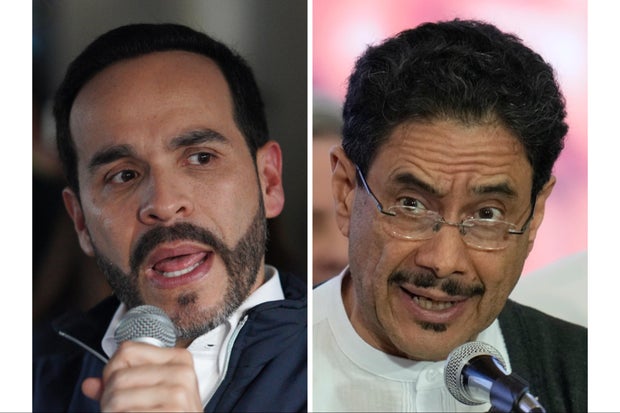
Colombia is set for a critical runoff election on Sunday, offering voters a choice between a progressive candidate and a conservative outsider. The election comes amid concerns of renewed internal conflict in a politically divided nation.
Voter Concerns and Candidate Profiles
Lawyer John Manrique, from Bogota, expressed concerns about the polarization in Colombia, with extreme political views at opposite ends. He hopes for peaceful acceptance of the election outcome.
Over 41 million Colombians are registered to vote. The two main candidates are Iván Cepeda, a far-left senator from the ruling Pacto Histórico party, and Abelardo de la Espriella, a far-right lawyer with endorsements similar to those of former U.S. President Trump and El Salvador’s leader, Nayib Bukele.
Strategies to Combat Violence
Both candidates aim to protect Colombia from past violence, such as bombings and kidnappings. De la Espriella promotes a strong hand approach, earning Trump’s endorsement. His approach is criticized for possible political violence if implemented.
Cepeda plans to continue President Gustavo Petro’s dialogue with illegal armed groups, although prior efforts have struggled. Both candidates also address issues like health care, public debt, and corruption.
Election Dynamics
In the first voting round, Cepeda received 41% of votes, while de la Espriella secured 44%. Petro raised doubts about the results, pointing to Cepeda’s previous lead in polls.
The election follows ten years after a peace pact with FARC rebels that aimed to end ongoing conflict. Violence has escalated again with crime rising amid drug trafficking.
Violence and Security Proposals
Recent statistics show rising homicides and extortion rates. De la Espriella, dubbed “The Tiger,” proposes tough actions against criminals, including building large prisons similar to Bukele’s policies in El Salvador.
Cepeda continues to back Petro’s initiative for “total peace,” negotiating with guerrillas and gangs, despite its slow implementation. A small group has started disarming and reintegrating into civilian life.
Public Opinion and Election Tensions
With Colombia’s illegal groups numbering over 27,000 members, some citizens, like retired teacher Yamile Guevara, believe Petro’s plans need more time. They argue against the longstanding suspicion of the left due to historical ties with rebels.
The election buildup includes verbal attacks and allegations of fraud and vote tampering. Cepeda accused de la Espriella of links to paramilitary groups, a claim he denies.
The outcome of this election is pivotal for Colombia’s future direction and its international relations.
 Activists Push for Nationwide Ban on Child Marriage in the U.S.
 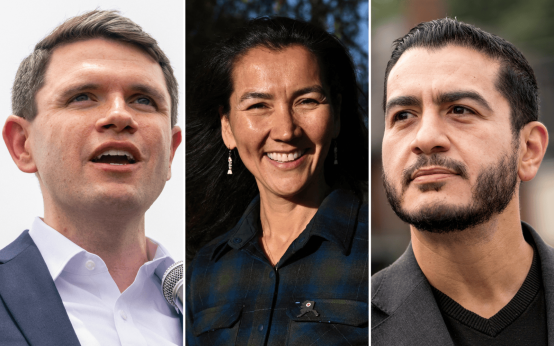 Democratic Hopes and Historical Warnings in 2026 Senate Race
  Republicans Face Challenges Amidst Cost of Living Concerns
 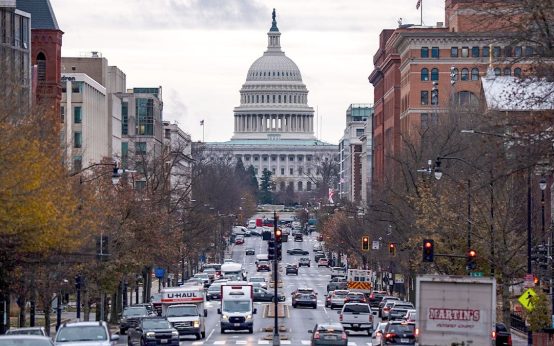 A Different Kind of Fall for Congress This Year
 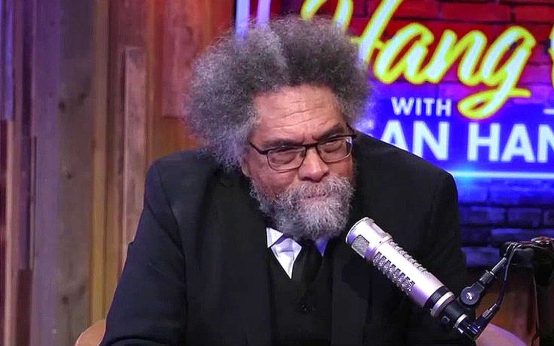 Cornel West and Sean Hannity Discuss Differences on Podcast
  Trump Unveils AI-Powered America.gov Platform